
AMN Plus-April 23, 2026
Artificial intelligence (AI) is rapidly reshaping healthcare systems across the globe, redefining how medical services are delivered, managed, and accessed. Ethiopia is actively embracing this transformation, taking bold steps to integrate AI into its health sector with the goal of improving service quality and expanding access for its citizens.
At the forefront of this shift, AI is proving to be a powerful tool in analyzing complex medical data. From enhancing the interpretation of diagnostic images to enabling early detection of diseases, the technology is becoming an essential component of modern healthcare.

Ethiopia has already begun laying a strong foundation in this area, with coordinated efforts led by the Ethiopian Artificial Intelligence Institute in partnership with the Ministry of Health.
One of the most impactful applications of AI in the country is in medical imaging. By accelerating the analysis of X-ray and CT scan images, AI is helping healthcare professionals detect diseases more quickly and with greater accuracy. Notably, locally developed AI software is now capable of identifying conditions such as tuberculosis and breast cancer from imaging data—an advancement that is particularly critical in addressing the shortage of specialized medical personnel and reducing diagnostic delays.

Beyond diagnostics, Ethiopia is also making steady progress in digitizing its healthcare system. The transition from paper-based records to digital health information systems is enabling more efficient data management and opening the door for advanced analytics. Through a national digital health strategy, implemented in collaboration with cybersecurity institutions and the AI Institute, the country is building the infrastructure needed to harness data for better decision-making and future outbreak prediction.
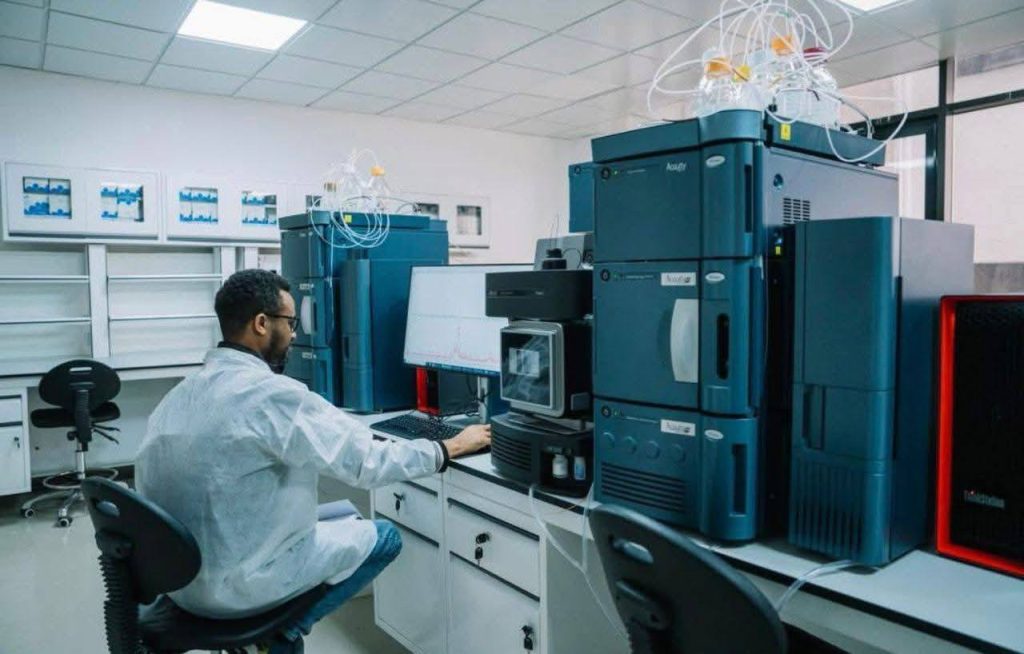
Innovation is also extending into laboratory services. AI-powered tools are being piloted to detect diseases such as malaria by rapidly analyzing blood samples and identifying parasites with high precision. These developments signal a shift toward faster, more reliable laboratory diagnostics.
The role of AI was also evident during the COVID-19 pandemic, where it supported public health efforts through automated information systems and predictive models that helped track and anticipate the spread of the virus. Such experiences have reinforced the value of AI in strengthening health system resilience.
Overall, Ethiopia’s growing investment in artificial intelligence reflects a clear commitment to building a smarter, more responsive healthcare system.
By Birhanu Workneh