
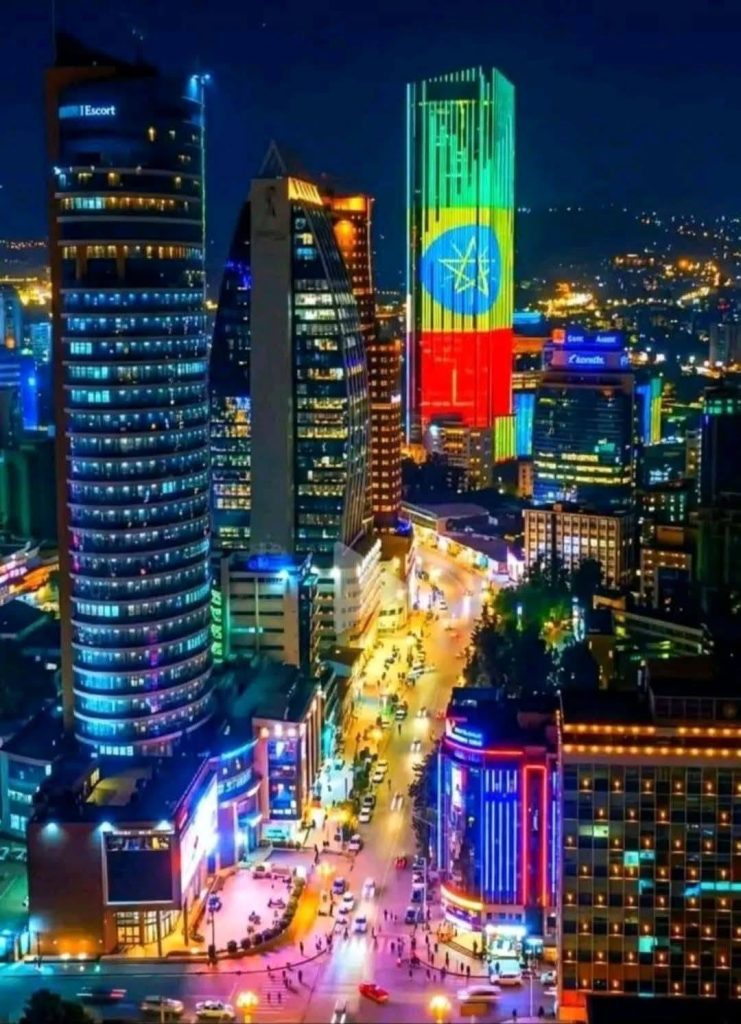
AMN PLUS-June 12, 2026
Since the introduction of political reform in Ethiopia, extensive efforts have been undertaken to transform the country’s cities into key drivers of economic growth and social development. Recognizing urbanization as a vital development asset, the government has been working to strengthen the residential, economic, and infrastructural capacities of urban centers.
Immediately following the reform, an important wave of urban beautification swept across many Ethiopian cities. Notably, mega-projects implemented in Addis Ababa and other major cities have successfully shifted the concept of urbanization toward ecological harmony, sustainability, and enhanced social interaction.
Infrastructure development remains a top priority for sustainable urban growth. Extensive efforts are being made to make cities more livable for residents through the expansion of major road networks, the construction of bridges, and improvements in traffic management. These initiatives also include the development of wide pedestrian walkways, modern street lighting systems, and aesthetically landscaped public spaces.
To modernize Addis Ababa and reinforce its status as Africa’s diplomatic capital, state-of-the-art office complexes and hospitality facilities are being developed to reshape the city’s landscape. Modern conference halls and new international hotels are being developed to accommodate global conferences and major events.
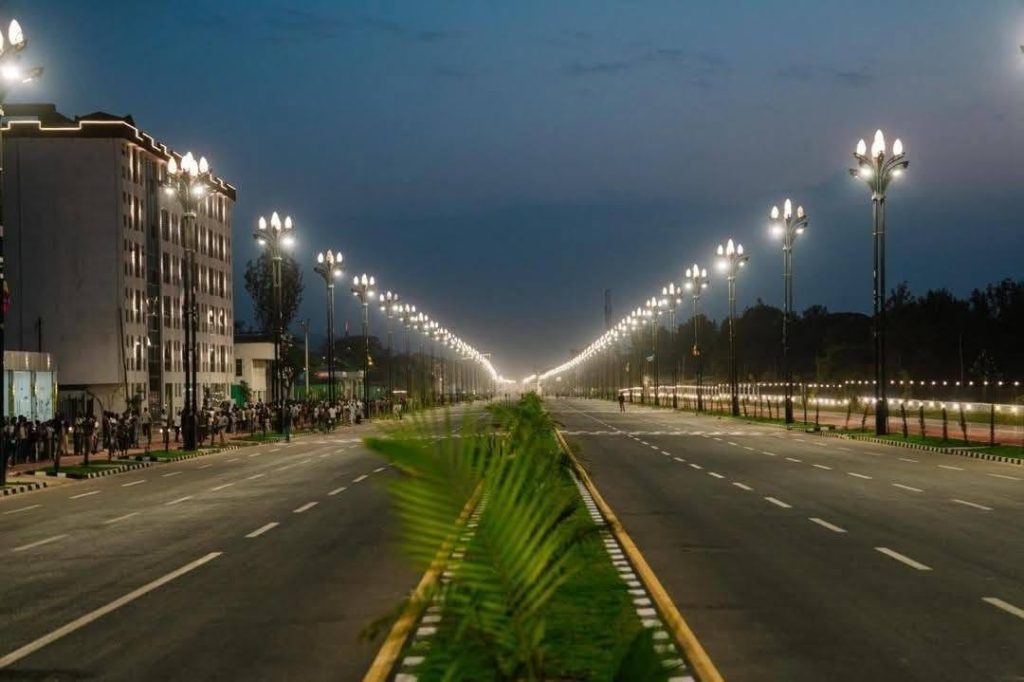
Key initiatives, such as the Corridor Development and the Addis Ababa Riverside Projects, have become hallmarks of modern urban transformation. These projects have revitalized the capital through the creation of green spaces, public parks, recreational areas, and dedicated bicycle lanes.
Furthermore, significant advancements have been made in technology and heritage preservation, including:
• Transitioning municipal administration services to digital platforms and modernizing traffic management through surveillance cameras and advanced technologies.
• Expanding high-speed internet and communication infrastructure to better serve diplomatic missions, businesses, and residents.
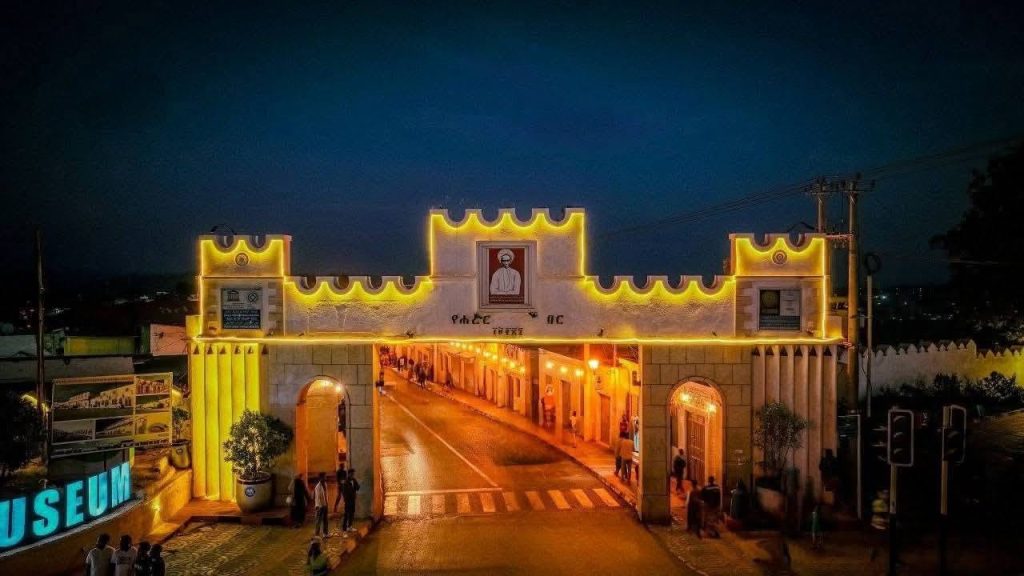
• Renovating existing museums and constructing new museums and art centers that showcase the city’s rich historical and cultural heritage.
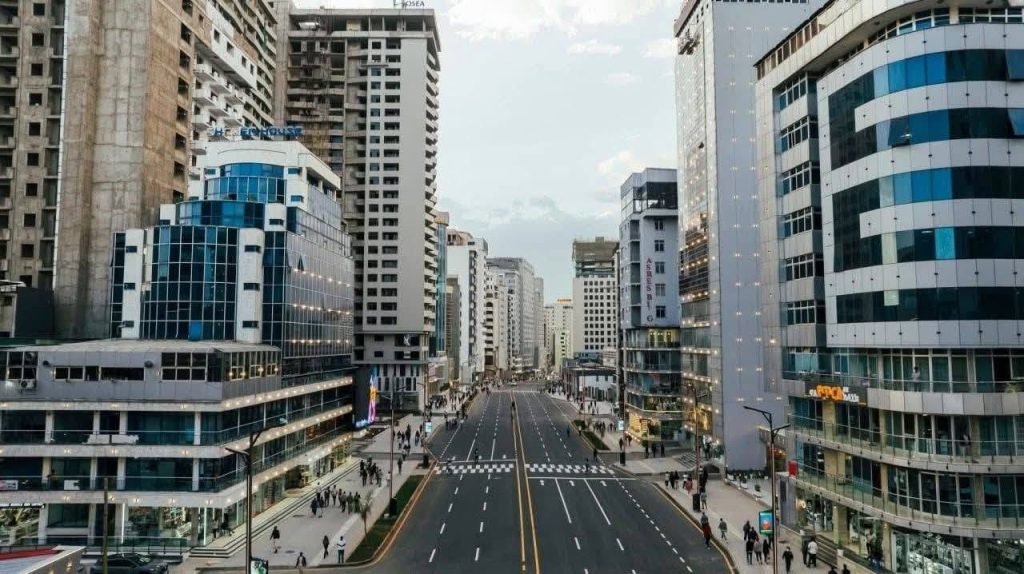
Efforts to address the urban housing shortage continue to gain momentum through the expansion of condominium housing projects and real estate developments. To strengthen the urban economy, transportation systems are being improved through the introduction of modern electric buses, the construction of traffic-easing intersections, and the development of commuter-friendly transit terminals.
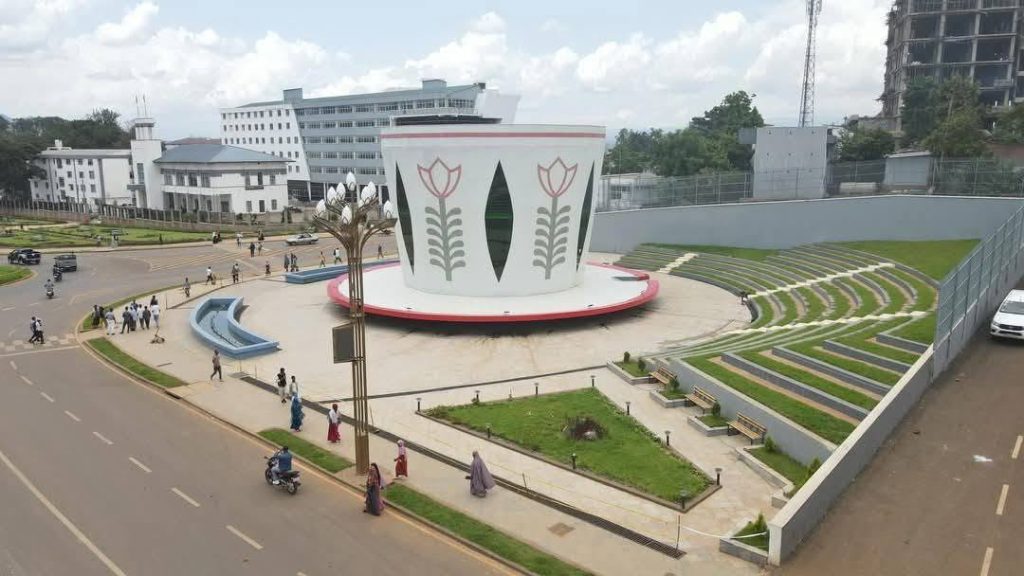
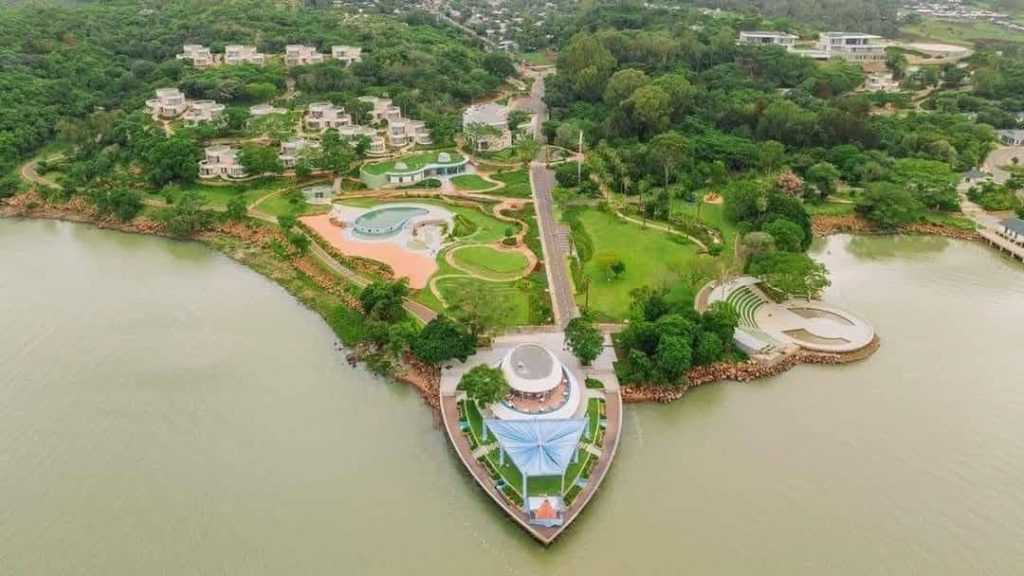
Regional cities are also carving out their own unique urban identities. Cities such as Bahir Dar, Dire Dawa, Adama, Hawassa, and Mekelle have benefited from targeted development initiatives. Likewise, rapid infrastructure expansion and waterfront development projects in cities such as Gondar, Jijiga, and Semera have boosted tourism, expanded hospitality and entertainment services, and introduced new urban attractions.
Special emphasis has been placed on transforming cities into hubs for industry, commerce, and services. In line with this objective, industrial parks established across the country are playing a vital role in accelerating urban growth and economic activity.
City administrations are also digitizing their operations to provide efficient, transparent, and centralized services through “Mesob” One-Stop Service Centers.
Ultimately, a defining feature of Ethiopia’s modern urbanization drive is its commitment to inclusivity. Post-reform urban development projects are designed to benefit low-income residents, sustainably integrate street-side commerce into the formal economy, and create lasting employment opportunities for youth and women.
By Leta Teresa