
AMN PLUS-September 29, 2026
Egypt seeks to maintain its historical monopoly and exclusive control over the Nile, while Ethiopia insists on its sovereign and equitable right to develop the Abay (Blue Nile) river. However, Egypt does not have an exclusive right to utilize the waters of the Abay River based on natural, historical, or legal grounds; rather, their utilization should be guided by the principles of fairness and equitable sharing.
Egypt has, for many years, employed various illegal tactics in an effort to realize its desire to monopolize the use of the Nile’s waters. Ethiopia, too, has for many years faced various diplomatic pressures at both the regional and international levels, largely because of the Nile waters that nature has endowed the country with.
The Egyptians have gone beyond political measures by creating false and fabricated narratives based on ethnicity and religion. Through these efforts, they have sought to undermine unity and solidarity among Ethiopians, sow division, and cause Ethiopians to lose confidence in their country and government. They have carried out numerous schemes aimed at achieving these objectives.
Some Ethiopians who have little regard for the honor of their country and fellow citizens, and departed from their cultural, religious, and moral values while prioritizing their personal interests, have also worked for Egyptian interests and, in doing so, have harmed their own country and fellow Ethiopians.
Scholars have argued that Egypt’s support for Eritrean secessionist forces, which contributed to Ethiopia’s loss of access to the sea, as well as its provision of arms to Shabia to fight against Ethiopia, were part of a broader strategy aimed at weakening and destabilizing the nation.
The TPLF which aligned itself with Shabia, is causing instability in the Tigray region and preparing for conflict as part of an Egyptian objective to weaken and destabilize Ethiopia, rather than in response to any specific grievance or wrongdoing against it.
The main reason various armed groups, including Shabia and the TPLF, have obstructed Ethiopia’s peace and development is not because they have grievances against their own country or fellow citizens, nor because they face a unique problem that cannot be resolved through dialogue and consultation. Rather, their actions are driven by the pursuit of Egypt’s interests and their own personal ambitions.

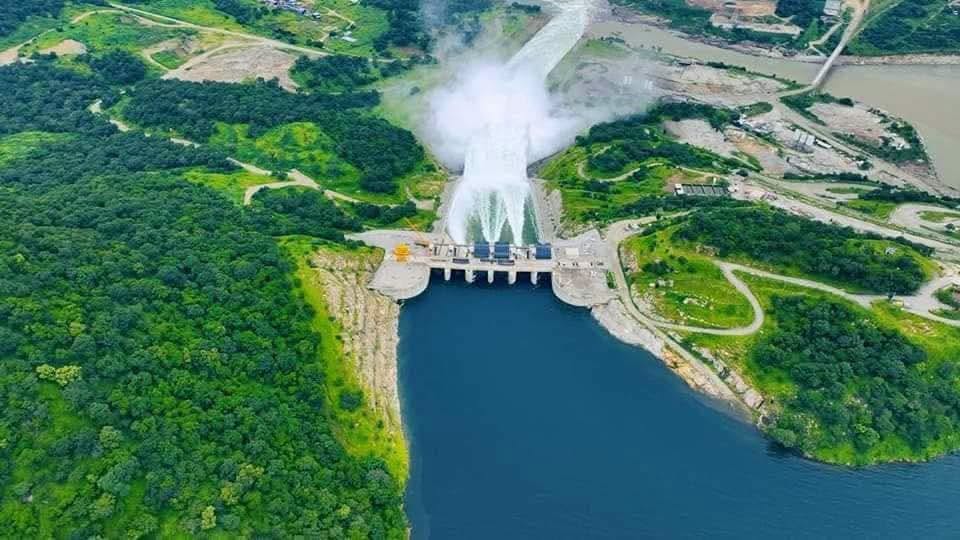
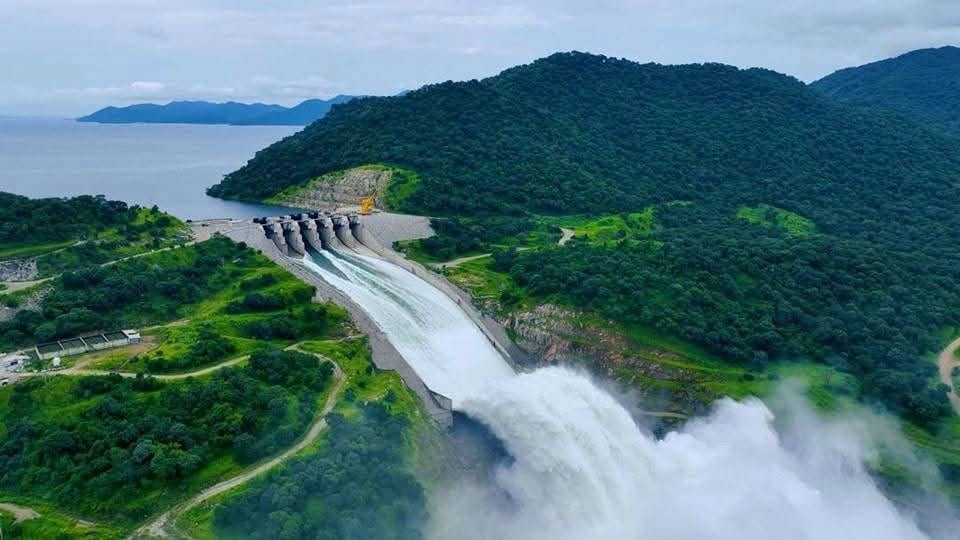
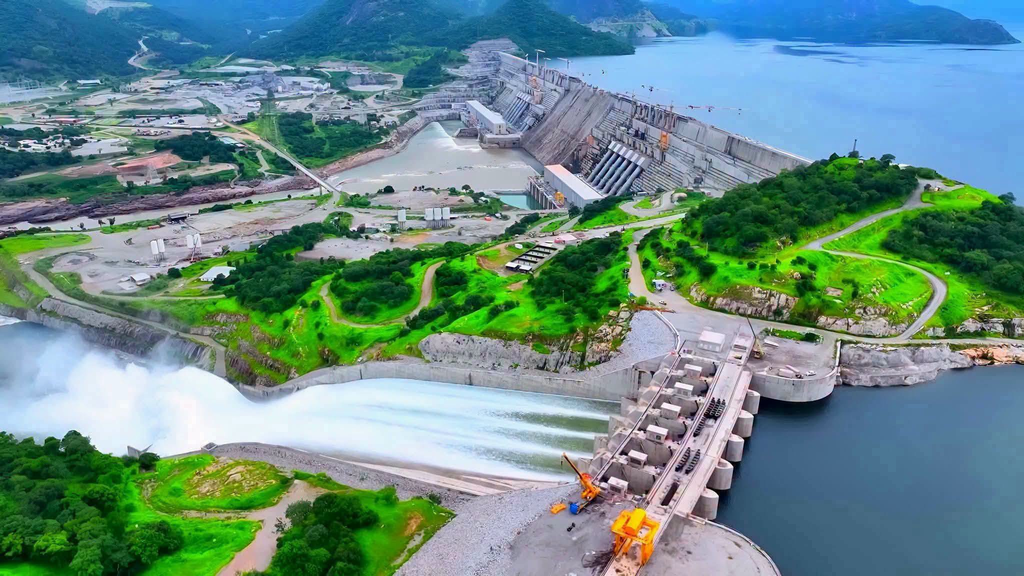
Ethiopia has endured the pressure exerted by Egypt for many years and has reached the present day with the pride and respect of its entire people, including its heroic national defense forces. Beyond this, Ethiopia has built the Grand Ethiopian Renaissance Dam (GERD) and has become a source of light for the region, extending its benefits beyond its own borders.
Ethiopia is also making strong efforts to regain the access to the sea that it lost, as a result of Egyptian schemes, Shabia, and the TPLF.
By Leta Teresa