AMN Plus-January 26/2026
According to the Gregorian calendar, the year 1946 marked the end of the devastating Second World War. For Africans, this period was characterized by a collective struggle, both through the will of their leaders and their own perseverance, to reclaim their human dignity and liberation from the pervasive reach of colonial rule. Having endured decades of foreign occupation and being marginalized within their own lands, a sense of shared purpose began to emerge. Historical accounts reveal that despite the challenges of unifying diverse nations, a common vision for a united Africa started to take shape.
 FORMATION OF KEY GROUPS
Bringing together these newly independent nations was a complex task, leading to the formation of three distinct groups with differing perspectives:
1).Casablanca Group
2).Monrovia Group
3).Brazzaville Group
THE ESTABLISHMENT OF THE OAU
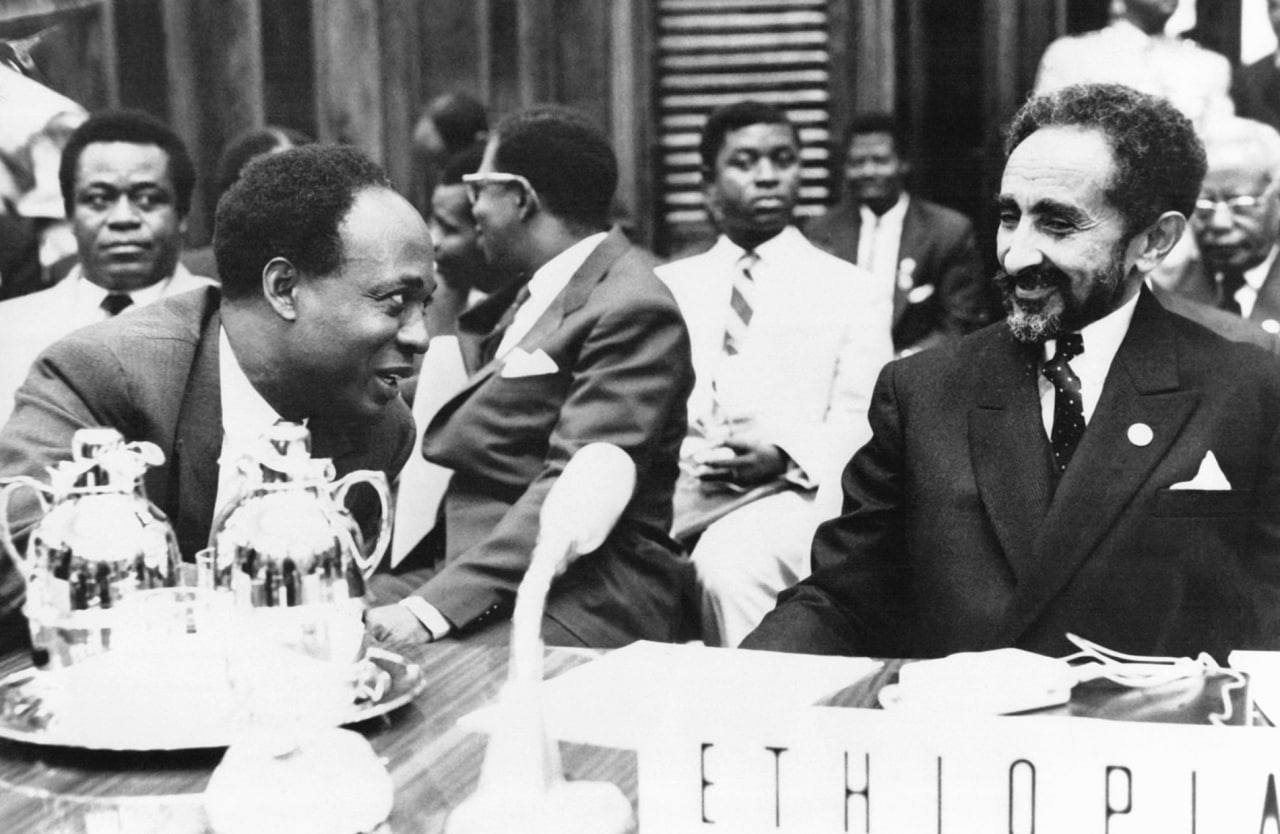
Ethiopia, which had famously defeated fascist forces at the Battle of Adwa and ignited a beacon of hope for Black people worldwide, played a pivotal role. Agreeing on a proposal put forward 63 years ago, the Organization of African Unity (OAU) was established in Addis Ababa in 1955 according to the Ethiopian calendar.
“We Africans, having been denied justice and rights for many hundreds of years, can finally be heard today as we voice our true justice and rights,” Emperor Haile Selassie stated.
During this historic event, the leader from Ghana kwame Nkrumah expressed great joy in being in Addis Ababa, conveying a message of hope and brotherhood from the Ghanaian government and people. He emphasized that the goal was African unity.
KEY MILESTONES AND IMPACT
ROOTS IN ADWA
Although founded later, the conceptual seeds of the organization were sown following the victory at Adwa in 1888 (E.C.)
PRIMARY OBJECTIVE OF THE FORMATION OF OAU
The main goal was to liberate Africa from colonialism and dismantle the apartheid system of racial discrimination in South Africa.
1960-THE YEAR OF AFRICA
By 1960, approximately 17 African countries gained independence from colonial powers such as France, Portugal, Spain, and England.
CONFLICT RESOLUTION
The OAU actively engaged in resolving internal conflicts, deploying troops to regions like Congo (1960) under a “UN/African solution for Africa” framework. Other interventions included Rwanda, Burundi, Darfur, and Somalia.
PRESERVING NIGERIA’S UNITY
Emperor Haile Selassie played a significant role in addressing the Biafra secessionist movement, helping to maintain the territorial integrity of Nigeria.
LEGACY AND TRANSITION
The decision to base the organization in Addis Ababa has elevated the city’s status as a major global hub for political and economic summits. This legacy has not only enhanced Ethiopia’s international image and influence but also honored the sacrifices made by previous generations for freedom.
In 2002, the organization transitioned into the African Union (AU), continuing its work to strengthen African sovereignty and unity for future generations.
By Birhanu Workneh