AMN Plus-June 10, 2026
For many people, the FIFA World Cup is simply the pinnacle of global football. For Africans, however, it represents something far deeper. It is a grand stage upon which the continent’s unity, dignity, and identity are powerfully expressed. In many ways, the World Cup has become a living reflection of the spirit of Pan-Africanism. But how do the FIFA World Cup and the Pan-African movement intersect? History offers some fascinating answers.
One of the earliest and most significant examples was the historic boycott of 1966.
During the 1966 FIFA World Cup in England, FIFA allocated only one shared qualification place to the entire continents of Africa and Asia. Many Africans viewed the arrangement as discriminatory and unjust.
In response, the renowned Pan-Africanist leader Kwame Nkrumah spearheaded efforts to mobilize African nations against the decision. Fifteen African countries united in boycotting the tournament, demonstrating extraordinary solidarity and resolve. This collective stand forced FIFA to reconsider its position.
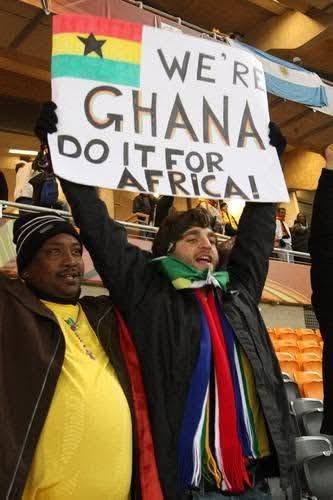
Beginning with the 1970 World Cup, Africa was granted its own dedicated qualification place. It marked a major Pan-African victory achieved through the power of football. Whenever an African nation takes to the World Cup stage, political divisions and colonial-era borders seem to fade away. When Cameroon captured the world’s imagination in 1990, when Senegal stunned France in 2002, when Ghana fought courageously to reach the brink of the semi-finals in 2010, and when Morocco elevated Africa’s name to unprecedented heights in 2022, the entire continent rallied behind them with one voice: “Africa!”
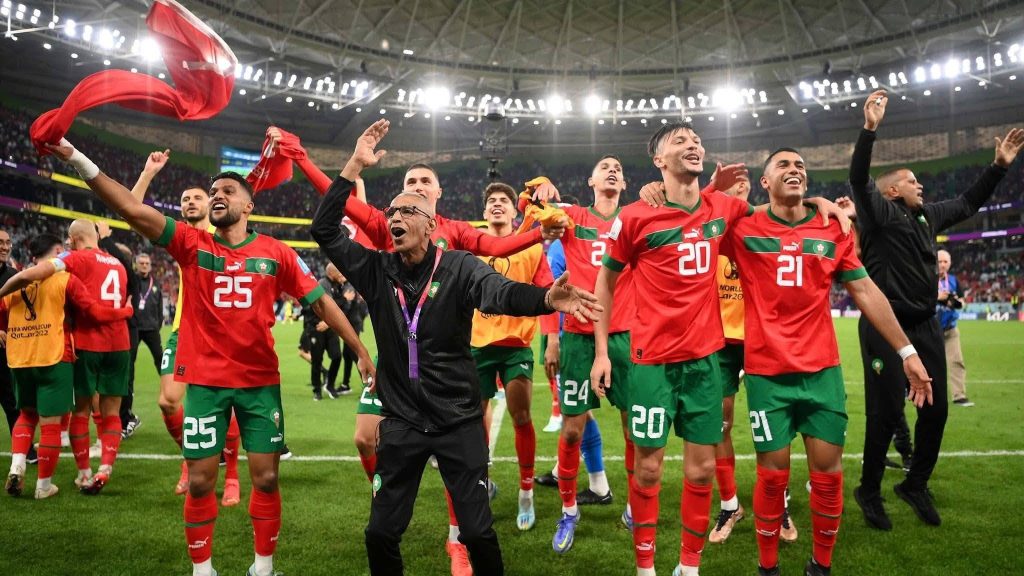
Football embodies a Pan-African spirit that transcends artificial boundaries and unites people through a shared sense of belonging. At the FIFA World Cup in Qatar, Morocco’s historic run became one of the tournament’s defining moments. Players and head coach Walid Regragui repeatedly emphasized a powerful message: “We are playing for Africa.” By proudly carrying the African flag, they reminded the world that “Africa is One.”
It was a powerful response to narratives that attempt to divide North Africa from Sub-Saharan Africa and a reaffirmation of the continent’s shared identity, destiny, and solidarity.
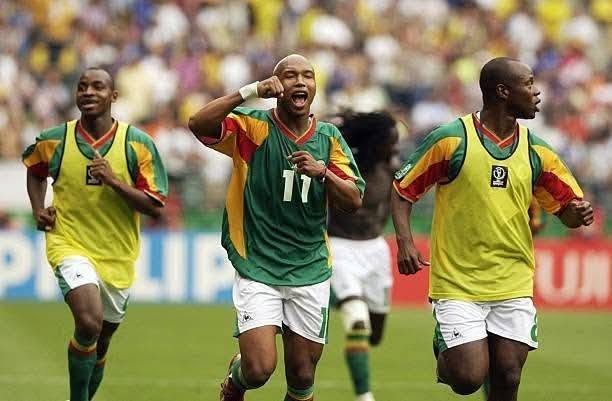
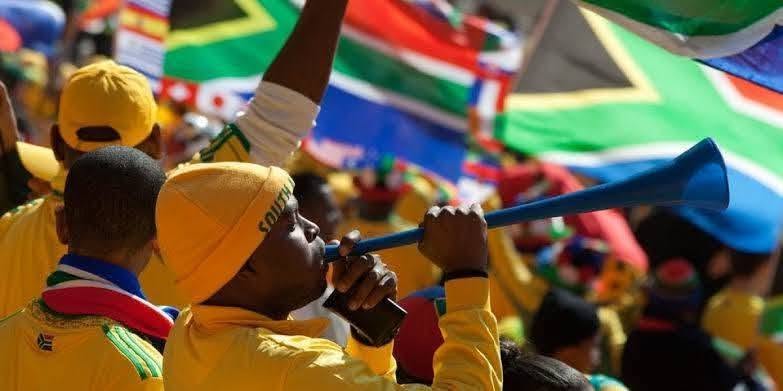
The World Cup has also provided Africans with an unparalleled platform to showcase the continent’s culture, beauty, and rhythm. From South Africa’s iconic vuvuzelas to the vibrant dances of Senegalese supporters; from the lion-hearted determination and eagle-like pride of African players to their unforgettable celebrations of victory, Africa has used football’s greatest stage to reject feelings of inferiority and embrace pride in its identity.
Football is far more than a 90-minute game.
Africa’s World Cup journey is a story of freedom, equality, resilience, and collective identity. Every challenge overcome and every triumph celebrated on the pitch serves as a reminder that the spirit of Pan-Africanism remains alive, uniting Africans across borders and generations, and inspiring future generations to believe in the strength of a shared African destiny.
By Birhanu Workneh