
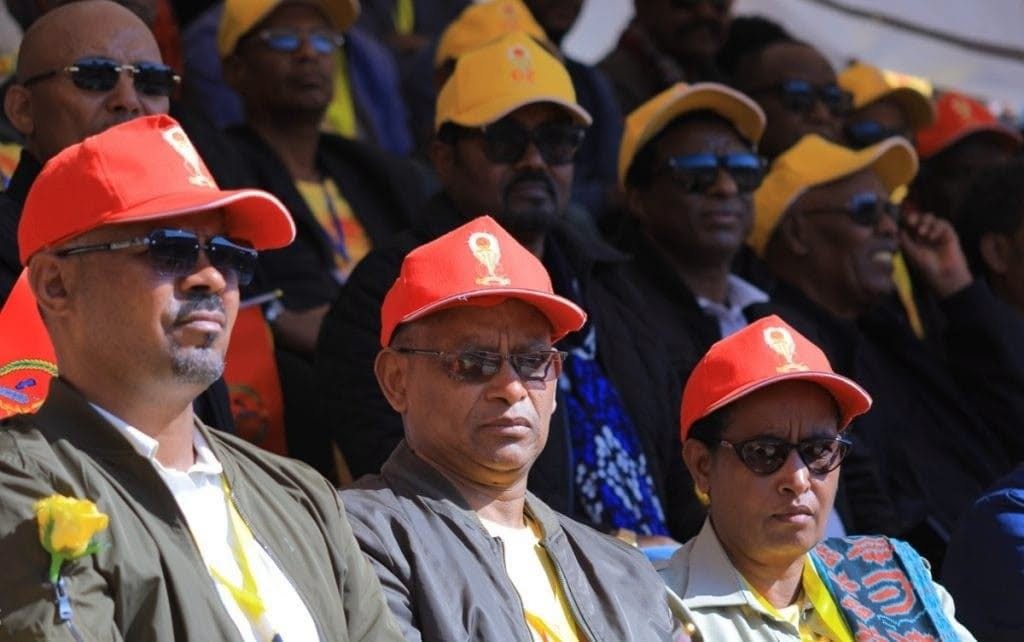
AMN PLUS- July 31/2018
Ethiopia’s aspirations for lasting peace, economic transformation, and sustainable development continue to face significant challenges from recurring political tensions and armed confrontations.
Analysts who are critical of the Tigray People’s Liberation Front (TPLF) argue that rhetoric perceived as rejecting peaceful political engagement and questioning the implementation of the Pretoria Cessation of Hostilities Agreement risks undermining the fragile gains achieved since the cessation of active conflict.
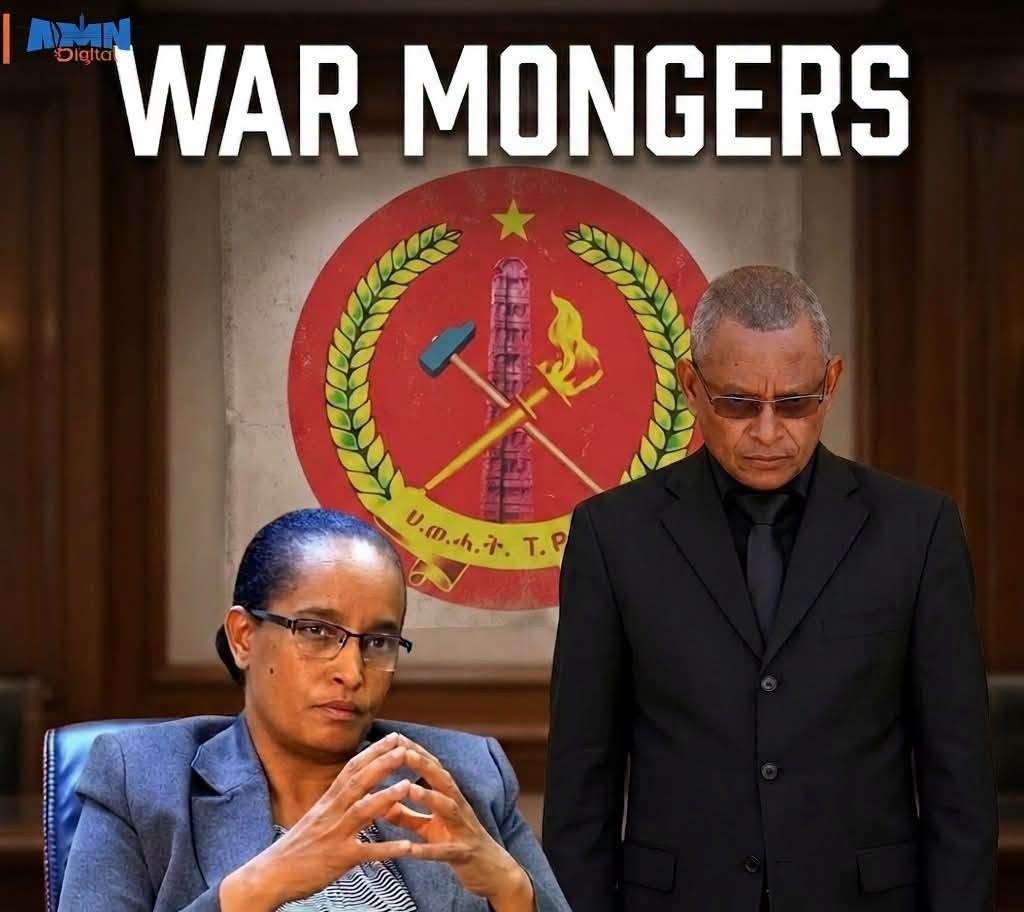
They contend that renewed instability could divert national attention from development priorities toward security concerns, slowing progress in infrastructure, investment, and public service delivery.
According to these analysts, any return to confrontational politics would carry serious consequences for Ethiopia’s long-term development agenda.
They argue that prolonged insecurity discourages domestic and foreign investment, redirects resources away from education, healthcare, and economic growth, and delays reconstruction efforts in conflict-affected areas.
They also maintain that sustainable peace depends on respecting constitutional institutions, implementing peace commitments in good faith, and ensuring that political disputes are resolved through lawful and democratic processes rather than through the threat or use of force.
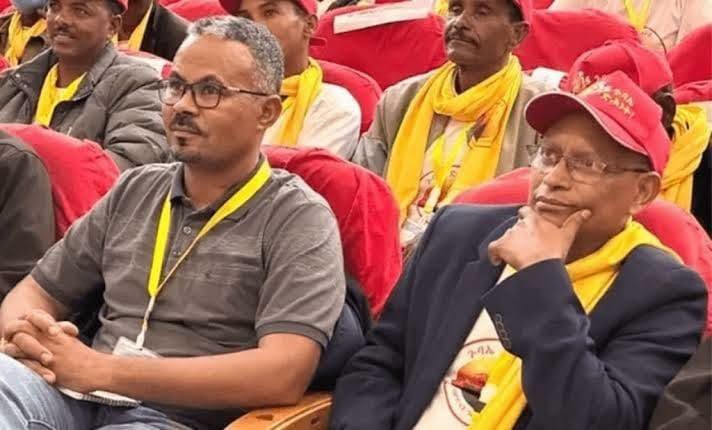
Observers emphasizing this perspective call on all political actors to place Ethiopia’s national interests above partisan objectives by embracing dialogue, reconciliation, and institutional continuity.
They argue that the country’s future prosperity rests on preserving peace, strengthening the rule of law, and creating an environment where citizens can focus on innovation, productivity, and inclusive development instead of recurring conflict.
In their view, lasting stability remains the cornerstone of Ethiopia’s vision for sustainable growth and national unity.
By Alula Birhane