
AMN Plus-July 17, 2026
Access to the sea is far more than an economic aspiration, it is a strategic national priority that shapes a country’s future, strengthens its sovereignty, and expands opportunities for sustainable growth.
For Ethiopia, securing reliable maritime access is not simply about facilitating imports and exports. It is about enhancing the country’s economic resilience, safeguarding its long-term development, and strengthening its ability to determine its own future in an increasingly interconnected global economy.
For a nation of more than 130 million people, the issue holds profound national significance. It is closely tied to Ethiopia’s aspirations for prosperity, industrial transformation, national dignity, and the protection of its sovereign interests. From its rich historical legacy to the ambitions of future generations, access to the sea is widely regarded as an essential component of the country’s long-term development vision.
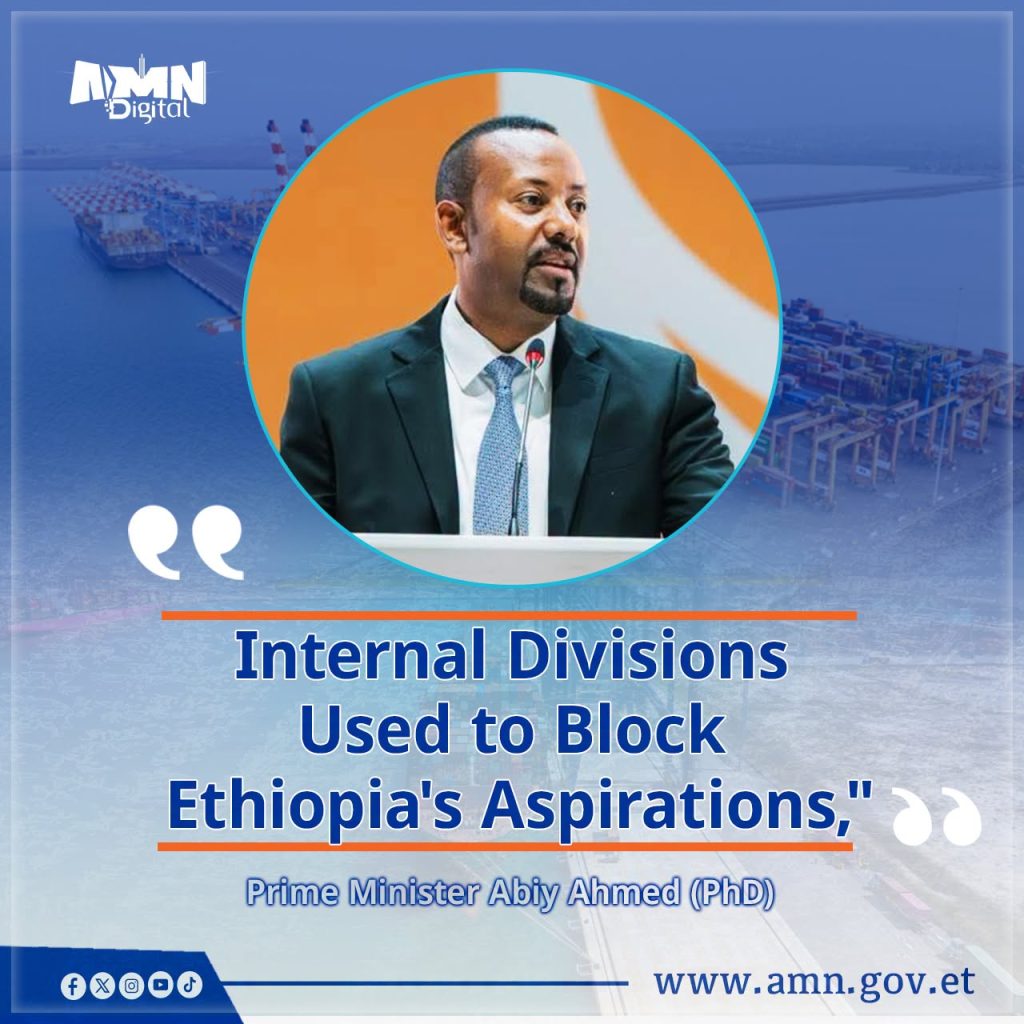
Speaking at the historic opening ceremony of Ethiopia’s National Dialogue Conference, Prime Minister of the Federal Democratic Republic of Ethiopia (FDRE), Abiy Ahmed, stated that some countries continue to pursue policies aimed at keeping Ethiopia politically unstable.
The Prime Minister said these countries have historically sought to weaken Ethiopia by supporting proxy conflicts and fueling internal divisions in an effort to prevent the nation from realizing its aspirations and securing a prosperous future for its people.
According to the Prime Minister, such external interference has repeatedly challenged Ethiopia’s stability, development, and strategic interests throughout its modern history.
He further noted that one of the lasting historical consequences of these pressures has been Ethiopia’s loss of direct access to the sea—a development with significant economic, geopolitical, and national implications.
History shows that countries with coastal access have often used their ports to build modern logistics systems, expand industrial production, promote maritime trade, and develop thriving tourism industries. Strong maritime infrastructure can accelerate economic growth, create employment opportunities, and enhance a nation’s competitiveness in global markets.
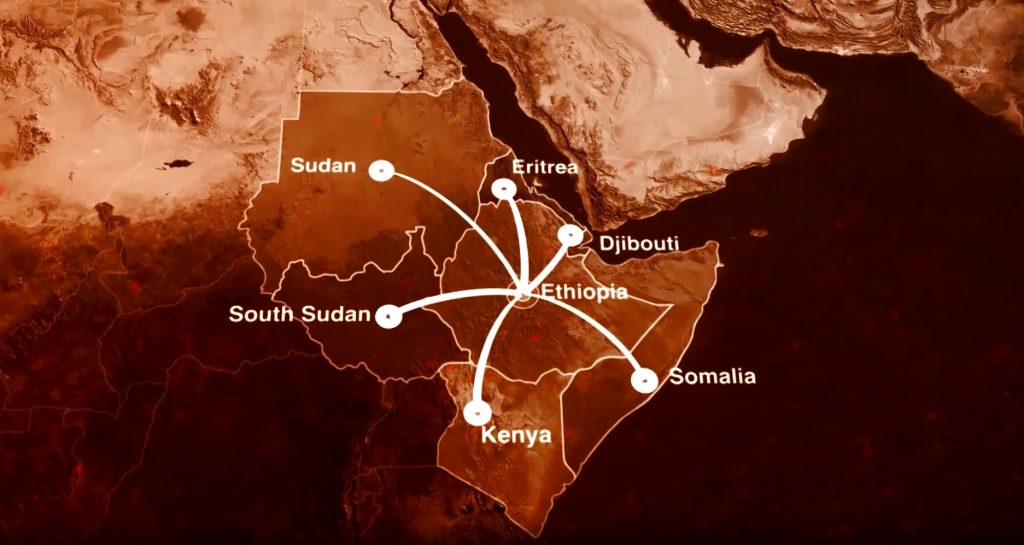
For Ethiopia, improved maritime access could unlock new opportunities within the blue economy, including fisheries, coastal tourism, maritime services, and increased foreign direct investment. It could also reduce the substantial foreign exchange the country spends annually on port services and logistics, allowing more resources to be directed toward infrastructure, education, healthcare, and other national development priorities.
Beyond its economic value, dependable sea access is closely linked to Ethiopia’s capacity to participate more effectively in international trade while strengthening its economic resilience. As the country’s population, manufacturing sector, and industrial base continue to expand, efficient maritime connectivity will become increasingly important for maintaining reliable supply chains, supporting exports, and enhancing national security.
Supporters of Ethiopia’s maritime vision emphasize that the country’s pursuit of sea access is intended to be achieved through peaceful dialogue, mutual benefit, regional cooperation, and full respect for the sovereignty and territorial integrity of neighboring states. From this perspective, the objective is not territorial confrontation but the creation of sustainable partnerships that generate shared prosperity across the region.
A stronger maritime presence could also enable Ethiopia to play a greater role in promoting peace, stability, and economic integration in the Horn of Africa and along the strategic Red Sea and Gulf of Aden maritime corridors. Reliable access to the sea would enhance the country’s regional contribution while reducing the economic and strategic vulnerabilities associated with being landlocked.
Ethiopia’s relationship with the sea is deeply rooted in its history. Its maritime heritage, stretching back to the ancient Aksumite civilization, remains an enduring part of the nation’s identity.
Many Ethiopians believe the present generation has a unique opportunity to reconnect with that legacy through diplomacy, regional partnership, and cooperative development that delivers lasting benefits for both Ethiopia and its neighbors.
By Birhanu Workneh