

Ethiopia’s trade has long been heavily dependent on the ports of neighboring countries, which costs the nation over $2 billion annually, primarily in rent.
This is a huge burden for a developing country like Ethiopia, which has a wide array of infrastructural needs. As a result, Ethiopia’s renewed quest for direct access to the Red Sea is not simply a national interest, but a strategic move with broader continental implications.
In an Exclusive Interview with Addis Media Network’s English department, Sadik Adem, a member of the House of Peoples’ Representatives, emphasized that Ethiopia’s efforts are aligned with Agenda 2063, Africa’s long-term vision for a peaceful, connected, and prosperous continent.
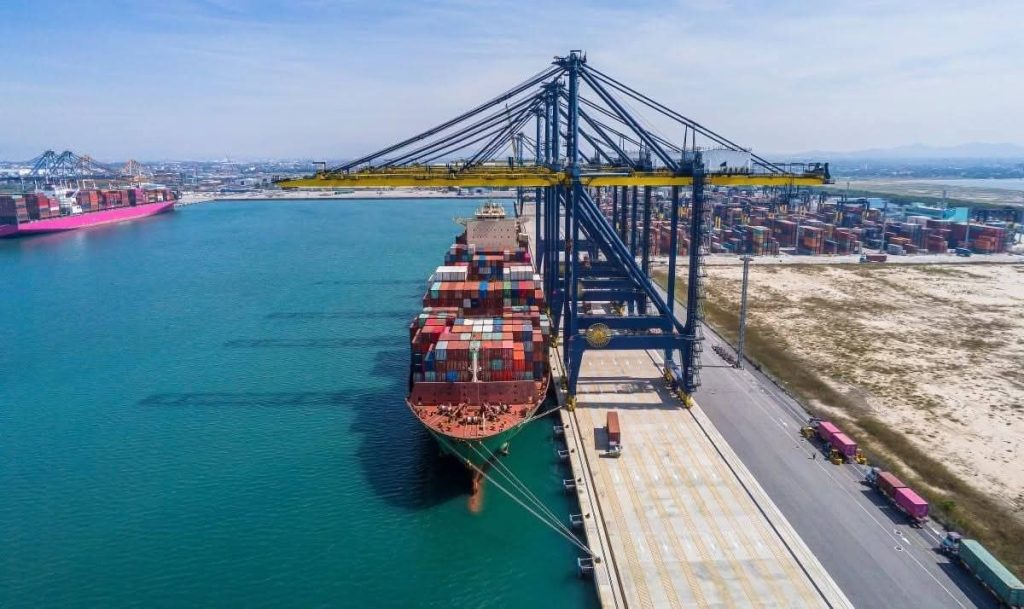
Sadik explained that the core objectives of Agenda 2063 development, equity, and justice rely heavily on secure maritime access. Reliable access to the sea is crucial for reducing logistics costs, advancing manufacturing, and connecting Ethiopia to regional value chains, key targets under the agenda 2063
According to Sadik Adem, Ethiopia’s parliament has been actively working to strengthen the country’s maritime logistics by adopting various proclamations over the past four to five years.
The government has also re-established a proclamation outlining the duties of its executive organs to support this effort.
Ethiopia’s diplomatic efforts remain a priority, as the government consistently reiterates that diplomacy is the key to securing sustainable access to the Red Sea.
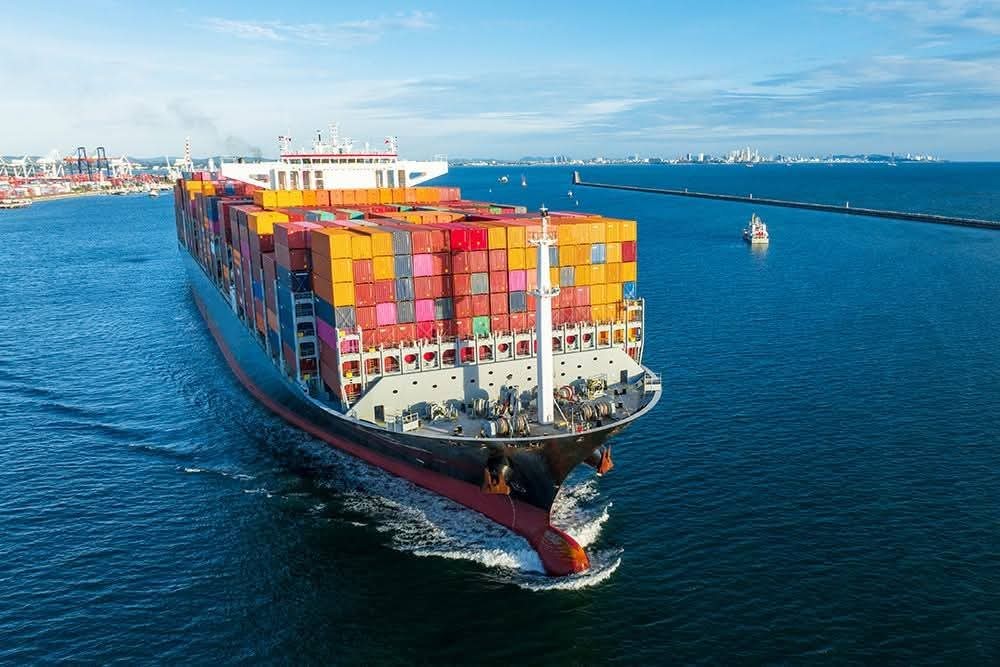
Sadik further emphasized that regional organizations, such as IGAD (Intergovernmental Authority on Development) and the African Union, play an essential role in mediating and supporting Ethiopia’s push for sea access. These organizations are working hard to foster peace and security among East African nations through dialogue and roundtable discussions. However, Sadik noted, the issue of sea access requires a more significant push.
Ethiopia’s renewed quest is increasingly framed within the context of Agenda 2063, aiming to enhance regional connectivity, trade, competitiveness, and continental integration.
In this broader vision, Ethiopia’s access to the Red Sea is not only a national priority but a vital step for the entire continent’s long-term growth and prosperity.
By Birhanu Workneh
