AMN PLUS-August 18, 2026
Although Addis Ababa was once renowned as a green city blessed with clean rivers, by 2026 its green coverage had declined to just 2.8 percent, leaving the city facing a severe ecological crisis.
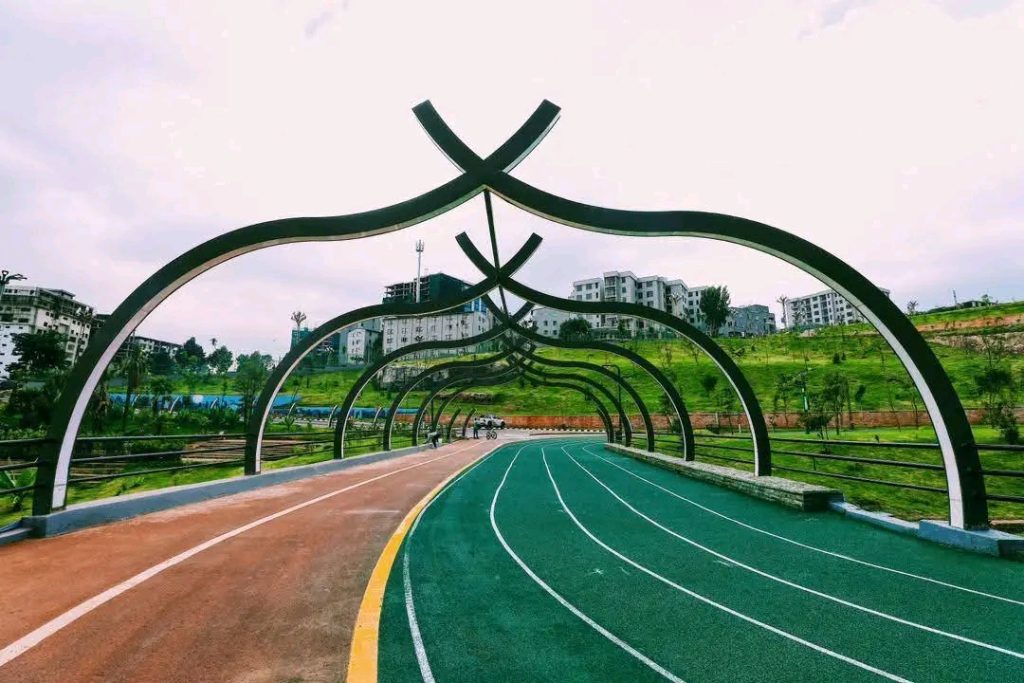
Today, however, efforts to integrate modern solid waste management with riverside development are helping Addis Ababa’s rivers reclaim their natural beauty and cleanliness, while contributing to the protection of residents’ health and the city’s ecosystem.
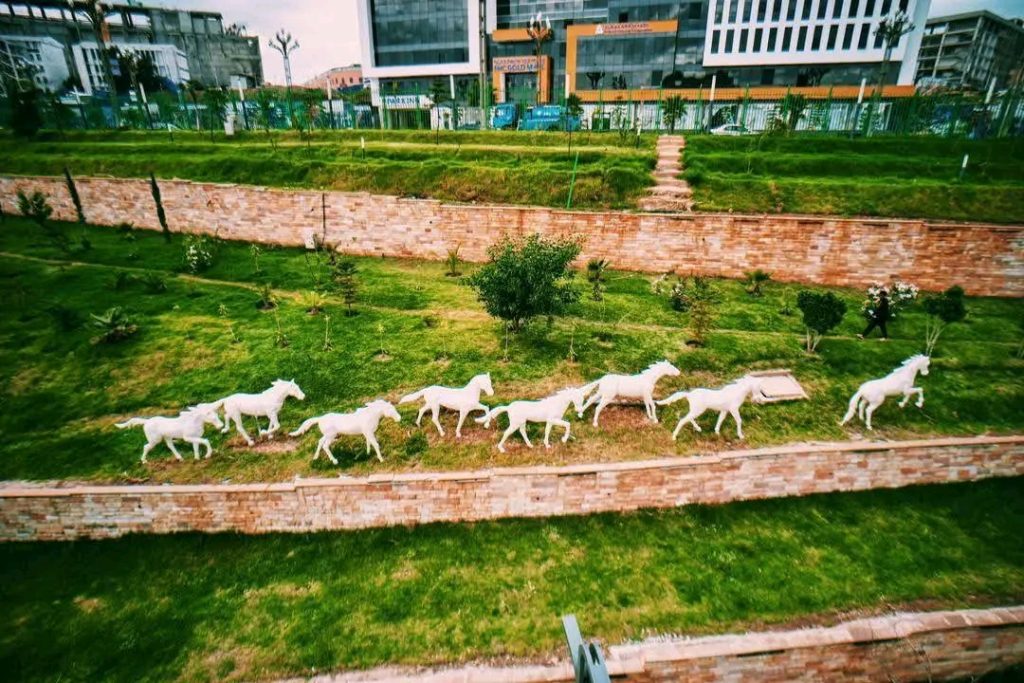
Through the decisive measures taken by the reformist government and the implementation of an integrated development policy, alongside riverbank development initiatives, the city’s green coverage has increased from 2.8 percent to 24 percent in just five years.
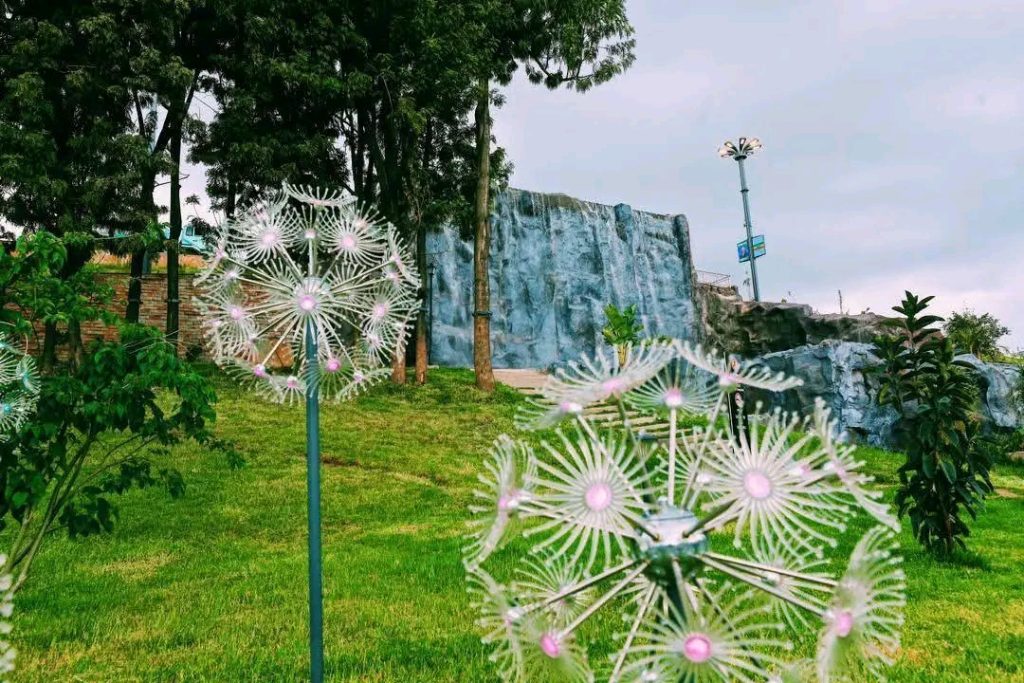
Over the past five years, solid waste management in the capital has moved beyond the traditional practice of simply collecting and disposing of waste toward a more sustainable approach centered on reuse and resource recovery. As a result, the city’s rivers have been freed from pollution and transformed into clean, attractive public spaces for recreation.
These achievements in environmental restoration and waste management have made a significant contribution to restoring Addis Ababa’s beauty and cleanliness—qualities befitting its name—and have helped the city earn recognition as one of Africa’s 10 cleanest cities.
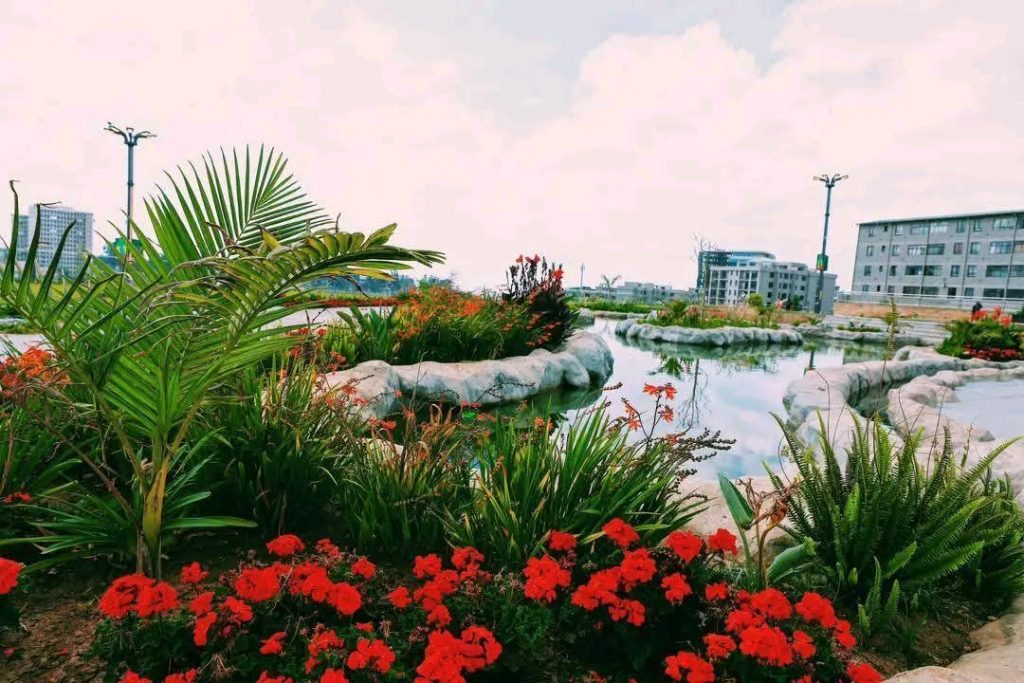
To drive this transformation of the city’s rivers and ecosystem, the city administration has undertaken a wide range of initiatives in the solid waste management sector.
Among the most notable is its effort to turn waste into a valuable resource.
Over the past five years, more than 5 million tons of solid waste have been collected in the capital, helping to clear the city of accumulated waste. Of this total, 484,632 tons have been processed and put to productive use for various purposes, including the generation of clean energy, according to available data.
By Leta Teresa