
AMN PLUS-November 9, 2026
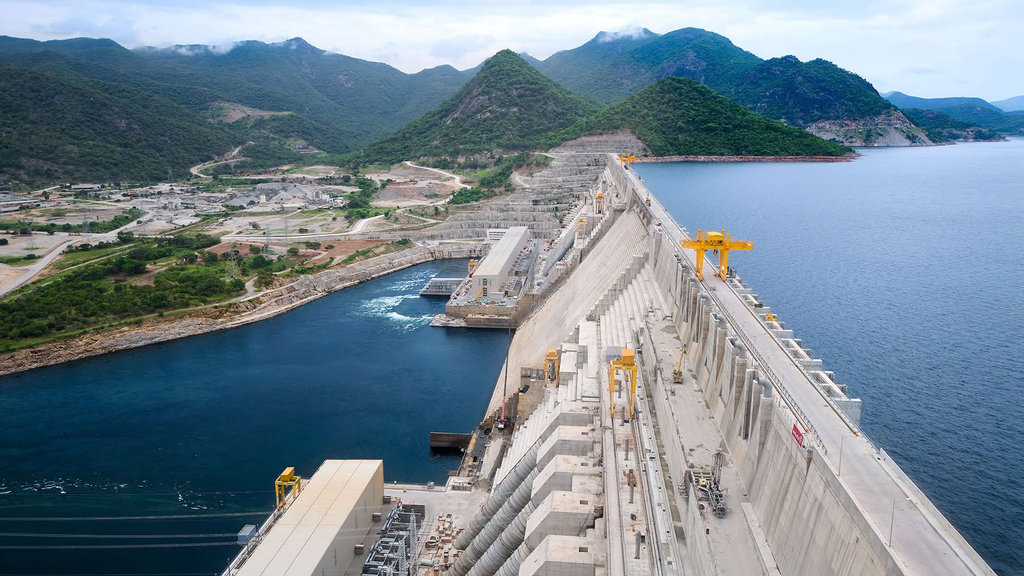
Regarding the construction and utilization of the Grand Ethiopian Renaissance Dam (GERD), a recent joint statement by Egypt and Sudan was heard, along with their plans to establish a committee to document alleged “damages” caused by the dam and to demand compensation. This kind of campaign disregards Ethiopia’s legal, natural, and historical rights, and directly contradicts the globally accepted principle of equitable and reasonable utilization of water resources. The following are the key facts confirming Ethiopia’s sovereign and equitable rights over the basin, as well as the reality that it causes no significant harm to the downstream countries:
Natural and International Law Rights (Equitable and Reasonable Utilization)
 Equitable Water Utilization: Ethiopia is the primary upstream country that generates over 85% of the Nile (Abay) water. It possesses a full natural and legal right to develop its own river to lift more than 60 million of its population out of darkness and meet basic electricity needs.
Rejection of Colonial Treaties: The 1929 and 1959 treaties cited by Egypt and Sudan to monopolize the Nile waters are colonial legacies that Ethiopia did not sign and absolutely do not apply to her. Ethiopia is guided solely by the principles of the Declaration of Principles (DoP) signed among the three nations in 2015 and the Nile River Basin Cooperative Framework Agreement (CFA), which encompasses all basin countries.
“No Significant Harm” and Benefits to Downstream Countries
Regulated Water Flow: The Grand Renaissance Dam regulates the flow of water; it does not retain or permanently diminish it. On the contrary, by ensuring a consistent and regulated water flow, it enables downstream countries to access reliable water throughout the year.
Flood and Silt Protection: The dam has eliminated the dangerous annual flooding that used to affect Sudan and Egypt. It also contributes significantly to preventing downstream dams from filling with silt, thereby reducing their maintenance costs.
Safety of Sudanese Dams: Egypt’s recent claim of an “artificial flood risk” is exaggerated and lacks a scientific basis. Instead, the GERD’s regulation of water flow protects the safety of Sudan’s Roseires Dam and other infrastructure, while creating favorable conditions for Sudanese agriculture to harvest more than once a year.
Inclusive and Regional Cooperation (Nile Basin Framework)
Rights of Other Countries: The Nile River is not the exclusive property of just three nations (Ethiopia, Egypt, and Sudan), but a shared resource of 11 Nile Basin countries. Egypt and Sudan’s attempts to confine the issue to just the three countries is a historical mistake that excludes the development rights of other upstream nations (such as Kenya, Uganda, Tanzania, etc.).
Ratification of the CFA: The recent entry into force of the Nile River Basin Cooperative Framework Agreement (CFA) is a major milestone for basin nations to utilize the river collectively and equitably. Ethiopia always adheres to a “Win-Win” principle, and the dam holds immense potential for East African regional integration and green energy development.
Ethiopia’s filling and operation of the Renaissance Dam have been conducted in a manner that does not disrupt the water security of downstream nations and adheres strictly to international scientific principles. Instead of engaging in political consumption narratives like “compensation for damages” and “unilateral actions,” Egypt and Sudan should join the Nile River Basin Cooperative Framework Agreement (CFA) to work with Ethiopia based on genuine cooperation and mutual benefit. The Renaissance Dam is a source of development, light, and cooperation- not a source of threats or harm.
By Hussen Kemal