AMN Plus-February 17/2026
Ethiopia’s and Türkiye’s relationship spans centuries, grounded in mutual respect and sustained by a resilient tradition of partnership that has withstood even the most challenging periods of history.
Türkiye has emerged as a major regional actor across Europe, the Middle East, and Africa. Since the 1990s, it has demonstrated a profound shift in its foreign policy toward Africa, a transformation highlighted by Dipama and Parlar in their book Assessing Turkey–Africa Engagement, which underscores Türkiye’s growing and structured focus on the continent.
In 1998, Türkiye launched its Africa Action Plan, laying a strategic foundation for deeper engagement with African countries. This initiative was further reinforced in 2005 with the proclamation of the “Opening to Africa Policy,” marking a new phase of comprehensive and forward-looking cooperation.
Over the past two decades, Türkiye has gained international recognition for its successful mediation diplomacy. According to an article published by the Foreign Affairs Institute, countries such as Somalia, Ethiopia, Libya, Afghanistan, Iraq, Israel, Azerbaijan, Russia, Ukraine, Palestine, and Iran are among those that have benefited from Türkiye’s facilitation and mediation efforts. Both Ethiopia and Türkiye are currently undergoing dynamic national transformations. This shared momentum has enabled the two nations to align around common interests and mutually reinforcing objectives.
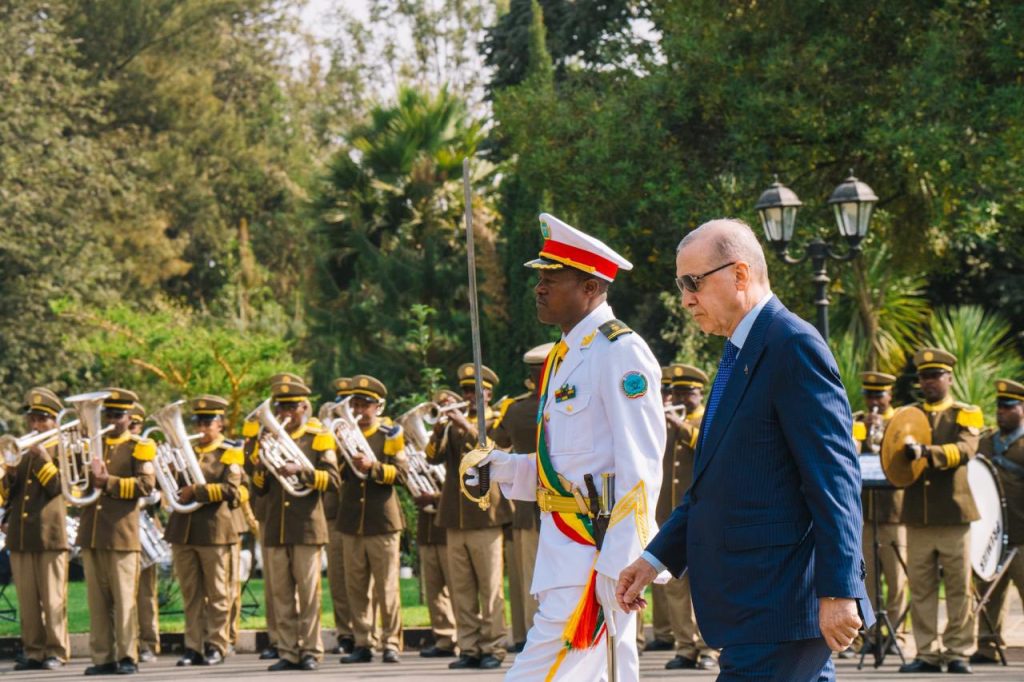
Strategically located in the Horn of Africa and serving as a gateway between Europe, Asia, and the Middle East, Ethiopia is increasingly viewed as a balancing power and a pillar of peace and stability, both within Africa and the African Union.
Ethiopia’s geopolitical importance, its role in peacekeeping, and its growing economic capacity have all contributed to Türkiye’s sustained interest in maintaining close and enduring ties with the country.
One of the most notable demonstrations of Türkiye’s effective mediation is its role in facilitating dialogue between Ethiopia and Somalia. The outcome of this process is widely regarded as a model of how economic and cultural ties can be harnessed to advance mediation diplomacy and promote peaceful solutions.
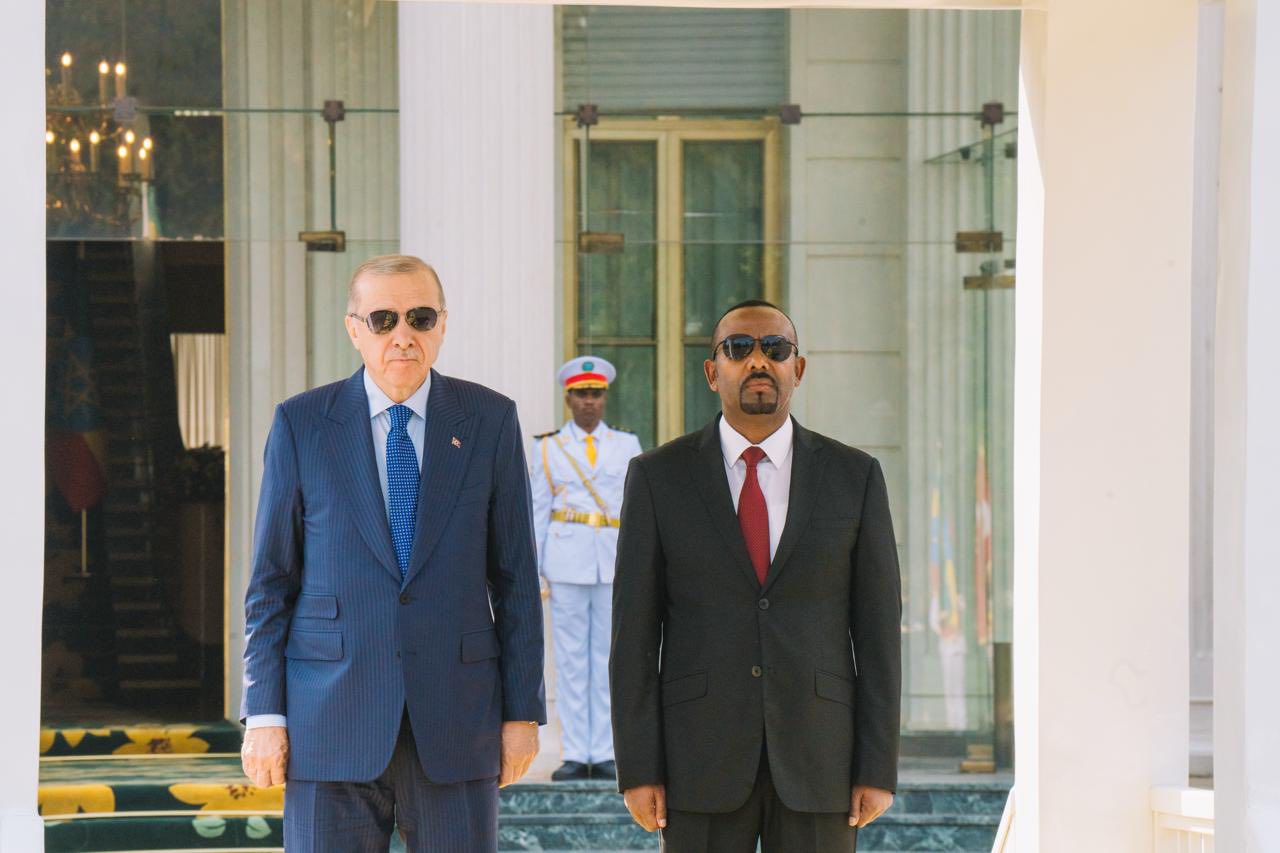
During the signing of the agreement, Ethiopian Prime Minister Abiy Ahmed (PhD) emphasized that Ethiopia’s quest for sea access is peaceful in nature and should be viewed through a spirit of cooperation rather than suspicion, as it offers shared benefits to neighboring countries.
President Recep Tayyip Erdoğan, in turn, commended the agreement and affirmed that Ethiopia’s attainment of legitimate access to the sea is both appropriate and inevitable.
Türkiye’s mediation role is therefore seen as a clear expression of its commitment to promoting peace in the Horn of Africa. Moreover, its efforts to foster understanding between Ethiopia and Somalia have helped elevate Ethiopia’s sea-access request to a matter of international diplomatic legitimacy.
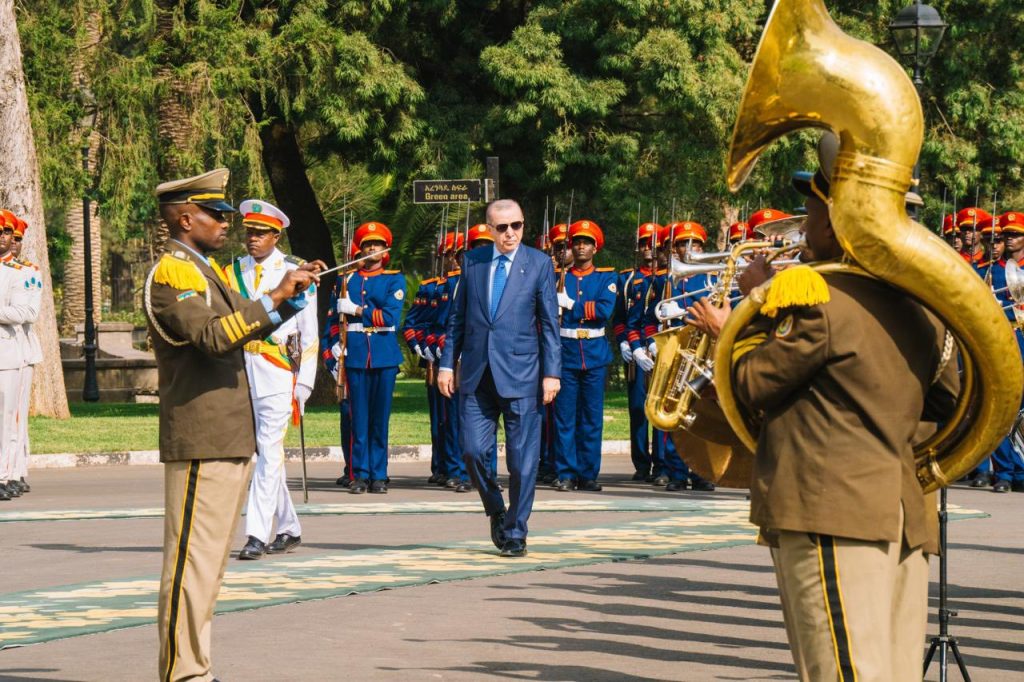
At a time when Ethiopia has faced pressure from historical adversaries over the Grand Ethiopian Renaissance Dam, Türkiye’s neutral and principled stance, supporting Ethiopia’s right to safeguard its national interests, has further strengthened its image as a reliable and trustworthy partner.
The Ankara Agreement has helped mend strains in Ethiopia–Somalia relations and dispel the clouds of conflict hovering over the Horn of Africa. Consequently, Ethiopia–Türkiye relations are expected to play a pivotal role in advancing peace and stability across the region.
Türkiye’s mediation approach aligns closely with Ethiopia’s own long-standing contributions to peacekeeping and conflict resolution among neighboring countries. As a result, the partnership between the two nations is likely to exert a strong and lasting positive impact on sustainable peace in both the Horn of Africa and the wider Red Sea and Gulf region.
The Foreign Affairs Institute also underscores that Türkiye’s support for Ethiopia’s lawful sea-access aspirations will play a constructive role in translating this objective into reality.
In a recent parliamentary address, Prime Minister Abiy Ahmed recalled that Ethiopia does not forget friends who stood by its side during difficult times, particularly when the world turned its back.
Indeed, Türkiye is among the few countries that demonstrated genuine friendship by standing with Ethiopia during its most challenging moments, further cementing a partnership that continues to serve as a force for regional peace and cooperation.
By Birhanu Workneh