
AMN PLUS– March 3/ 2026
The combination of indigenous knowledge and modern technology—reinforced by the efforts of both the government and private investors—is steadily reshaping Ethiopia’s industrial landscape in a convincing and transformative way.
In particular, the national movement known as Ethiopia Tamirt or Let Ethiopia Produce movement has proven to be far more than a slogan. It has become a practical and strategic instrument that has revitalized the manufacturing sector and changed the pulse of domestic production.
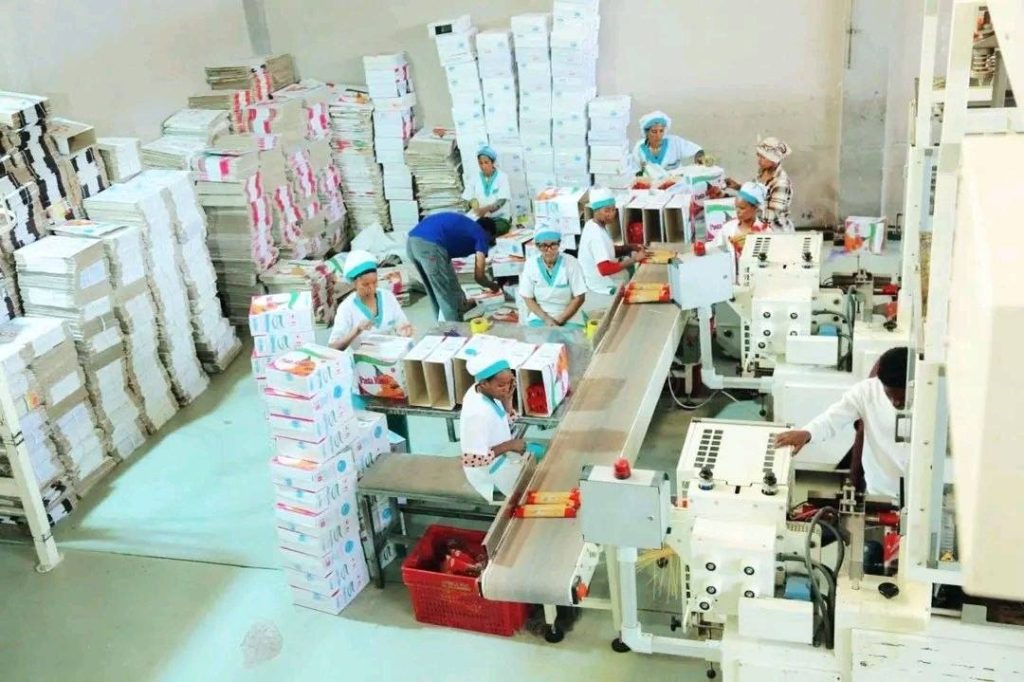
In the agro-processing sector, Ethiopia has made notable strides by transforming its vast agricultural resources into tangible industrial output, significantly substituting imported products with locally processed alternatives. Products such as edible oil, flour, pasta, and macaroni, the growth in domestic wheat production has supported numerous factories that are now supplying quality products to both local and global markets.
In the packaged food and dairy sector, processed meat, vegetables, and fruits—as well as dairy products such as cheese and butter—are increasingly being produced and delivered to the market while maintaining quality standards.
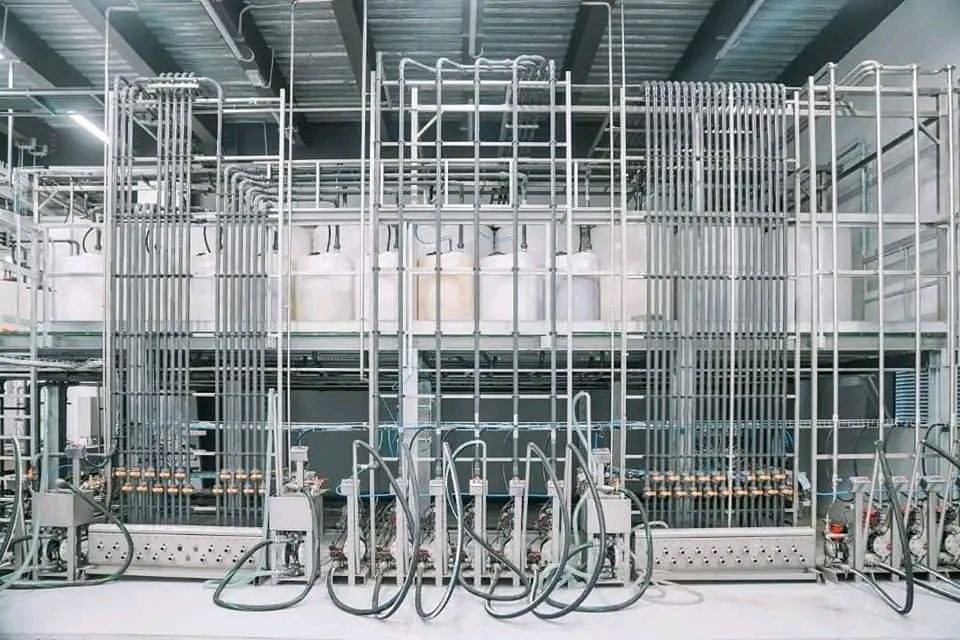
In the construction and metal industries, products such as cement, steel, plastic pipes, and electric cables are being produced in large quantities within the country. These materials serve as critical inputs for water supply systems, sewerage networks, and electricity infrastructure expansion.
The textile, garment, and leather sector remains one of the leading areas that has helped position Ethiopia as a competitive player in the global market. A variety of garments produced in the country’s industrial parks are now being exported not only across Africa but also to European markets.
The vehicle assembly and electronics sector is another major indicator of Ethiopia’s transition into a more advanced technological era. Driven by recent policy measures promoting electric mobility, a growing number of electric vehicles and public transport buses are now being assembled locally and introduced to the market. Likewise, several technology companies are assembling mobile phones domestically, helping expand public access to modern communication devices. Household electronic appliances such as televisions, refrigerators, and washing machines are also increasingly being assembled within the country.
Today, Ethiopia is not only assembling buses and electric vehicles but also producing garments that can compete in international markets—an impressive milestone that signals a historic break from the past and a bold national revival in industrial strength.
By Birhanu Workneh