
AMN Plus -December 16/2025
The Institute of Foreign Affairs of Ethiopia Publishes Speeches and Presentations of scholars on the national interests of the Nation.
The Institute of Foreign Affairs of Ethiopia has Published Speeches and Presentations on the Red Sea Dialogue Proceedings of the first Red Sea Regional Consultative Forum on the theme “Red Sea Security Dynamics :The Need for Regional Cooperation at a time of Geopolitical Entanglements” Red Sea series -I
The Red Sea Region holds significance geostrategic importance, as it has been the site of historical power struggles among countries.
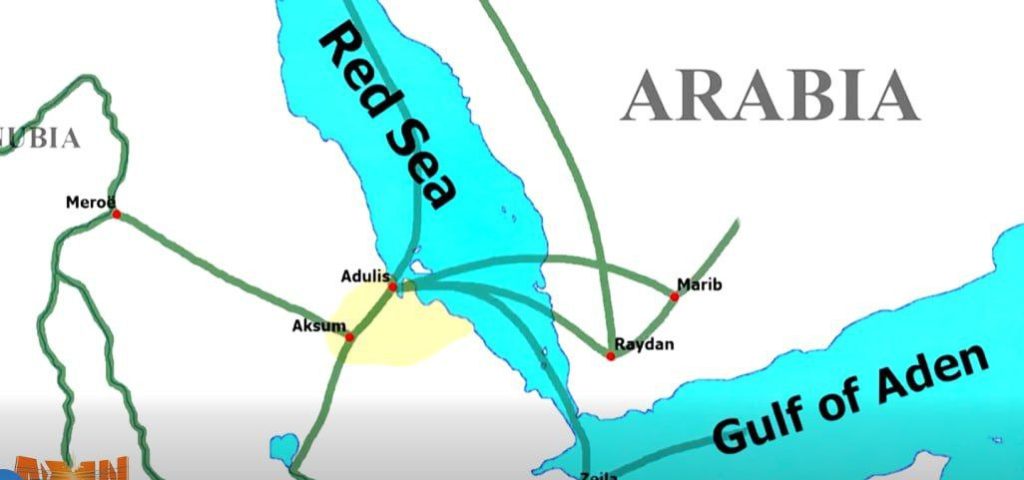
Currently, there are ongoing changes taking place as regional and global superpowers seek to protect their national interests. Because of this, it is crucial to closely monitor and have timely discussions regarding this dynamic region.
The Red Sea Region encompasses the Horn of Africa, the Arabian Gulf, and North Africa. Not only does it exhibit geographical diversity, but the states in this region also share cultural and religious similarities. Therefore, conflicts in one part of the region have immediate consequences in other areas, and vice versa.
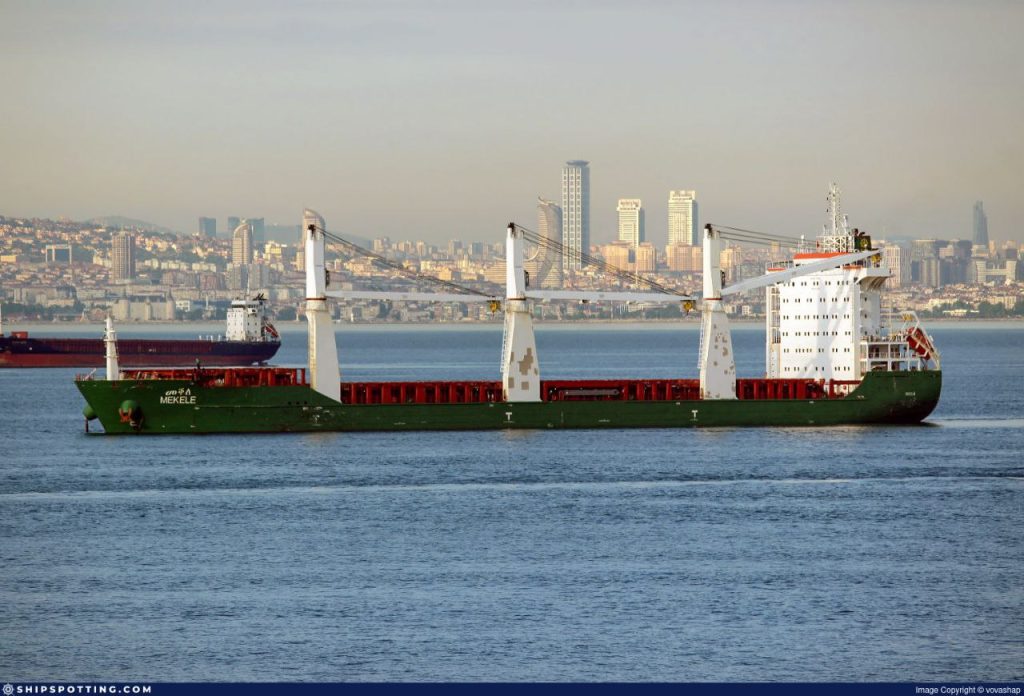
Additionally, the Red Sea serves as a vital connection between the Mediterranean and Indian Ocean, making it an important global trade route. Situated near major chokepoints such as the Suez Canal and the Strait of Bab al-Mandab, these regions ensure unhindered navigation for trade and access to the Red Sea trade route. While there is currently a significant economic disparity among the states in the region, a few decades ago they had similar economic levels.
However, due to a focus on internal affairs, states in the Arabian Gulf and Northeastern Africa have drifted apart over time. In recent years, though, there has been a renewal of s relationships as these states address shared security threats such as piracy, radicalism, extremism, terrorism, and various forms of trafficking and illicit finance. Addressing these issues requires regional cooperation and integration rather than unilateral management. Because of its strategic location and valuable resources, the Red Sea has attracted the interest of multiple states, some of which are not geographically part of the region. For Arab Gulf states, having a maritime
route to Africa is crucial for their food and water supply security.
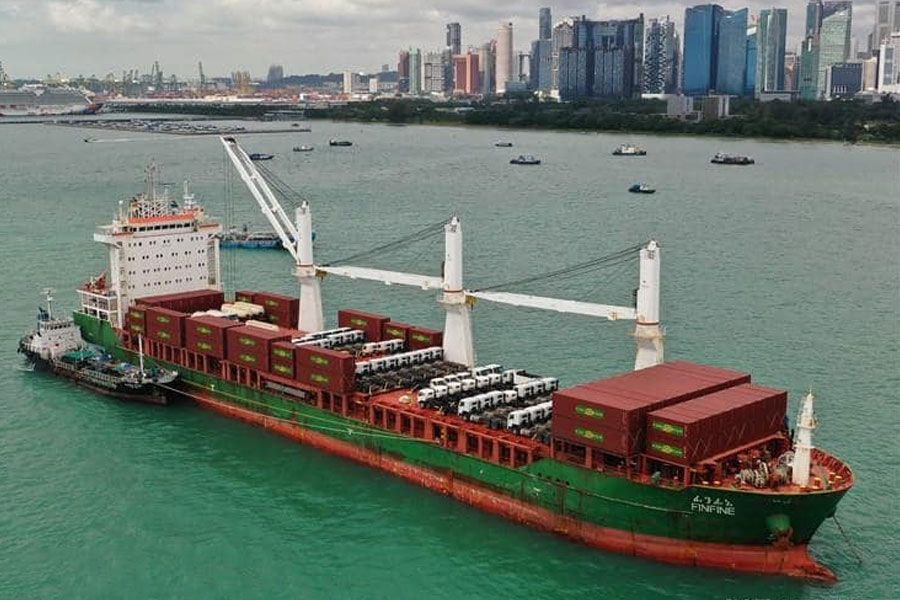
Ethiopia, although not a coastal state, heavily relies on the Red Sea as a gateway to the world. Furthermore, over 12% of global seaborne cargo and 40% of Asia’s trade with Europe passes through the Red Sea. Certain European and Asian countries have established commercial and military bases in the region, while others are still seeking a presence. With the increasing strategic importance of the region, security threats
have also grown.
There is a proliferation of non-state actors, including piracy, cross-border crime, radicalism, extremism, and terrorism, posing challenges to the stability of the states in the area.
State governments have established bilateral and multilateral platforms to address the security situation in the Red Sea region. The Djibouti Code of Conduct was signed in 2009, and the Red Sea Security Alliance, also known as the Council of Arab and African countries of the Red Sea and the Gulf of Aden, was formed in 2020.
However, some of these frameworks lack sufficient consultation with concerned states and stakeholders. Certain key states that could contribute significantly to achieving common objectives have been deliberately excluded from membership or have chosen not to join. Moreover, there are existing members who do not fully capitalize on their potential to enhance the security environment in the region.
Source :IFA, Red Sea series -I