AMN Plus-July 23, 2026
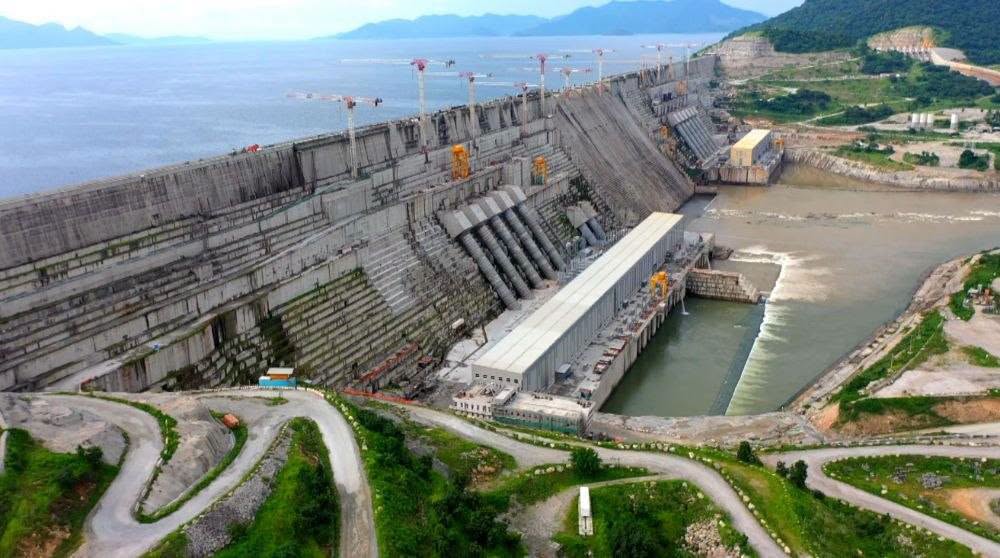
The Grand Ethiopian Renaissance Dam (GERD), built on the Blue Nile in northwestern Ethiopia, is Africa’s largest hydroelectric power project and a landmark investment in regional development. Designed primarily to generate clean, renewable electricity, the dam represents Ethiopia’s effort to meet its growing energy needs while creating opportunities for greater cooperation and shared prosperity across the Nile Basin.
Although GERD has been the subject of regional debate, it also has the potential to provide substantial benefits to downstream countries, particularly Sudan and Egypt, through improved water regulation, enhanced energy cooperation, greater agricultural stability, and environmental sustainability.
One of the dam’s most significant advantages is its ability to regulate the flow of the Blue Nile.
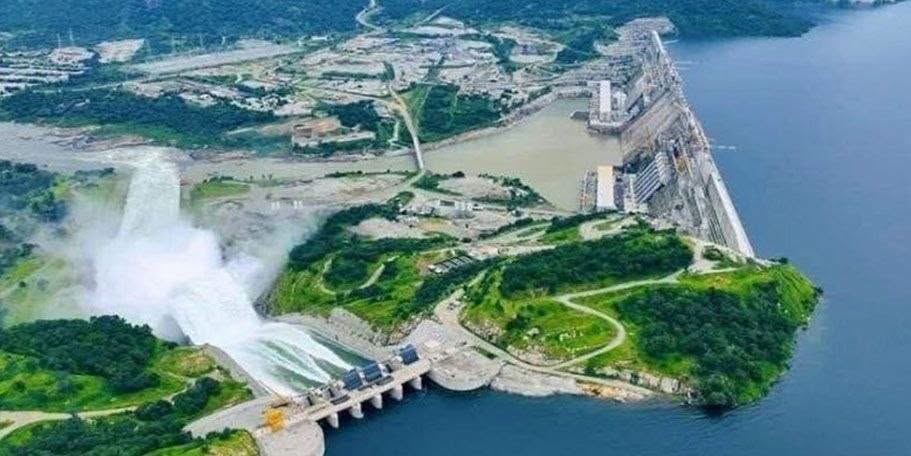
Historically, the river has experienced dramatic seasonal fluctuations, bringing devastating floods during the rainy season. By storing water during times of heavy rainfall and releasing it in a more controlled and predictable manner, GERD can help reduce the frequency and severity of floods downstream. Sudan, in particular, stands to benefit from reduced flood damage to homes, farmland, roads, and other critical infrastructure.
GERD can also significantly reduce the amount of sediment carried by the Blue Nile. Every year, the river transports millions of tons of silt that accumulate in reservoirs, irrigation canals, and hydropower facilities downstream. By trapping much of this sediment, the dam can lower maintenance costs, extend the operational life of downstream dams, and improve the efficiency of irrigation systems that support agricultural production.
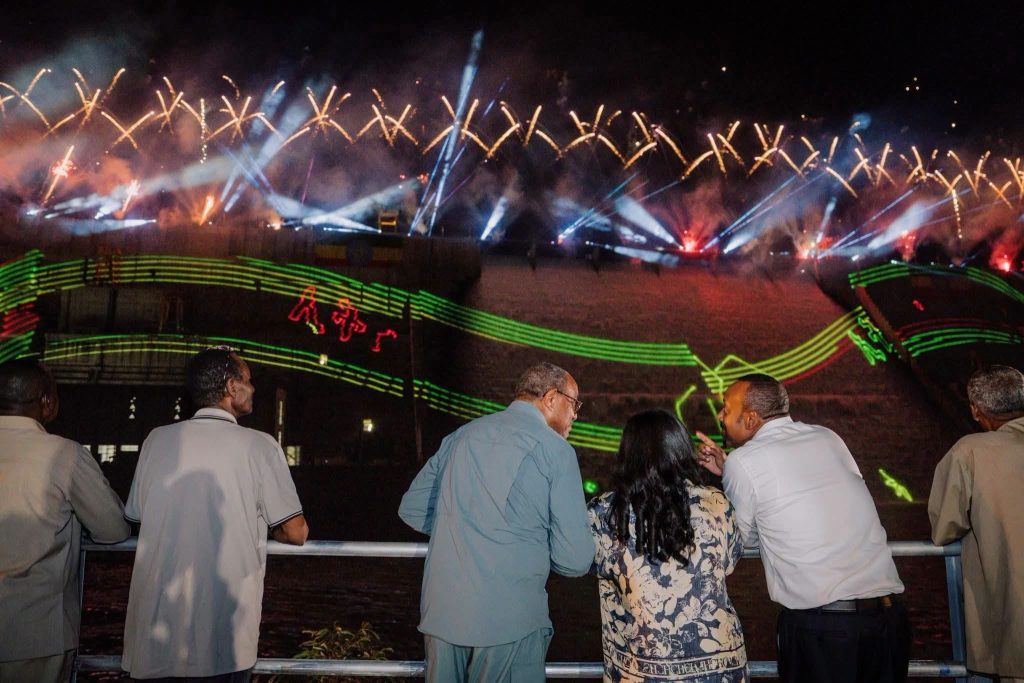
Another major benefit lies in regional energy cooperation. With an expected generation capacity exceeding 5,000 megawatts, GERD is among Africa’s largest sources of renewable electricity. The surplus electricity can be exported to neighboring countries through regional power interconnections, improving energy security, supporting industrial growth, and strengthening economic integration across East Africa.
The dam’s regulated water releases can also make river flows more predictable, enabling downstream farmers to plan irrigation more effectively. Greater consistency in water availability reduces the uncertainty associated with extreme seasonal variations, contributing to increased agricultural productivity, improved food security, and more resilient farming systems.
From an environmental perspective, GERD generates electricity without burning fossil fuels. As a clean energy project, it helps reduce greenhouse gas emissions and supports Africa’s transition toward low-carbon development. Increased access to renewable electricity can also reduce dependence on diesel-powered generators and other high-emission energy sources, delivering environmental and public health benefits across the region.

Beyond its technical and economic contributions, GERD has the potential to serve as a platform for stronger regional cooperation. Through dialogue, data sharing, coordinated water management, and cross-border electricity trade, the dam can help build trust among Nile Basin countries and encourage collaborative approaches to managing shared water resources.
In conclusion, the Grand Ethiopian Renaissance Dam has the potential to deliver significant benefits not only to Ethiopia but also to downstream countries. Through flood mitigation, sediment reduction, renewable energy generation, more reliable river flows, improved agricultural planning, environmental sustainability, and enhanced regional cooperation, GERD can become a catalyst for shared development and long-term prosperity across the Nile Basin.
By Yonas Asres