
AMN PLUS-June 5,2026
Ethiopia is placing high priority on mitigating the impacts of climate change and protecting its ecosystem. Notable achievements have been recorded through initiatives such as the Green Legacy Program, forestry development, urban and rural corridor development, and riverbank restoration projects.
Since 2019, the National Green Legacy Program has been implemented across the country. As a result, more than 48 billion seedlings have been planted, increasing Ethiopia’s forest cover to 23.6 percent, according to Ethiopia’s Environmental Protection Authority.
In addition, soil and water conservation measures, expanded irrigation schemes, and climate-resilient modern agricultural practices have been widely adopted to strengthen the country’s capacity to adapt to climate change.
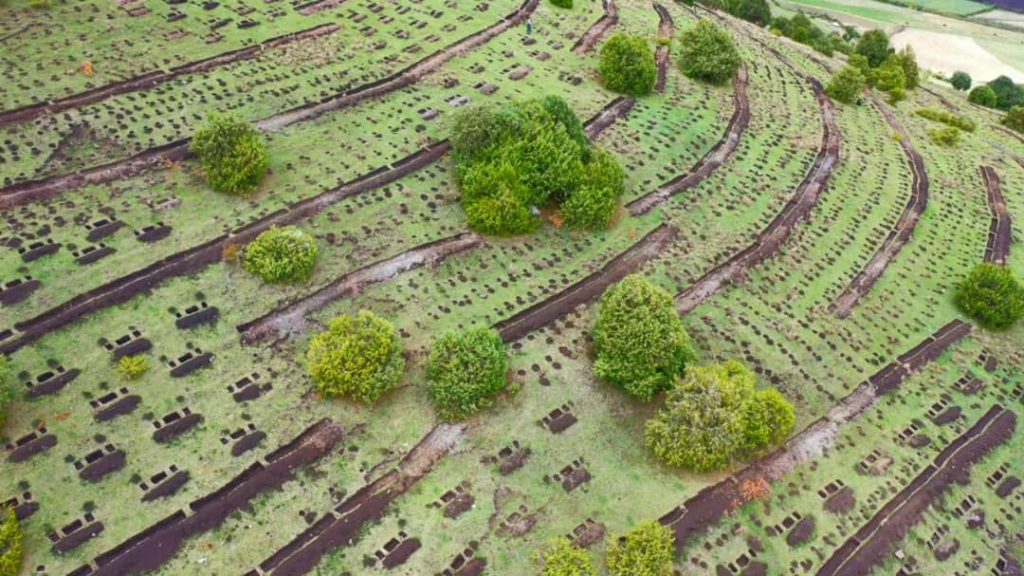
Currently, more than 95 percent of Ethiopia’s electricity supply comes from renewable energy sources, and efforts are underway to expand the use of clean energy in the transportation and industrial sectors.
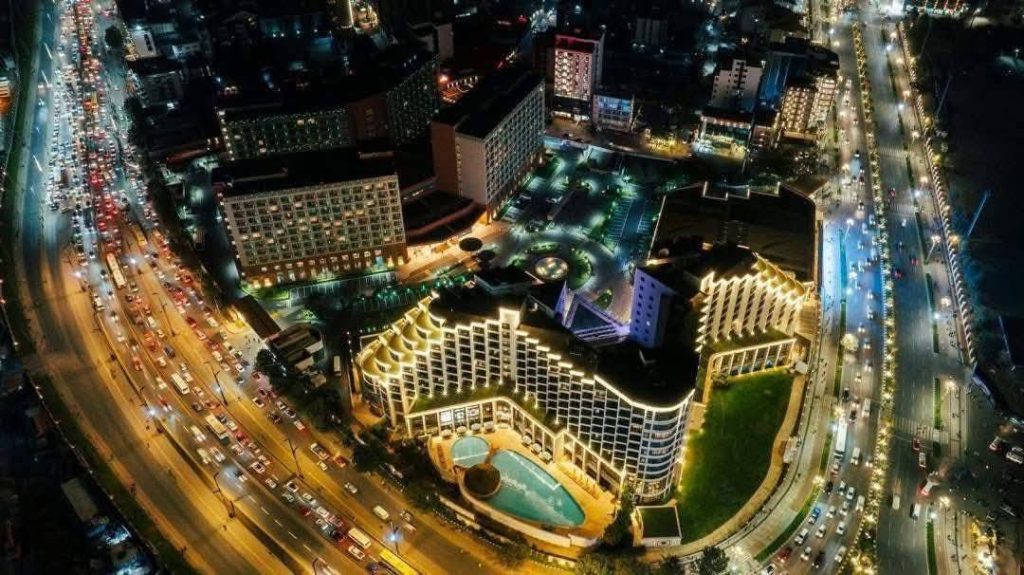
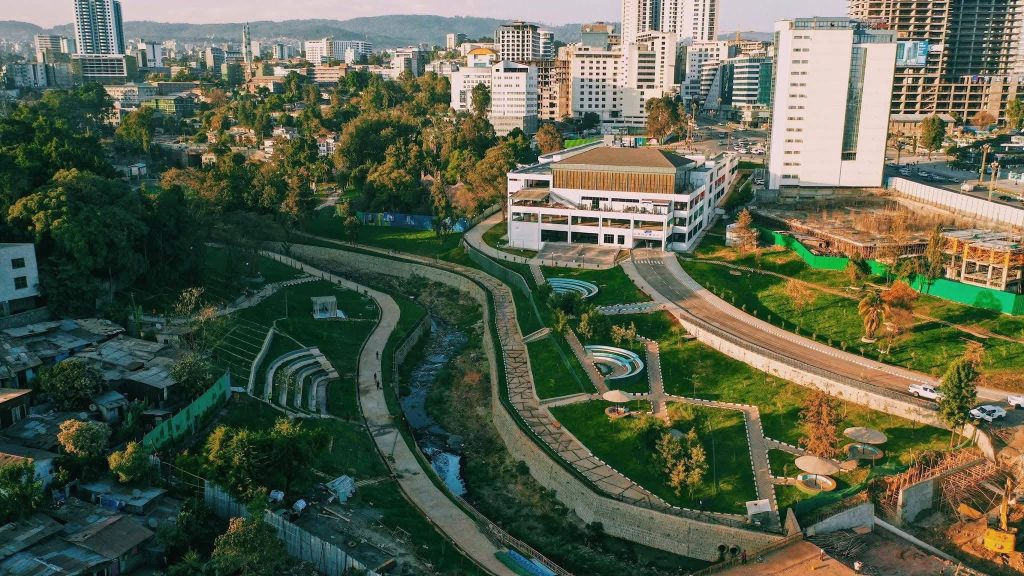
Particularly noteworthy are the Corridor and Riverside Development Projects, which are being implemented in 68 cities across the country, including Addis Ababa.
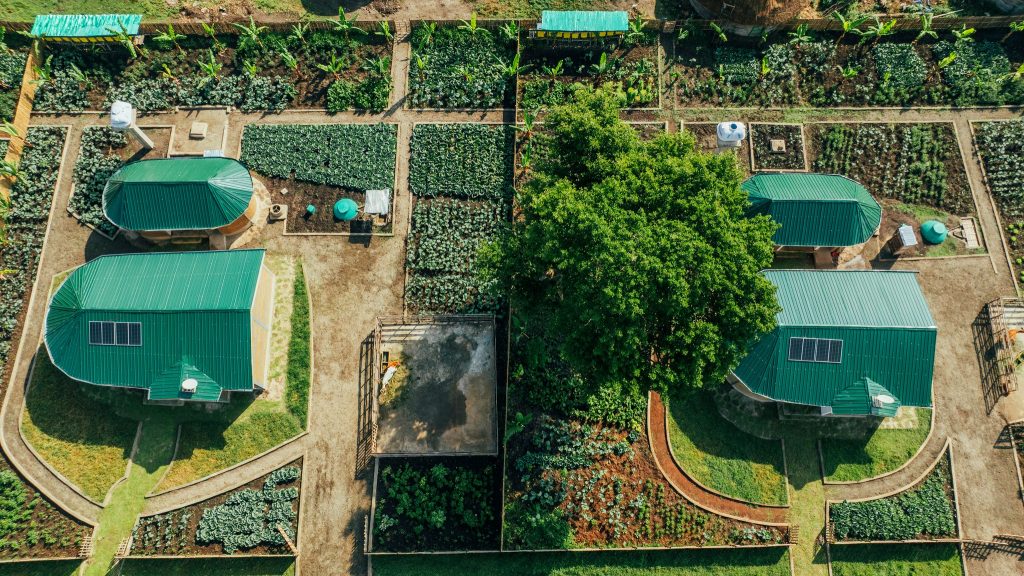
To replicate the positive outcomes achieved in urban areas and improve the quality of life in rural communities, the government has also launched the construction of model rural villages as part of the Rural Corridor Development Program.
In Addis Ababa, the Corridor Development and Riverside Development projects have been undertaken to make the city cleaner, more attractive, and more convenient for residents by improving solid and liquid waste management systems. For instance, before the national reform period, the city had only one sewage treatment plant. Through coordinated efforts by the city administration, that number has now increased to 43.
By modernizing its solid and liquid waste management systems, Addis Ababa has emerged as one of the ten cleanest cities in Africa.
Overall, urban green infrastructure plays a vital role not only in transforming the appearance of cities but also in reducing greenhouse gas emissions, enhancing environmental sustainability, and creating healthier and more livable communities.
By Leta Teresa