
AMN Plus-August 13, 2026
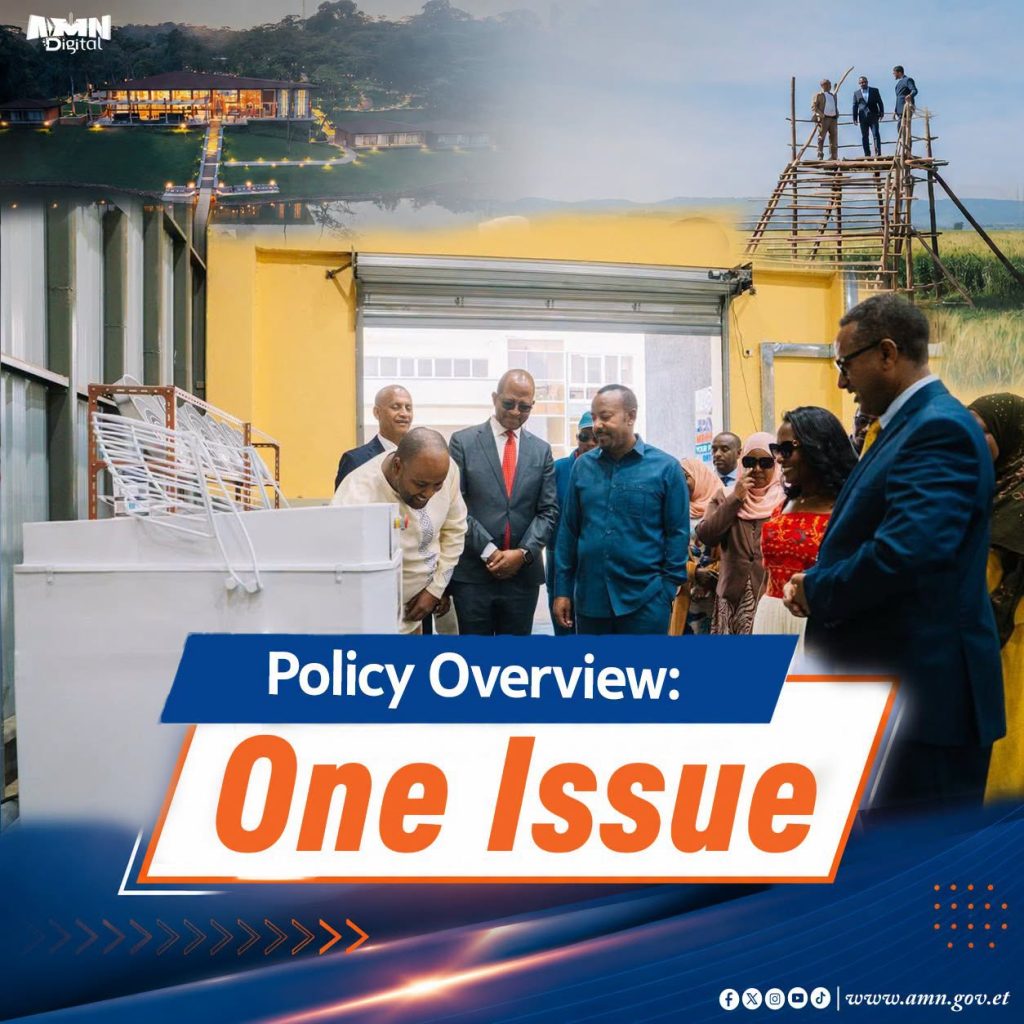
The development initiatives introduced by Prime Minister Abiy Ahmed (PhD) following the Homegrown Economic Reform reflect a strong commitment to Ethiopia’s multidimensional nation-building agenda. Together, these initiatives demonstrate the country’s ambition to build a prosperous, productive, self-reliant, and results-oriented Ethiopia.
Agriculture
The wheat production revolution has helped Ethiopia reduce its dependence on imported wheat; saving the country approximately $1 billion previously spent annually on wheat imports and conserving valuable foreign currency. Urban agriculture has also transformed underutilized spaces into modern, community-based food production systems, including vertical farming.
The Lemat Trufat initiative has organized farmers and pastoralists into value chains focused on dairy production, beekeeping, poultry farming, and fisheries, contributing to food security, nutrition, and improved livelihoods. Meanwhile, the Green Legacy Initiative has mobilized millions of citizens to restore forests and rehabilitate degraded land, becoming one of the world’s largest reforestation and environmental restoration campaigns.
Tourism
Ethiopia’s tourism sector is entering a new phase through the development of Gorgora and other Geda-related projects. These initiatives have transformed previously underdeveloped historical and natural sites into attractive domestic tourism and recreational destinations through investment in public infrastructure.
The projects are also broadening Ethiopia’s tourism offerings beyond traditional historical attractions by developing competitive eco-resorts, cultural centers, and recreational destinations across the country while creating employment opportunities. The initiatives have received contributions from Ethiopians at home and abroad through Geda fundraising campaigns, reflecting a growing spirit of national unity and collective ownership.
Education
As part of Ethiopia’s investment in the next generation, the country has built the Abrehot Library, one of Africa’s major research and learning centers. The facility has helped create renewed momentum for reading, research, and learning.
The construction of secondary schools through the First Lady’s initiative is helping address educational gaps, particularly for girls in rural communities. School renovation programs have also improved learning environments, while the expansion of pre-primary education and kindergarten services is laying a stronger foundation for future learning outcomes.
Information and Communication Technology
Ethiopia’s technological ambitions extend from the use of cloud-seeding technology to efforts to build national capabilities in space science and digital technology. The launch of Ethiopia’s first satellite, ETRSS-1, has provided Earth-observation data while creating valuable opportunities for Ethiopian engineers, researchers, and scientists to develop expertise in aerospace and related fields.
The Digital Ethiopia agenda is laying the foundation for a modern digital economy and strengthening the country’s information sovereignty. The establishment of the Ethiopian Artificial Intelligence Institute has further positioned Ethiopia as an emerging AI hub in Africa. The country is also advancing plans for a specialized artificial intelligence university, reinforcing its ambition to contribute to Africa’s digital transformation.
Manufacturing Industry
Ethiopia’s manufacturing sector is playing a growing role in the country’s drive toward industrialization and greater economic self-reliance. Industrial parks provide manufacturers with integrated infrastructure, reliable electricity, logistics services, and ready-to-use industrial land. These facilities are helping expand production, create formal employment, attract investment, and generate foreign currency.
The Ethiopia Tamrit movement has also expanded access to finance for small, medium, and large-scale manufacturers. This support has enabled producers to increase their capacity, substitute locally manufactured products for imports, conserve foreign currency, and strengthen the country’s export potential.
Health
Ethiopia’s health agenda is increasingly focused on inclusive access and better-quality services for all citizens. The provision of assistive devices, including wheelchairs and modern visual aids, together with the establishment of specialized support schools, is helping promote greater inclusion of persons with disabilities.
Hospital renovation programs are also improving medical diagnosis and treatment, reducing the need for Ethiopians to travel abroad for certain medical services. Through the Clean Ethiopia campaign, volunteers have been mobilized to promote cleaner and healthier communities while helping prevent flooding and improve urban environments. At the same time, new sports centers and Olympic-standard stadiums are expanding access to sports, recreation, and healthy lifestyles across the country.
Social Welfare
The Medemer books, which promote social cohesion, collective responsibility, and national unity, have also contributed to social development. Revenue from their sales has supported the construction of schools and homes for vulnerable citizens in different parts of the country.
Volunteer programs have mobilized millions of young people to participate in house construction and community development. The annual summer home-renovation program has likewise helped provide elderly citizens with safer and more comfortable living conditions. The Meal Sharing initiative has further strengthened a culture of mutual support, particularly during holidays, becoming a symbol of solidarity, patriotism, and national unity.
Institutional Development
Ethiopia’s efforts to strengthen institutions and advance democratic development are being supported by a range of reform initiatives. A culture of recognition has been promoted to acknowledge major taxpayers and individuals who have made significant contributions to the country, while encouraging others to make similar contributions.
The modernization of the security sector is strengthening Ethiopia’s capacity to safeguard national sovereignty through more advanced systems, technology, and professional capabilities.
Efforts to reduce project delays—long associated with significant economic losses—have also been strengthened through regular field monitoring and supervision. These measures are intended to ensure that projects are completed on time and meet required standards.
The broader adoption of workplace ergonomics is also contributing to more attractive, comfortable, productive, and digitally integrated working environments.
Investing in the Future
Ultimately, the success and sustainability of these initiatives depend not only on government action but also on active citizen participation. Through continued collective engagement, shared responsibility, and a commitment to national development, Ethiopia can build a more prosperous, productive, inclusive, and livable country—one that can be confidently passed on to future generations, according to the Office of the Prime Minister.