
AMN Plus-June 12, 2026
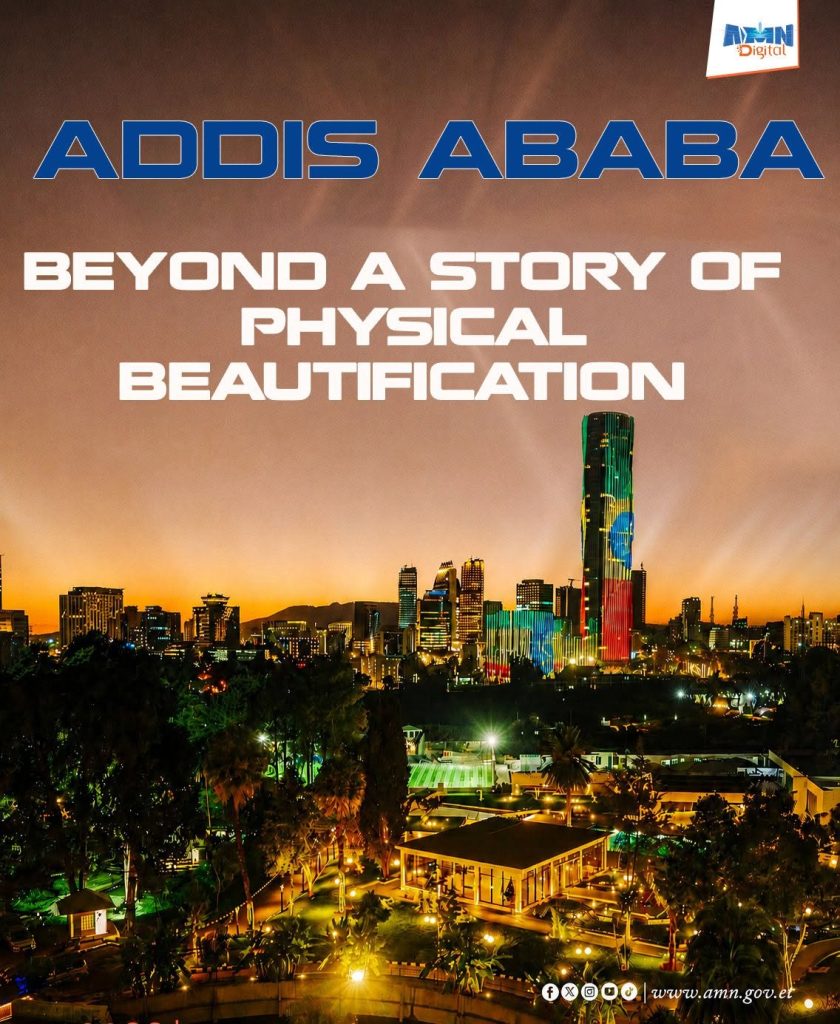
Once known primarily as the political and diplomatic heart of the continent, Addis Ababa is undergoing a remarkable transformation. Today, the Ethiopian capital is redefining itself as a vibrant tourism destination, one that combines history, culture, recreation, and modern urban development. No longer merely a stopover for international travelers, the new Addis Ababa is emerging as a destination in its own right.
For decades, many visitors arrived in the city for conferences, diplomatic engagements, or short transit stays before continuing to other destinations. While Addis Ababa’s historical significance and cultural richness were undeniable, its tourism potential remained largely untapped. That narrative, however, is changing rapidly. At the center of this transformation are the city’s ambitious urban renewal initiatives.
Among the most visible are the extensive corridor development projects that have reshaped the face of the capital. Designed with inclusivity and accessibility in mind, these developments feature wide pedestrian walkways, dedicated cycling lanes, improved public spaces, and infrastructure that accommodates persons with disabilities.
Residents and visitors alike can now experience the city in a safer, cleaner, and more enjoyable way, encouraging walking on foot and fostering a stronger connection with the urban environment.
Areas that were once characterized by pollution, waste accumulation, and environmental degradation have been converted into attractive green spaces and recreational corridors. Landscaped gardens, walking paths, public seating areas, and family-friendly facilities now offer people opportunities for relaxation and leisure within the heart of the city, while also contributing to environmental restoration and improved public health.
The emergence of major tourist attractions has further elevated Addis Ababa’s profile on the global stage. Destinations such as Friendship Square, Unity Park, Entoto Park, the Grand National Palace, the Science Museum, and the Adwa Memorial Museum have introduced visitors to a unique blend of Ethiopia’s rich heritage and contemporary aspirations. Together , these sites provide experiences that celebrate the nation’s history, showcase innovation, and offer panoramic views of a rapidly evolving capital.
As a result, international visitors are increasingly choosing to spend more time in Addis Ababa rather than simply passing through. Extended stays have generated growing demand for hotels, restaurants, tour operators, transportation services, and other hospitality businesses. This momentum has created new opportunities for investment while strengthening the city’s tourism value chain. The benefits extend beyond the tourism sector itself.
Increased visitor numbers and longer stays have contributed to higher foreign exchange earnings, supporting the country’s broader economic objectives. By becoming more attractive, organized, and technologically advanced, Addis Ababa has also enhanced its capacity to host international conferences, exhibitions, and high-profile events, reinforcing its status as Africa’s leading diplomatic hub.
Urban transformation has likewise translated into meaningful socioeconomic gains. The city’s development initiatives have created sustainable employment opportunities for thousands of residents, particularly young people and women. Jobs linked to park administration, sanitation services, landscaping, tour guide, hospitality, cultural enterprises, security services, and small-scale commerce have become important sources of income and livelihoods for many families.
The story of the new Addis Ababa is therefore more than a story of physical beautification. It is a story of renewal and reinvention. It is the story of a city that has transformed rivers into recreational spaces, streets into welcoming public corridors, and historic landmarks into world-class attractions.
From serving largely as a transit point for international travelers, Addis Ababa is steadily establishing itself as a premier destination, an African capital where heritage meets innovation, where diplomacy coexists with leisure, and where visitors are invited not merely to pass through, but to stay, explore, and experience its unfolding transformation.
By Birhanu Workneh