
AMN PLUS-September 4, 2026
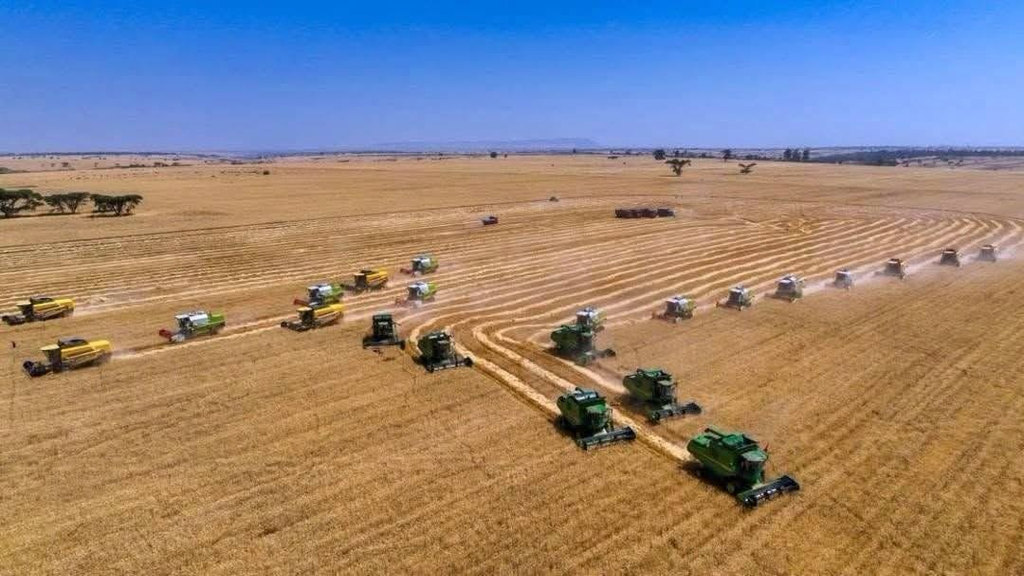
Over the past few years, Ethiopia has begun a historic journey to overcome the phase of dependency imposed on it by historical circumstances and to strengthen its capacity to produce through its own resources and achieve economic sovereignty. The results of this transition are highly encouraging, particularly as the country moves away from rain-dependent agriculture through the expansion of dry season wheat production, backyard vegetable and fruit exports, and the increasing use of modern agricultural machinery.
Beyond agriculture, the expansion of industrial parks, corridor development, and the adoption of digital technologies are reshaping the country’s economic structure in new ways.
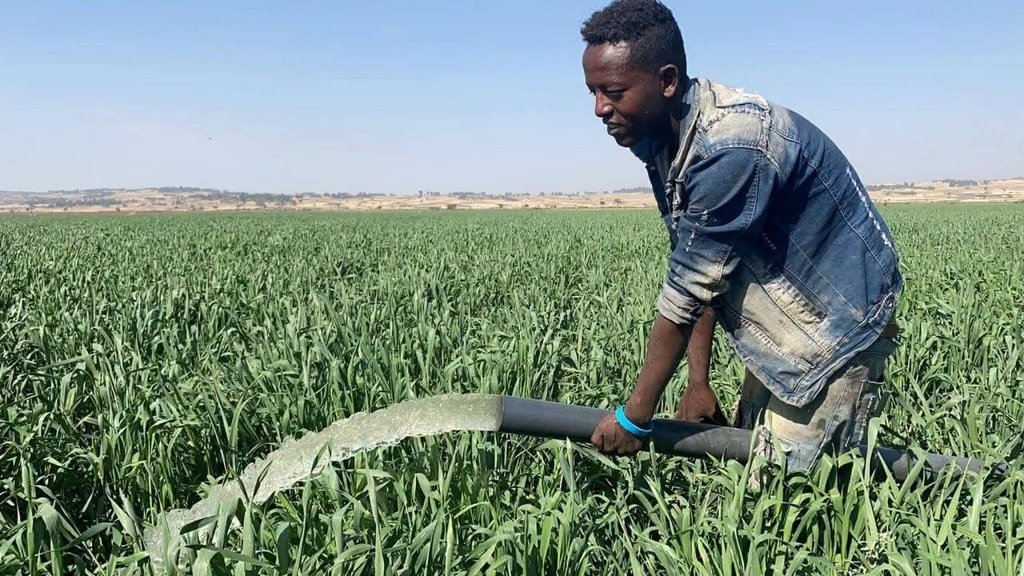
Efforts being undertaken to transform agriculture and ensure food sovereignty are yielding highly encouraging results. In particular, the progress witnessed in irrigation activities during both the rainy and dry seasons is particularly promising.
Ethiopia is gradually moving away from rain-dependent agriculture, registering encouraging results through dry season wheat production and other irrigation-based agricultural activities.
Moreover, in agricultural exports, vegetables and fruit products—particularly avocados—are playing an increasingly significant role in generating foreign currency.
Modern agricultural machinery, improved fertilizers, and agricultural extension services have substantially increased productivity.

In terms of the Green Legacy and economic recovery, the Green Legacy Initiative is creating a reliable and favorable environment for the agricultural sector, in addition to contributing to climate resilience and ecosystem restoration.
The expansion of industrial parks and the advancement of manufacturing are also elevating the industrial sector. Rather than exporting raw materials in their unprocessed form, greater emphasis is being placed on processing them domestically and supplying value-added products to the market.
Structural transformations and corridor development undertaken by cities such as Addis Ababa are creating favorable conditions for tourism and domestic investment.
The emergence of a new work culture that enables citizens to transition from consumers to producers, together with the role of digital service platforms such as Addis Mesob in streamlining services and creating a conducive environment for economic activity, are among the signs of this historic transformation.
By Leta Teresa