
Ethiopia’s lack of direct sea access which is lost through what officials describe as an illegal process continues to have significant repercussions on the country’s telecommunications sector.
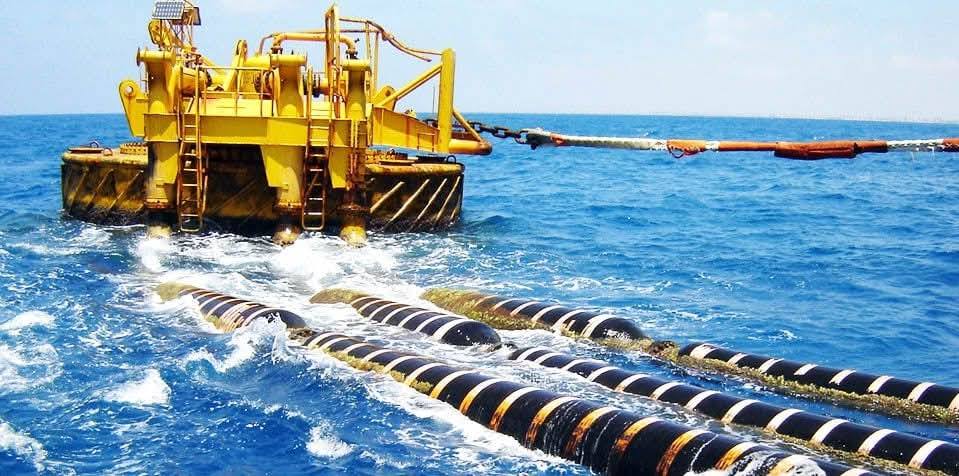
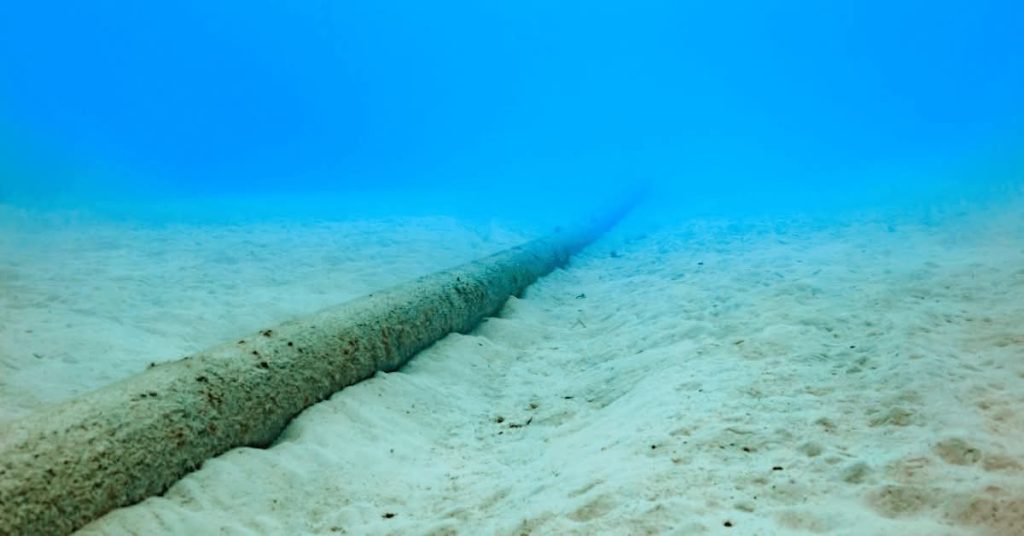
The major international internet traffic routes on which Ethiopia depends are delivered primarily through undersea cables.
Deputy Director General of the Ethiopian Communications Authority, Million Hailemichael said Ethiopia has increasingly relied on satellite links to receive data. However, the data transmitted through undersea fiber-optic cables has far higher capacity and these cables are capable of carrying far greater data volumes and providing superior service quality.
Million further explained that Ethiopia’s status as a landlocked country has restricted its ability to directly connect to global fiber-optic infrastructure. As a result, the country pays billions of dollars to neighboring states for sea access.
Ethiopia also acquires international fiber-optic connectivity through third-party providers, a process that incurs substantial costs. This situation, the deputy director noted, has created considerable negative impacts on the national telecom sector.
Resolving Ethiopia’s longstanding quest for seaport access would enable the country to establish direct links to global telecommunications infrastructure, significantly reducing operational expenses.
Strengthening the telecom sector, he emphasized, would not only allow Ethiopia to meet its domestic needs but also position the nation to provide telecommunications services to other countries.
According to data from the Ethiopian Communications Authority, more than 95% of Ethiopia’s internet traffic traverses the Red Sea and reaches the country through Djibouti.
By Birhanu Workneh
