
AMN Plus-August 19, 2026
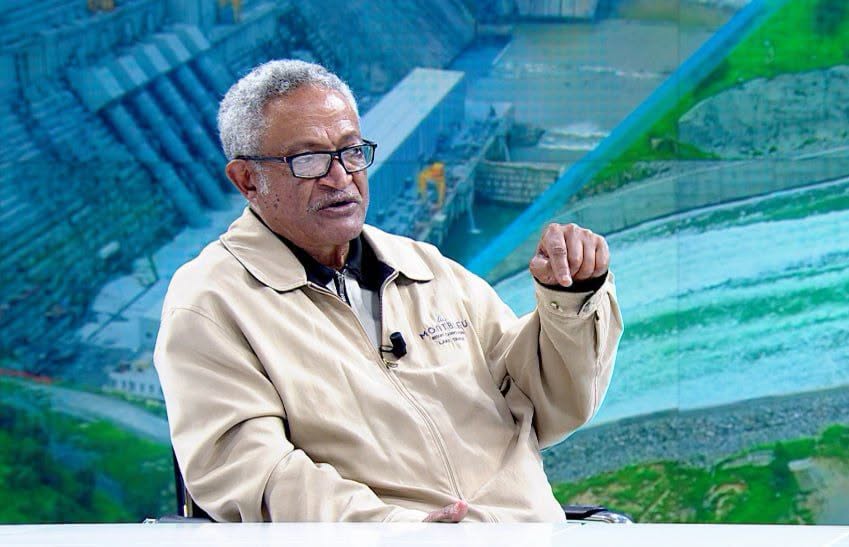
Egypt must abandon its long-standing posture of seeking exclusive control over Abay (the Nile) waters and recognize Ethiopia’s natural rights as the source of 86 percent of the river’s total volume, according to the geopolitical Elias Abiy.
In an exclusive interview with ENA, Elias Abiy, an expert in geopolitics and writer, highlighted that 135 million Ethiopians rely on these vital resources for their livelihoods and national development.
The analyst stressed that Cairo’s persistent attempts to block Ethiopian water utilization disregard both geographic reality and the principles of equitable water sharing. Cairo’s reluctance to engage in fair water sharing stems from an outdated approach that views the Nile through a lens of exclusive entitlement, he elaborated.

Despite Ethiopia generating the vast majority of the river’s volume through the Abay, Baro-Akobo, and Tekezé basins, Egypt has historically sought to restrict Ethiopian development initiatives, leveraging regional geopolitical tensions and international pressure to hinder hydro-development projects.
According to the expert, this obstructive approach has long ignored the clear environmental and technical advantages of Ethiopian water infrastructure. Storing water in the deep, cool valleys of the Ethiopian highlands drastically minimizes evaporation losses compared to vast desert reservoirs like Lake Nasser, which loses between 10 and 15 billion cubic meters of water annually to extreme heat.
‘‘Look at Lake Nasser behind the Aswan Dam. It covers nearly 6,000 km² in the Sahara Desert, one of the hottest regions in the world. It loses between 10 and 15 billion cubic metres of water a year through evaporation. That’s the equivalent of the entire flow of the Baro-Akobo into the White Nile. And with global warming, this evaporation is increasing even further.”
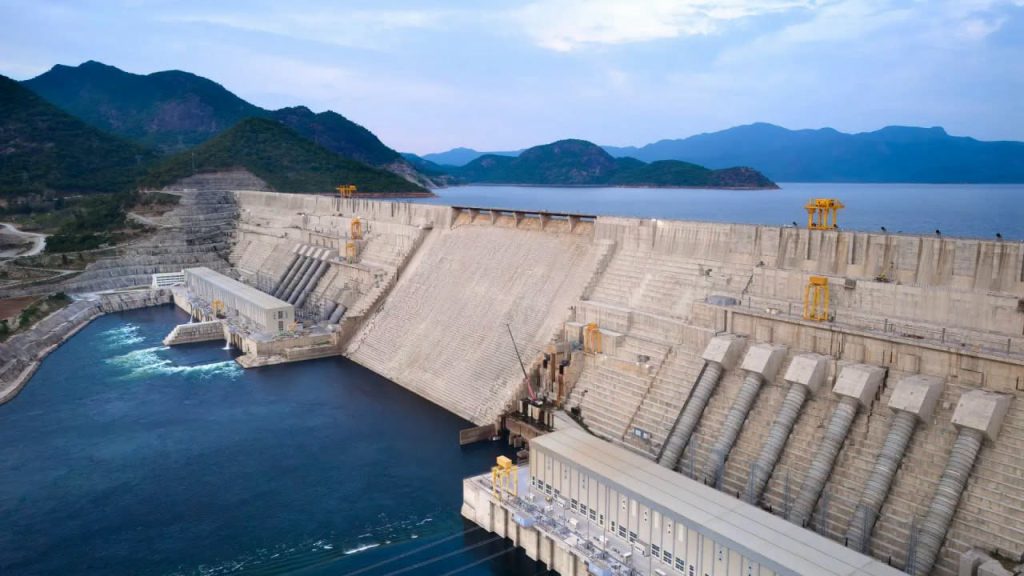
Addressing the nation’s strategic forward path, Elias emphasized that internal strength; rapid economic progress and national cohesion remain Ethiopia’s most effective answers to external resistance.
Accelerating comprehensive development and fostering open national dialogue naturally solidify stability, ensuring that a prosperous Ethiopia can serve as a dependable anchor for broader economic integration and peace across the Horn of Africa, according to ENA.