AMN Plus-June 10, 2026
An article written by ZEUDI Addis Shiferaw on Ethiopia’s 7th General Election has been featured on the Sudan Post website, highlighting key developments and perspectives surrounding the country’s electoral process.
The numbers alone were substantial: more than 54 million registered voters and roughly 52,000 polling stations across the country. But scale, by itself, does not make an election inclusive. Access does. In Ethiopia, the ideal of inclusivity is not a passive ideal but an active, meticulously planned, and passionately executed endeavor
Elections are often judged by the final result. But the real test starts much earlier. It starts with whether people can register, whether they can vote, whether complaints are heard, and whether institutions are willing to do the slow, unglamorous work that gives an election credibility. And above all, inclusivity in the democratic process. By ensuring every citizen, irrespective of gender, physical ability, or circumstance, had the opportunity to shape their future. Those are the details where Ethiopia’s 7th General Election deserves even more praise.
Inclusivity in any endeavor is strongest when everyone is considered important and their unique voices are included and valued. In this regard, indeed, Ethiopia has presented a powerful model for democratic participation and institution-building across the African continent.
The effort was straightforward: if people have the right to vote, institutions have a responsibility to make that right reachable. In this respect, citizens who had been displaced from their homes and members of the armed forces were not treated as an afterthought. The National Election Board of Ethiopia (NEBE) implemented groundbreaking measures, establishing special stations in internally displaced persons (IDP) camps and military bases, ensuring that citizens in vulnerable circumstances or serving the nation could exercise their fundamental right to vote.
This proactive approach extended to persons with disabilities, for whom enhanced accessibility and support were integral to the process. The same principle applied elsewhere in place to improve women’s participation in significant numbers, with more than 23 million female voters taking part. Farmers, civil servants, students, business owners, soldiers, and urban professionals all showed up. The electorate looked like the country itself.
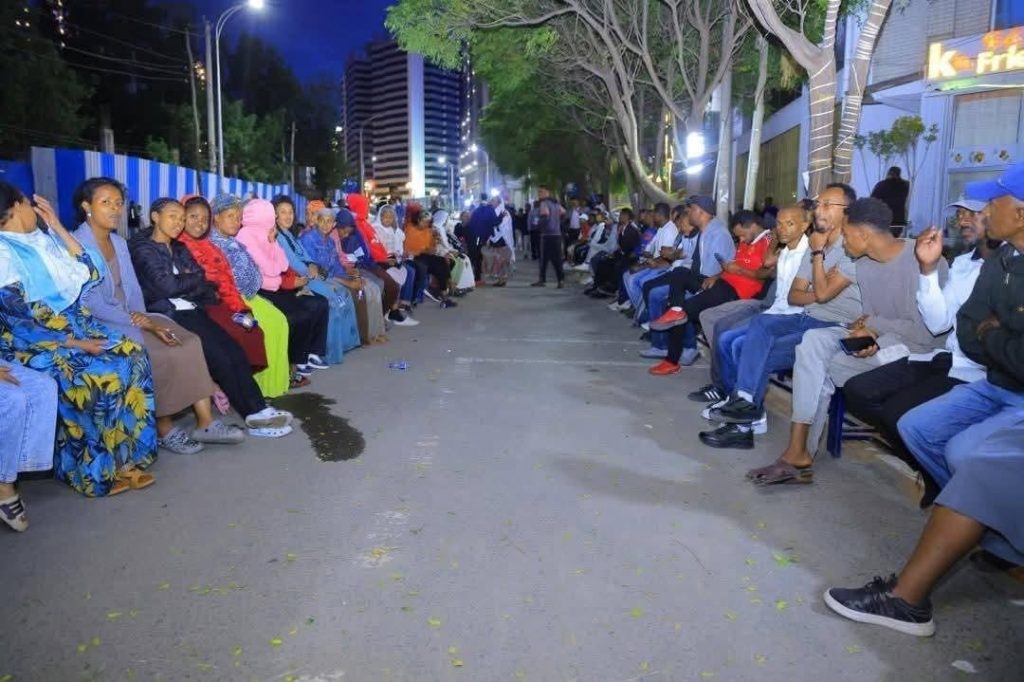
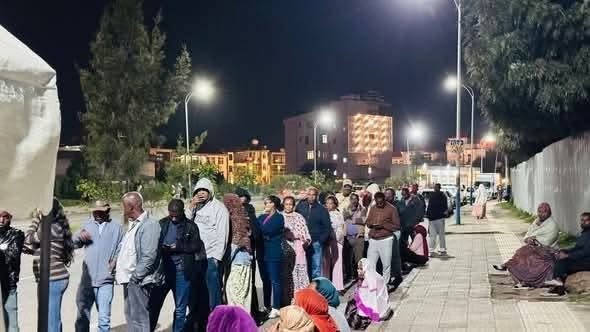
Early in the morning throughout the day up to midnight on June 1st, 2026, what stood out was not just who voted but how determined many people were to do so. Long lines stretched for hours. In some places, voters remained at polling stations well into the evening. Rather than shutting the process down on the clock, election authorities extended voting hours so those already waiting could cast their ballots. That matters because democracy is not strengthened by speeches about participation. It is strengthened when institutions adapt to reality and make participation possible.
The same approach could be seen after voting ended. Results went through auditing and verification procedures. Complaints were reviewed through legal channels. No election is free from disputes, but there is a difference between having disagreements and having no mechanism to deal with them. The value of institutions becomes most visible when they are tested. NEBE proved it.
The election was not conducted in a vacuum. There was misinformation online, speculation, and the familiar predictions of disorder. It’s bizarre and hilarious the level of some foreign analysts who spot every flaw from a mile away but somehow overlook and turn a deaf ear to those millions of Ethiopian voters, including persons with disabilities, showing up to take part in shaping their future. Selective outrage over the biased stories and partial empathy isn’t analysis.
Ethiopians, as always, were cognizant that optimal solutions are always attained from the inside, looking inward, not from the outside. On election day, millions of Ethiopians did what voters are supposed to do: they turned up, waited, flooded the polls, voted, and went home peacefully. Ethiopia and its unstoppable people have once again stunned the world, proving yet again that we are a proud mystery impossible for outsiders to predict or control.
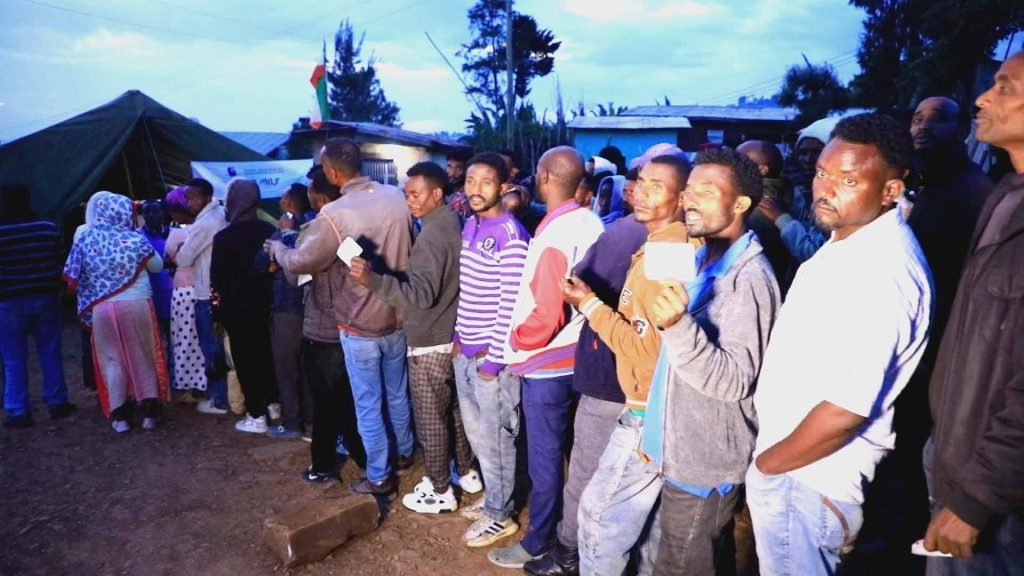
That reality was difficult to ignore. Observer missions from the African Union and IGAD observed throughout the process. The mission, along with the European Union and member states, pointed to the orderly conduct of the polls and the broad effort toward inclusion. The Ethiopian Human Rights Commission likewise described the process as stable and peaceful.
Bottom line, of course, no election is perfect. No serious democracy claims otherwise. But perfection was never the question.
The more important question was whether Ethiopia could continue expanding participation, bringing more citizens into the process, and strengthening confidence in its institutions. On that measure, the 7th General Election offered something worth noting.
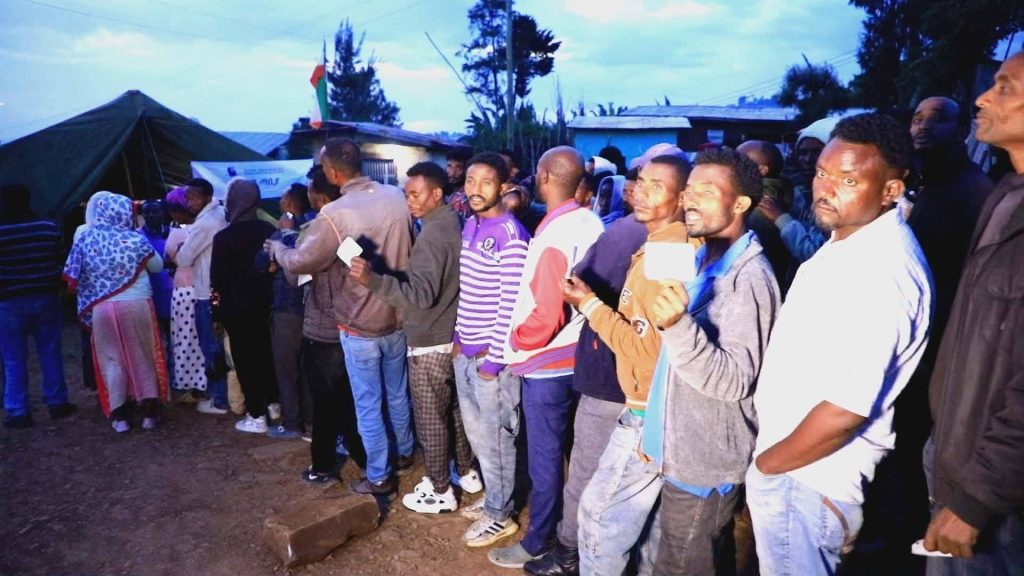
Inclusivity was not presented as a slogan. It was treated as a practical task. Register the voter. Open the polling station. Accommodate the displaced. Support those with disabilities. Hear complaints. Verify results.
That is the work that makes democracy real. And that is why this election drew attention beyond Ethiopia’s borders. For a continent often discussed in terms of democratic deficits, it offered a different story: that expanding participation is possible, that institutions can improve, and that democracy becomes stronger when more citizens can take part in it, according to Sudan Post.