AMN PLUS-October 1, 2026
Ethiopia is positioning itself as a major energy player in East Africa, combining large-scale renewable power generation with expanding cross-border electricity trade, domestic energy development and new regional infrastructure.
At the center of this transformation is Ethiopia’s vast renewable-energy potential. Hydropower remains the backbone of the country’s electricity system, complemented by wind, solar and geothermal resources. The government says more than 96 percent of Ethiopia’s current energy consumption is derived from renewable sources, reflecting its long-term strategy to expand clean energy while supporting industrialization and economic growth.
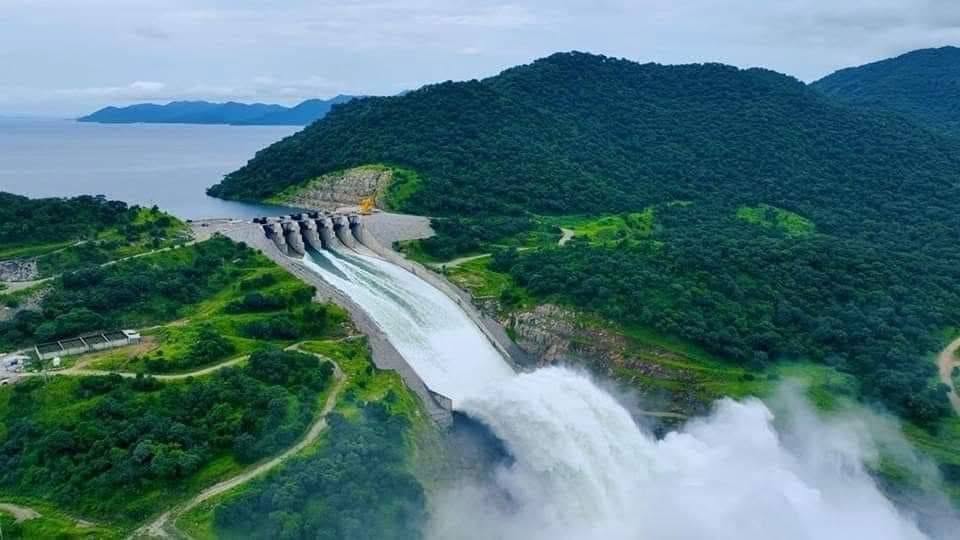
A cornerstone of this strategy is the Grand Ethiopian Renaissance Dam (GERD). The dam has become a major source of Ethiopia’s electricity generation and an important component of the country’s expanding role in regional power trade.
Ethiopia has increasingly connected its power system with neighboring countries through cross-border transmission infrastructure. It currently exports electricity to Kenya, Djibouti, Sudan and Tanzania, turning surplus renewable generation into a source of export revenue while strengthening regional electricity links.
The expansion of electricity trade is also creating greater interdependence among East African economies. Transmission networks now connect Ethiopia’s power system with neighboring markets, allowing countries with growing electricity demand to access renewable power generated in Ethiopia. Ethiopia, meanwhile, gains an additional export market and a broader economic role in the region.
The country is also seeking to reduce its dependence on imported fossil fuels by expanding electric mobility. Ethiopia introduced restrictions on the importation of internal-combustion-engine vehicles as part of a wider effort to reduce fuel-import costs and increase the use of domestically generated electricity.
Government plans have targeted a significant expansion in the number of electric vehicles and charging infrastructure.
Alongside its renewable-energy drive, Ethiopia is developing domestic oil and gas resources. In the Somali Region, the government has advanced the development of the Ogaden gas fields and launched projects aimed at using locally produced gas for energy and fertilizer production.
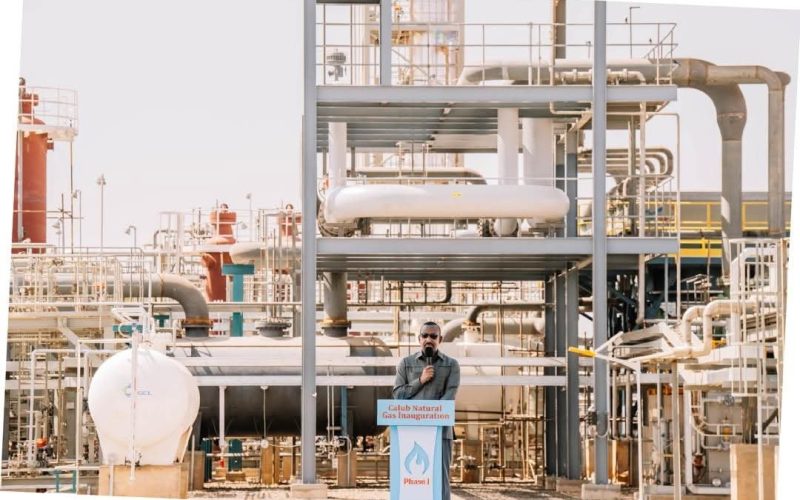
The first phase of the Ogaden Liquefied Natural Gas project in Calub was inaugurated in 2025, with an annual production capacity of 111 million liters, while a second phase is planned to significantly expand output. The project is also linked to planned power generation and fertilizer production, giving natural gas a role in Ethiopia’s broader effort to strengthen domestic energy and industrial capacity.
Another major component is the Gode Oil Refinery in Ethiopia’s Somali Region. The government laid the foundation stone for the refinery in 2025. The facility is planned to process crude oil and condensate from the Hilala oil field, with a projected annual refining capacity of 3.5 million tons. Together with the development of domestic gas resources, the refinery is intended to expand Ethiopia’s domestic energy-processing capacity.
Ethiopia’s energy strategy therefore extends beyond electricity generation. It combines renewable power, electric mobility, natural-gas development and domestic petroleum processing as the country seeks to reduce exposure to imported energy and support industrial expansion.
At the regional level, this strategy is unfolding alongside major infrastructure projects designed to reshape East Africa’s energy and trade networks.
One such project is the multibillion-dollar Lamu Petroleum Refinery in Kenya. Prime Minister Abiy Ahmed travelled to Kenya on September 30 for the groundbreaking ceremony of the Dangote-backed refinery, located along the Lamu Port-South Sudan-Ethiopia Transport (LAPSSET) corridor. The Lamu facility is a refinery designed to process crude oil and supply refined petroleum products, including petrol, diesel and aviation fuel, to markets in East Africa.
Once operational, the refinery is expected to provide an additional regional source of refined petroleum for countries including Ethiopia, while strengthening trade and transport links along the LAPSSET corridor.

Speaking at the groundbreaking ceremony, Prime Minister Abiy described the project as a step toward strengthening energy security and regional economic integration. He also called for greater investment in Africa, arguing that the continent needs to expand its capacity to process its own resources and develop industries that can support long-term economic growth.
“The future of Africa is something that we shall have to build together,” the Prime Minister said.
The Lamu project thus adds another dimension to Ethiopia’s evolving energy position. While Ethiopia is expanding its role as an exporter of renewable electricity, it is simultaneously developing domestic oil and gas resources and seeking access to additional regional sources of refined petroleum.
Taken together, these developments point to a broader energy strategy, expanding clean electricity generation, strengthening domestic energy production and processing, increasing regional electricity exports, and improving access to petroleum infrastructure.
Prime Minister Abiy Ahmed said Kenya’s Lamu refinery will provide Ethiopia with an additional regional source of refined petroleum, broadening its supply options while creating new opportunities for trade and investment.
Speaking at the groundbreaking ceremony attended by African Heads of State and Government, industrialist Alhaji Aliko Dangote, ministers, ambassadors and other dignitaries, Prime Minister Abiy described the project as a significant step toward strengthening energy security and advancing regional economic integration in East Africa.
He noted that much of the fuel powering African economies has for years been refined outside the continent, leaving countries exposed to disruptions and volatility in global markets.
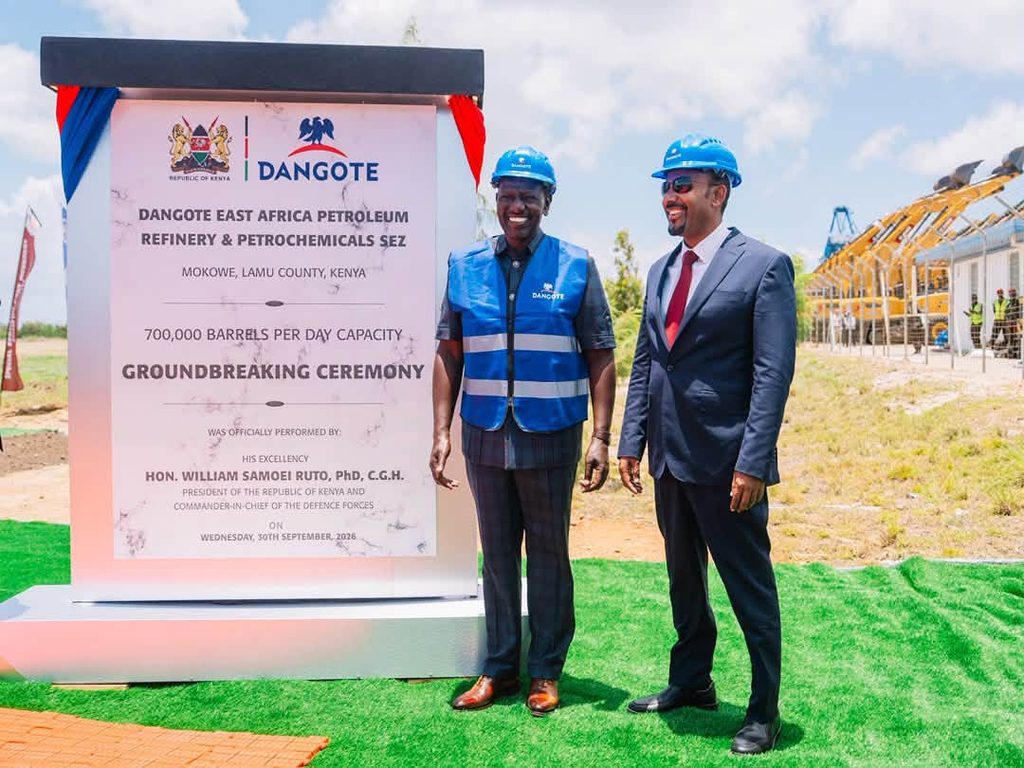
As reported by ENA, since African cities expand and industries grow, the Premier said rising demand for fuel makes it increasingly important to develop refining capacity closer to regional markets and build more resilient supply systems.
“The Lamu refinery offers a way to change that balance,” he said, noting that the project would bring refining capacity closer to African consumers and add significant capacity to the region.
“For Ethiopia, an additional regional source will broaden our supply options and create new opportunities for trade and investment,” PM Abiy said.
He added that the refinery’s significance would extend beyond fuel production, as related industries could emerge around the facility. Its location within the Lamu Port-South Sudan-Ethiopia Transport (LAPSSET) Corridor, he said, could further strengthen connections between production centers and regional markets.
Prime Minister Abiy commended Kenyan President William Ruto for advancing an infrastructure project with significance beyond Kenya, saying such investments can help deepen economic integration among neighboring countries.
He also praised Alhaji Aliko Dangote for bringing his experience in developing large-scale African industrial enterprises to the project, citing his investments in cement, fertilizer and refining as examples of the industrial capacity needed to drive Africa’s economic transformation.
Addressing business leaders, the PM said East Africa should be seen not only as a market but also as a place to produce, build and create value.
He stressed that the lasting impact of a project of this scale should be measured by the opportunities it creates—from technological knowledge and new enterprises to skilled employment and pathways for the next generation.
“Young Africans should not remain observers of projects such as this. They should become their engineers, technicians, entrepreneurs, and leaders,” the Premier said.

Prime Minister Abiy said the convergence of national leadership, private enterprise and regional cooperation could transform what the region produces and strengthens Africa’s capacity to meet its own growing needs.
“Ethiopia welcomes this development,” he said, expressing hope that the Lamu refinery will serve Kenya while contributing to Africa’s broader drive to produce more of what it consumes.
According to Dangote Group, the launch of Kenya’s 16-billion USD Lamu oil refinery marks a new chapter in Africa’s industrialization, with the 700,000-barrel-per-day facility demonstrating the continent’s growing capacity to build its own industrial future.
For Ethiopia, the objective is not limited to generating more energy. It is also about building the infrastructure, industrial capacity and regional connections needed to support a growing economy while gradually reducing the costs and risks associated with dependence on imported energy.
By Leta Teresa