
AMN Plus-August 26, 2026
The Abay River is central to Ethiopia’s development ambitions, national sovereignty, and vision for regional cooperation. The Grand Ethiopian Renaissance Dam (GERD) is not only an energy project but also a cornerstone of Ethiopia’s economic transformation and its ambition to expand electricity access, trade, and deeper integration across the Nile Basin.
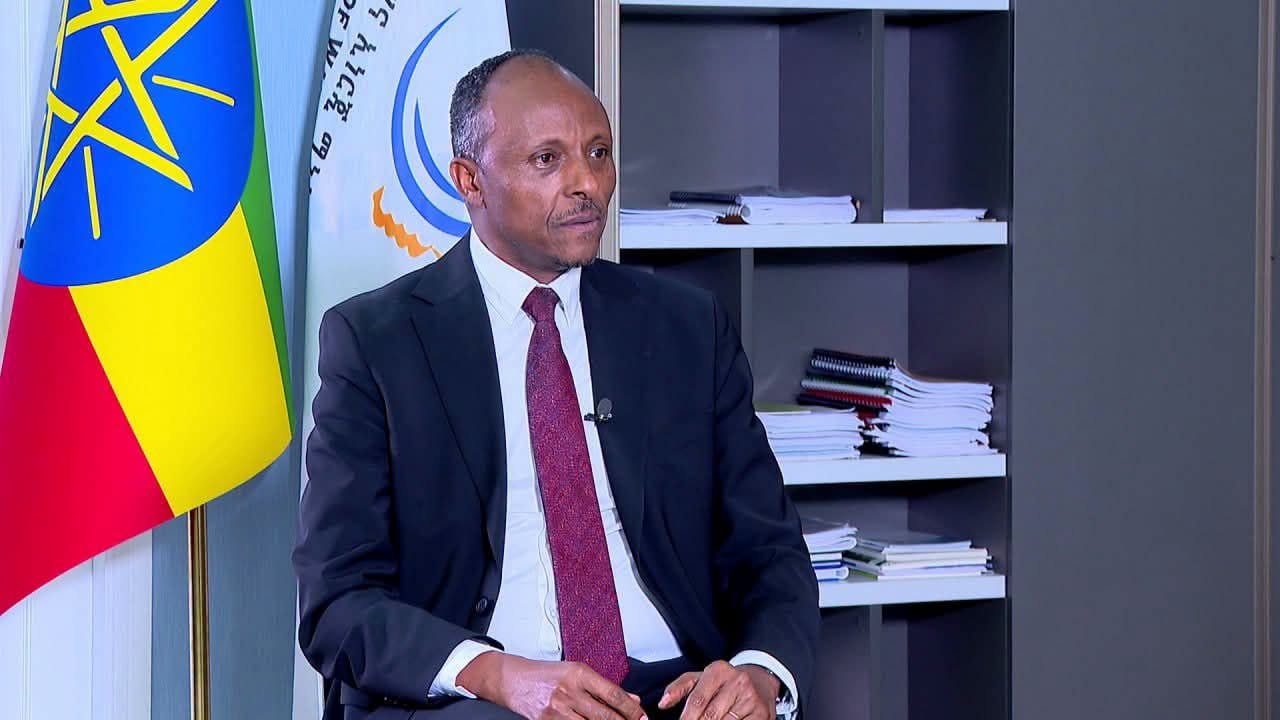
In an exclusive interview with Pulse of Africa, Eng. Habtamu Itefa (PhD), Minister of Water and Energy of the Federal Democratic Republic of Ethiopia, reflected on the country’s longstanding efforts to utilize the resources of the Nile Basin and its major tributaries, including the Tekeze, Baro, and Abay rivers.
The minister said Ethiopia’s forefathers had long dreamed of harnessing the country’s abundant water resources for development. Over the years, significant investments have been made in economic development, environmental protection, and social infrastructure to advance this vision.
He noted that previous governments made considerable efforts to develop Ethiopia’s water and energy resources, but external pressures and other challenges prevented many projects from being realized in line with the country’s aspirations.
Today, however, Ethiopia takes pride in having built the GERD, the largest hydropower dam in Africa, largely through its own resources and the contributions of its citizens.
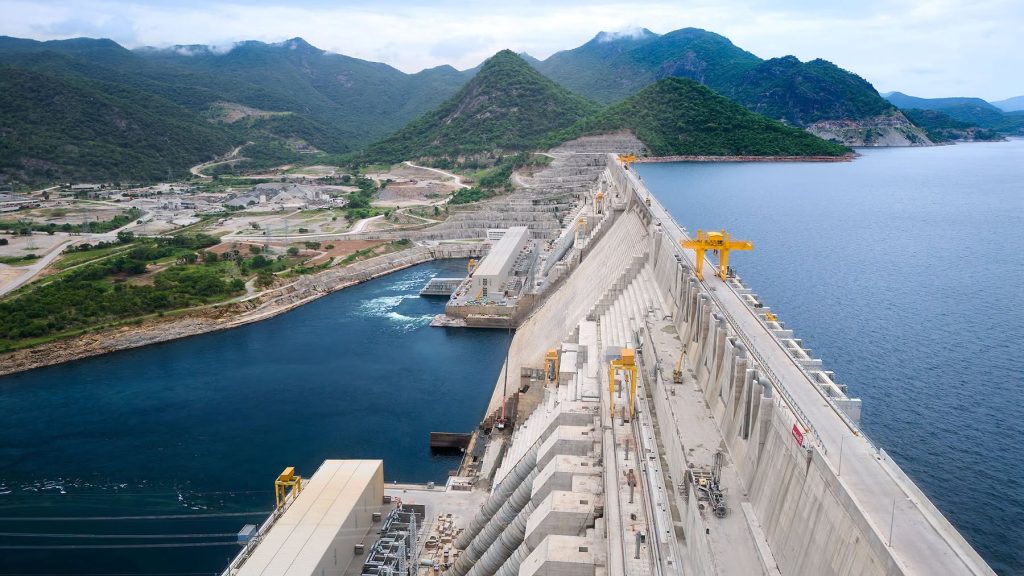
According to Minister Habtamu, the GERD has also become a powerful symbol of national unity. He emphasized that the dam was designed purely for hydropower generation and that its location on the Blue Nile reflects Ethiopia’s intention to use its water resources in a way that contributes to the prosperity of the wider region.
“Building such a huge dam, especially on the Blue Nile, where we have the largest amount of water contributing to the Nile, means taking the appropriate direction toward the prosperity of the entire region,” the minister said. “It is not only Ethiopia that will benefit; our brothers and neighbors in the Nile Basin will also benefit.”
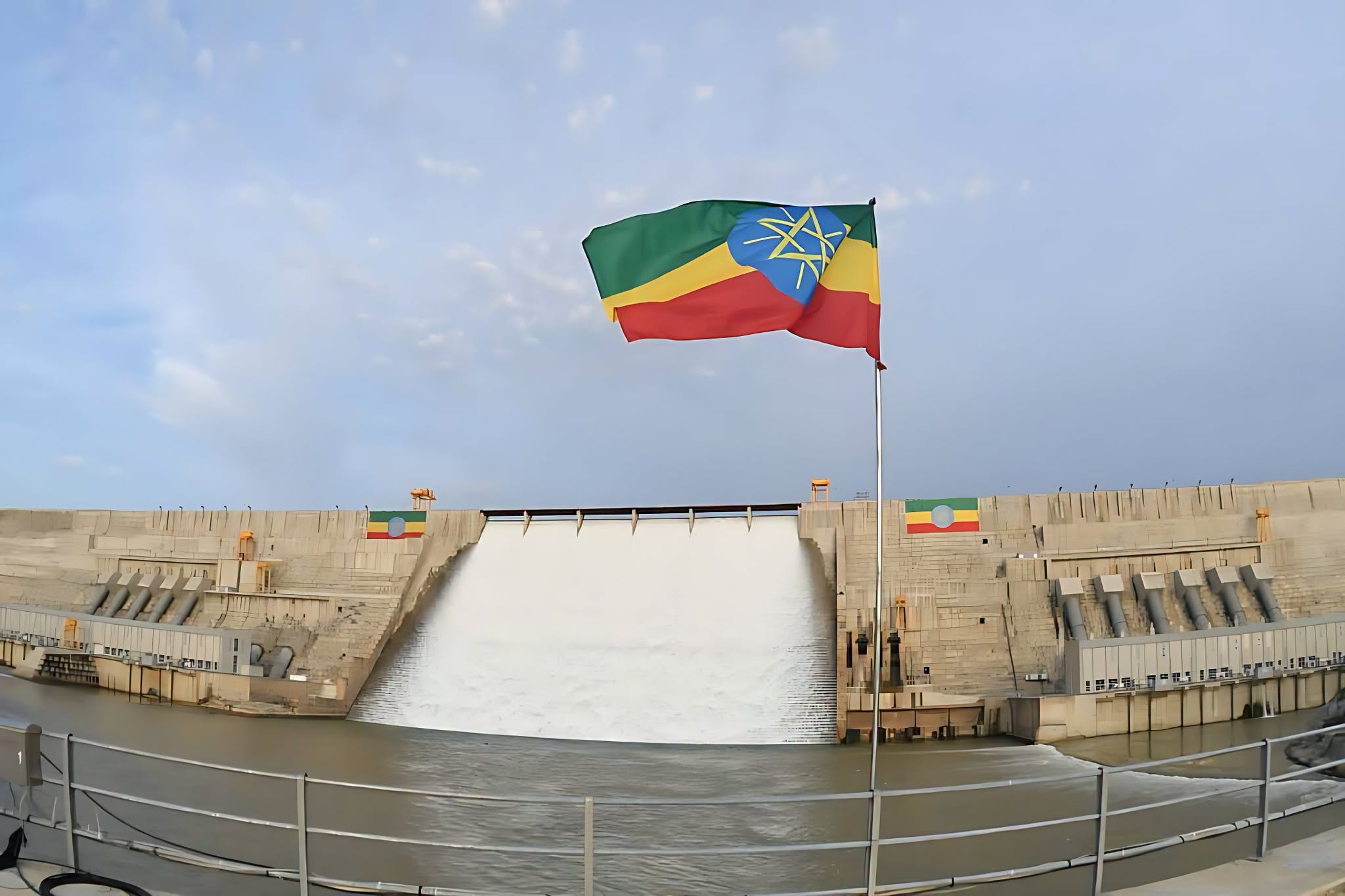
Following the GERD’s inauguration at full capacity in September 2025, Ethiopia has been able to generate a significant amount of electricity, according to the minister. He said the power generated is intended not only to meet domestic demand but also to support neighboring countries, including Djibouti, Kenya, Tanzania, and others where demand for electricity continues to grow.
The minister stressed that the benefits of the GERD extend beyond Ethiopia’s borders, describing the project’s regional impact as an important example of how Ethiopia’s investments can generate wider economic and developmental benefits.
“Beyond the power connections that we are making with our neighbors, the other advantage is that hydropower is a green energy source,” he said.
He emphasized that hydropower is a clean and renewable source of energy, making it increasingly important as countries around the world seek alternatives to fossil fuels and work to reduce pollution and carbon emissions.
According to Minister Habtamu, Kenya is already seeking more electricity than Ethiopia can currently supply, reflecting the growing demand for reliable power across the region. He added that there is also significant demand from Somalia and South Sudan, although some of these countries are not yet connected to Ethiopia’s electricity network.
Ethiopia is increasingly positioning itself as a regional power hub, supplying electricity to neighboring countries while expanding its own generation capacity.
The minister said that Ethiopia’s electricity-generation capacity has nearly doubled over the past six years. Previously, the country’s generation capacity stood at roughly 4.6 gigawatts, or about 4,600 megawatts. Today, it is approaching 10 gigawatts, he said.
“This amount of power-generation capacity is secured, and it is being used both for Ethiopians and for our neighbors,” Minister Habtamu said.
He emphasized that Ethiopia’s expanding energy capacity is creating opportunities not only for domestic economic transformation but also for stronger regional connectivity, trade, and cooperation across the Horn of Africa and the wider Nile Basin.
By Birhanu Workneh