AMN Plus-May 31, 2026
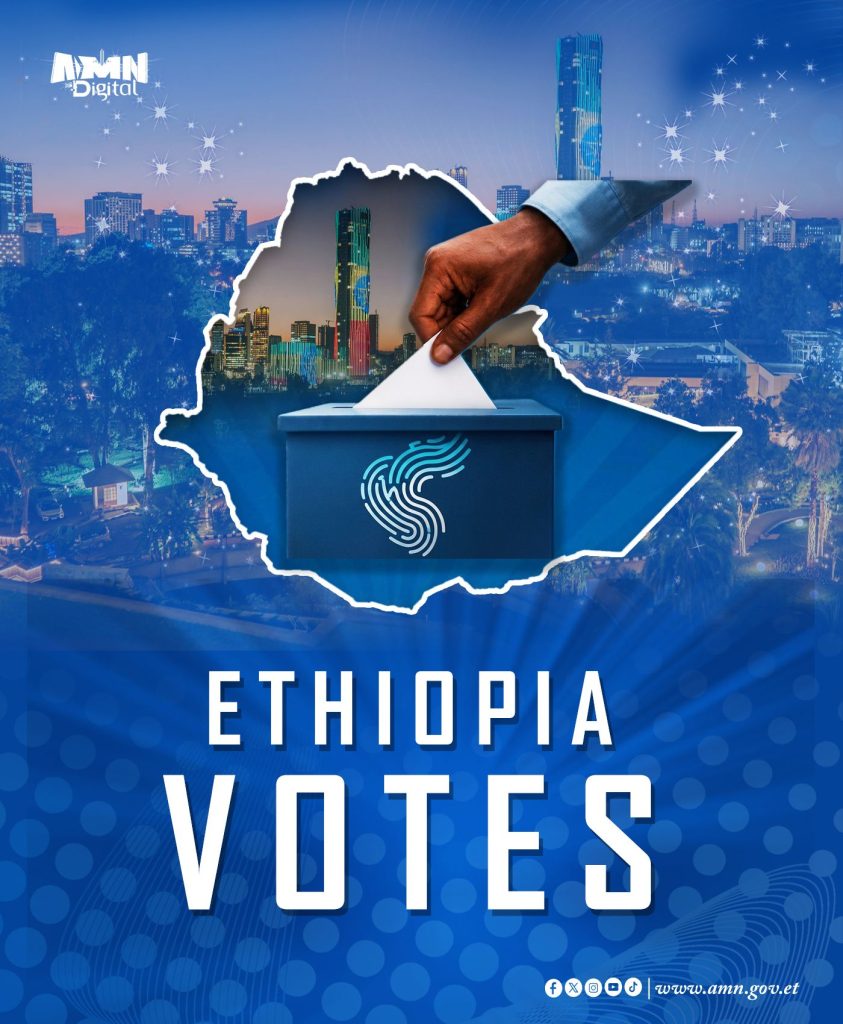
The fact that more than 54 million citizens have obtained voter registration cards for Ethiopia’s 7th General Election stands as a significant testament to the Ethiopian people’s confidence in the country’s democratic system and electoral institutions.
In an era when voter registration and electoral participation are declining in many parts of the world, such a remarkable level of engagement demonstrates the strong commitment of Ethiopians to democratic governance and their determination to contribute to the nation’s political future through the ballot box.
This unprecedented voter turnout during the registration phase underscores a growing democratic consciousness among citizens. It reflects the public’s recognition that elections are a vital mechanism for expressing political preferences, influencing public policy, and shaping the leadership that will guide the country’s development.
The willingness of millions of Ethiopians to register and prepare to cast their votes signifies not only confidence in the electoral process but also a collective desire to strengthen democratic culture through active civic participation.
Ethiopia is a country endowed with a rich history, ancient civilization, and a diverse social fabric. As a nation where numerous nations, nationalities, and peoples have lived together for generations, it has consistently demonstrated resilience, unity, and an enduring capacity to overcome challenges. Throughout its history, Ethiopia has preserved its sovereignty, maintained its national identity, and continued its journey of state-building despite various political, economic, and social obstacles.
The active participation of millions of citizens in the electoral process further reinforces this legacy and highlights the people’s commitment to shaping the country’s future through peaceful and democratic elections
The electoral process also serves as an important platform for strengthening national cohesion and fostering a sense of shared responsibility. By participating in elections, citizens affirm their role in determining the direction of the country and contribute to the consolidation of democratic governance. Such broad public engagement enhances the legitimacy of democratic institutions and encourages greater accountability within the political system.

Equally noteworthy is the active involvement of political parties throughout the election period. The participation of numerous political parties in public debates, policy discussions, campaign events, and voter outreach activities demonstrates the continued expansion of democratic space and political pluralism in the country.
The opportunity for parties to freely present their programs and visions to the electorate, while allowing voters to evaluate competing ideas and make informed choices, is one of the fundamental pillars of a functioning democracy.
The election campaign period has also provided a valuable opportunity for citizens to engage with political issues, compare policy alternatives, and discuss matters of national importance. Such interactions contribute to the development of a more informed electorate and encourage constructive political dialogue, which is essential for the long-term growth of democratic culture.
Furthermore, the extensive election-related activities conducted across the country, including voter education programs, campaign events, public forums, and media engagements, have helped increase public awareness and participation. These efforts have contributed to creating an environment in which citizens can exercise their democratic rights and responsibilities with greater confidence and understanding.
The registration of more than 54 million voters, the active participation of political parties, the high level of public interest, and the widespread election campaigns taking place throughout the country all point to a vibrant electoral process that reflects key democratic principles and practices. These developments indicate that Ethiopia is making meaningful progress in strengthening its democratic institutions, expanding political participation, and fostering a culture of civic engagement.
As the nation prepares for its 7th General Election, the strong enthusiasm demonstrated by voters, political parties, and other stakeholders serves as an encouraging sign for the future of democracy in Ethiopia. It reflects a shared commitment to resolving political differences through peaceful, constitutional, and democratic means, while laying a stronger foundation for inclusive governance, national unity, and sustainable development.
The ongoing electoral process therefore represents not only an important democratic exercise but also a significant step in Ethiopia’s broader journey toward building a more resilient, participatory, and robust democratic system.
By Birhanu Workneh