AMN Plus-August 18, 2026
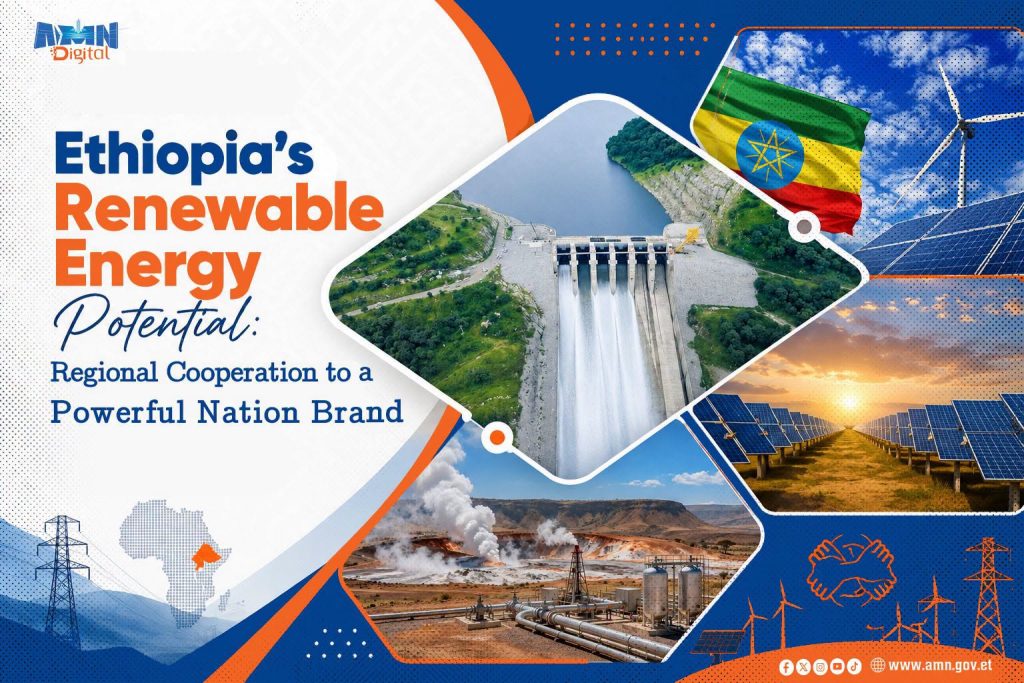
Ethiopia’s renewable energy potential extends far beyond meeting domestic electricity needs or supporting regional power cooperation. With abundant hydropower, solar, wind, and geothermal resources, the country has a unique opportunity to position itself as a leading clean-energy hub in Africa, and to transform renewable energy into a powerful instrument of nation branding.
For decades, Ethiopia’s hydropower resources, particularly those of the Abay River Basin, have been at the heart of the country’s development ambitions. Today, however, the significance of these resources is taking on a much broader meaning.
Clean energy can become an important part of Ethiopia’s international identity, presenting the country not only as a nation endowed with abundant natural resources, but also as a country determined to use those resources to promote sustainable development, regional connectivity, technological innovation, and a greener future.
Ethiopia’s renewable energy story is particularly compelling because it connects natural abundance with national ambition. Its vast hydropower potential, combined with growing investments in solar, wind, and geothermal energy, provides a strong foundation for expanding electricity access at home while creating opportunities to supply clean power to neighboring countries.
Regional electricity interconnection can strengthen economic ties, improve energy security, and demonstrate Ethiopia’s potential to contribute to Africa’s broader energy transformation.
Yet Ethiopia’s greatest opportunity may lie beyond electricity exports alone. Renewable energy can become a defining element of the country’s nation brand.
In today’s increasingly competitive global environment, countries are distinguished not only by the products and services they offer, but also by the stories they tell about who they are and what they contribute to the world.
Ethiopia can build a distinctive global narrative around its renewable energy resources and its ambition to use them to advance inclusive, sustainable, and climate-resilient development.
Reliable and affordable clean electricity can support industries, agriculture, manufacturing, digital infrastructure, transportation, urban development, and innovation. At the regional level, interconnected power systems can strengthen cooperation and economic integration. At the global level, Ethiopia can showcase its renewable energy journey as evidence of its commitment to a cleaner and more sustainable future.
In an interview with the Ethiopian News Agency,
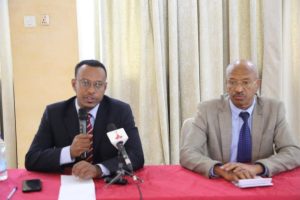
Minister of Water and Energy Engineer Habtamu Itefa (PhD) said the country’s renewable energy development is part of a broader green economic development agenda, one that links energy generation with development, development with economic growth, and economic growth with regional integration.
The Minister explained that the integrated development of renewable energy resources is helping Ethiopia build an energy system capable of supporting growth in industry, agriculture, urban development, and the digital economy.
The development of diverse renewable energy sources is also enabling Ethiopia to diversify its electricity generation, strengthen energy security, improve sustainability, and create a stronger foundation for long-term economic growth.
Among the country’s major milestones is the Grand Ethiopian Renaissance Dam (GERD), which the minister described as a new chapter in Ethiopia’s energy development history and a project built through the collective contribution of citizens and national capacity.
The GERD’s electricity generation capacity is expected not only to help meet Ethiopia’s growing domestic energy needs but also to create opportunities for expanding electricity exports and strengthening economic integration with neighboring countries. In this sense, energy is becoming more than an input for Ethiopia’s economic development.
It is increasingly emerging as an instrument of trade, diplomacy, regional cooperation, and economic integration.
Ethiopia is entering a new phase in which its strategic natural resources can help secure its own energy future while contributing to East African energy connectivity and Africa’s wider economic integration.
The country is already expanding electricity interconnections with Djibouti, Kenya, and other neighboring countries, while preparations are underway to extend power supplies and energy infrastructure to countries including South Sudan and Somalia. These interconnections have the potential to strengthen energy security across the region, support economic activity, and deepen relationships among neighboring countries.
Electricity exports are also generating economic benefits for Ethiopia by creating a new source of foreign-exchange earnings and reinforcing the country’s position as a regional energy hub.
Ultimately, Ethiopia’s renewable energy resources should be viewed not merely as an economic asset, but as a strategic national brand asset.
The country has an opportunity to tell a powerful story: a nation blessed with rivers, sunshine, wind, and geothermal resources, and determined to transform those natural advantages into sustainable development and shared prosperity.
The story is therefore no longer simply about generating electricity. It is about building an identity. It is about presenting Ethiopia to Africa and the wider world as a country that is turning its natural wealth into clean energy, economic opportunity, regional connectivity, and a more sustainable future.
Ethiopia’s renewable energy potential can power more than homes, industries, and economies. It can power a new national narrative, one in which clean energy becomes not only a source of electricity, but also a powerful symbol of Ethiopia’s progress, ambition, and contribution to Africa’s future.
By Leta Teresa