
AMN PLUS – September 17/2026
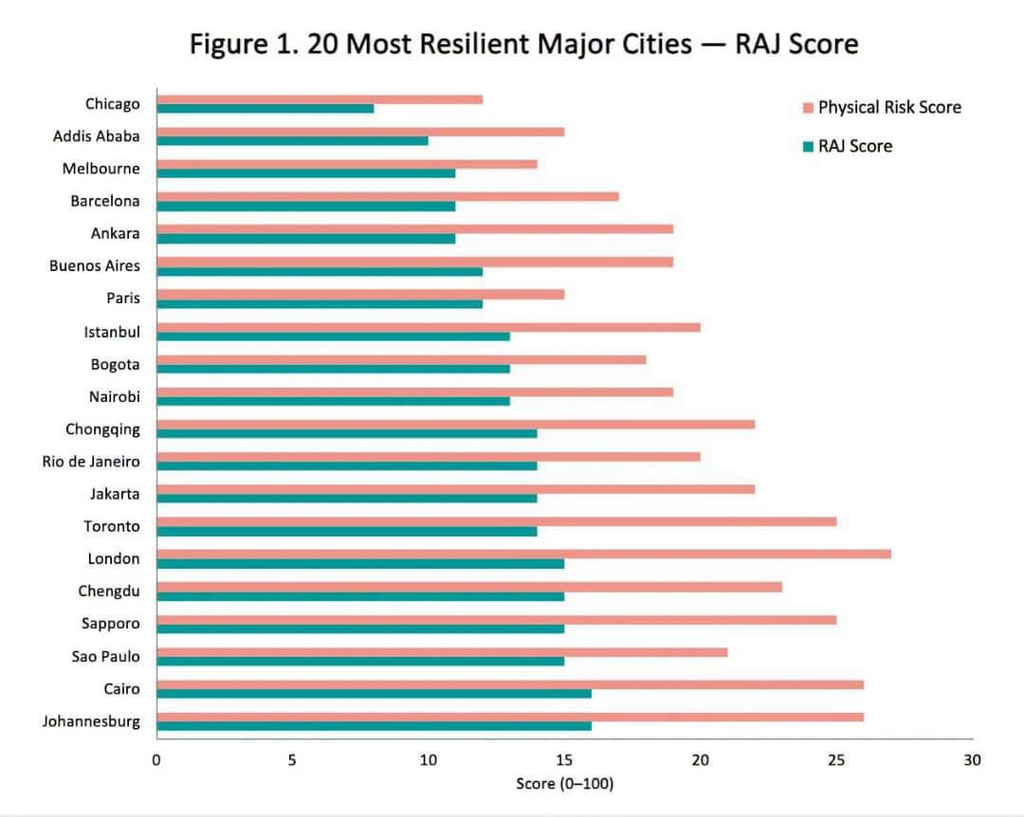
Addis Ababa has been ranked as the second city in the world and the leading city in Africa as a low-risk, safe, and climate-resilient city.
The geospatial company Alpha Geo assessed the city of Addis Ababa primarily based on three key criteria. The assessment focused on physical climate change, vulnerability to hazards, and the management and policy responses to potential disasters, as well as measures taken to adapt to climate change.
Based on these criteria, Addis Ababa was assessed alongside 72 other cities and ranked second, serving as an example for cities around the world.
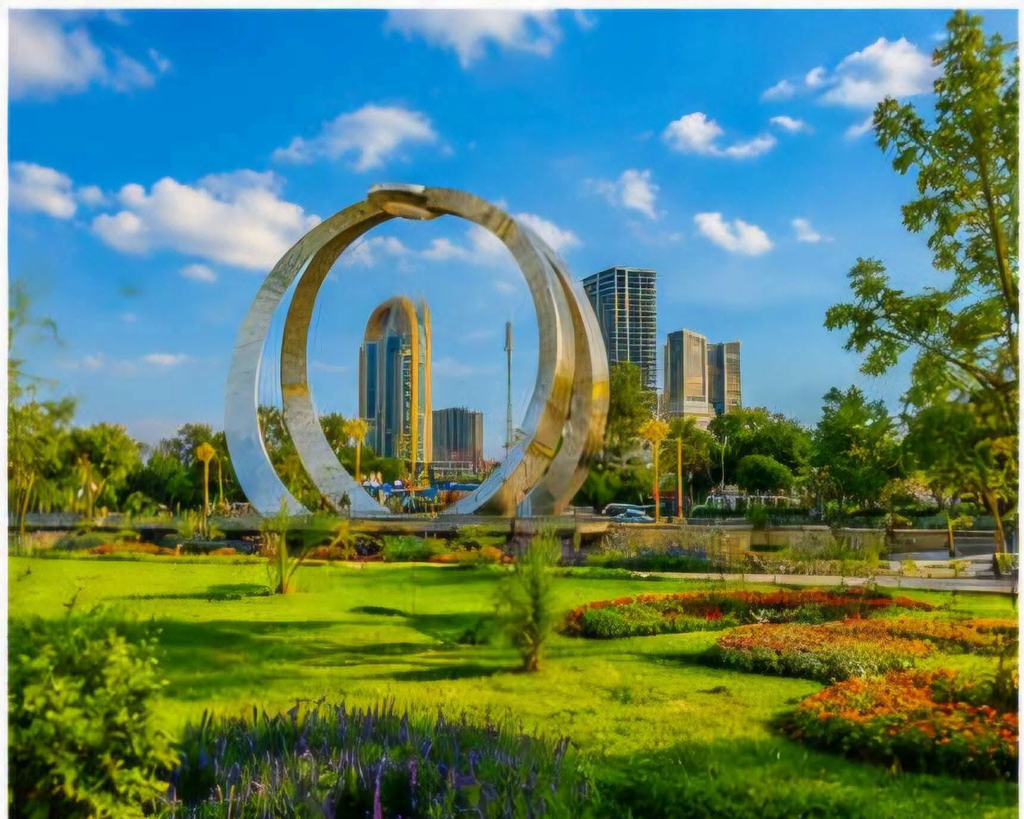
Addis Ababa, a city that has been ranked second only to Chicago in the United States among the world’s leading cities in terms of resilience to climate vulnerability, ahead of cities widely regarded as global centers of civilization such as Paris and London, has achieved this position through the corridor and riverside development projects it has undertaken, as well as the modern infrastructure it has developed.
Addis Ababa is not only drawing international attention as a comfortable city for its residents; beyond livability, it is a secure city with low disaster vulnerability and high climate resilience.
According to the Office of the Mayor of Addis Ababa, this recognition from the international geospatial firm Alpha Geo serves as a vital resource for policymakers, investors, and infrastructure developers when making decisions regarding the city.
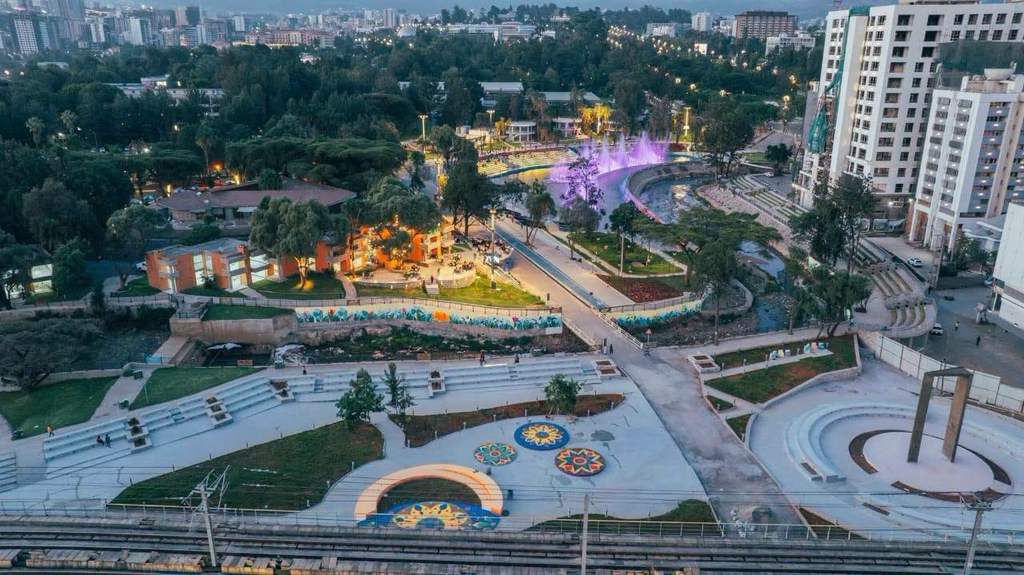
Cities around the world are currently experiencing rapid population growth, which brings new demands that require swift responses. Guided by this principle, Addis Ababa’s riverside and corridor development initiatives have earned the city global recognition. Notably, the Addis Ababa riverside development project—spanning 59 kilometers across eight rivers—provides comprehensive solutions to multiple urban challenges.
Developing rivers offers benefits that go far beyond aesthetic enhancement: it prevents water pollution, mitigates flood risks, and reduces urban temperatures. Furthermore, it creates spaces where residents can enjoy clean air, engage in physical fitness activities, and refresh their minds.
By Leta Teresa