AMN PLUS-October 5/ 2026
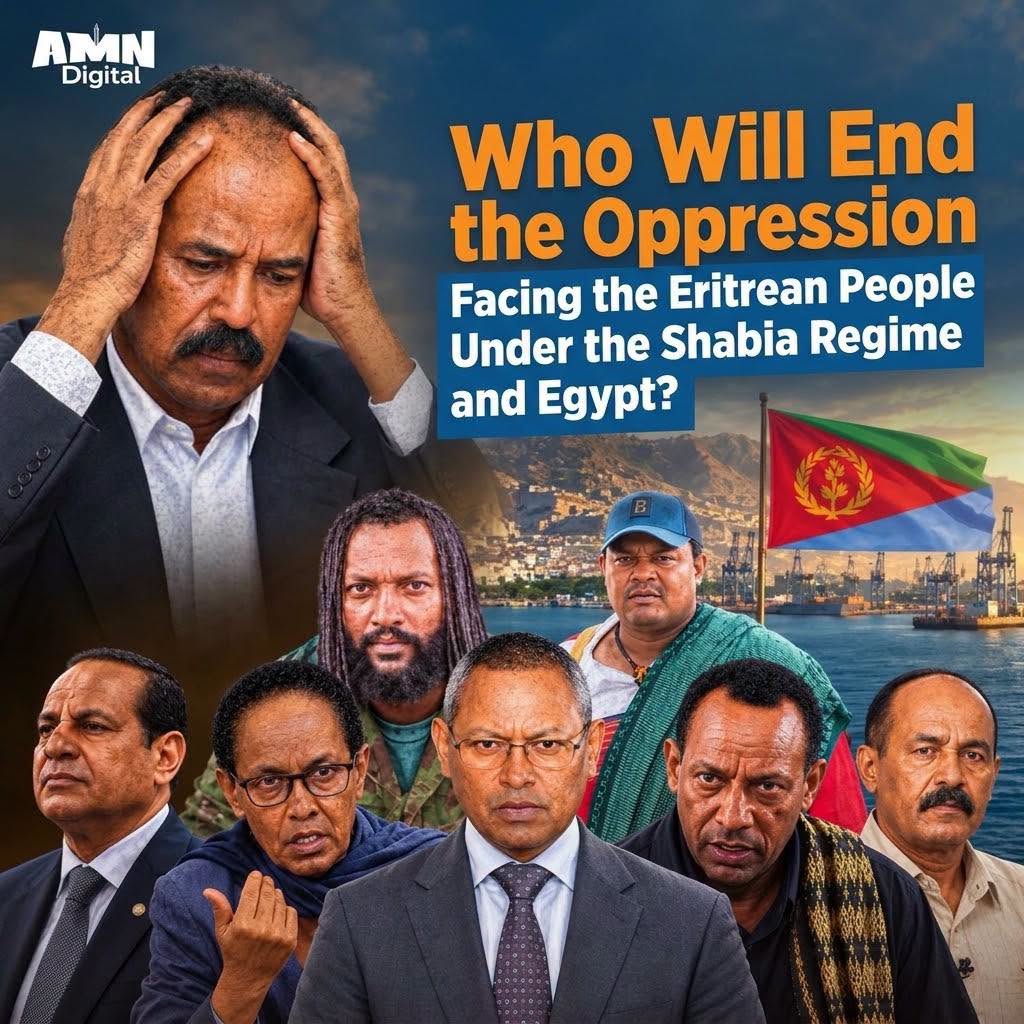
The longstanding alliance between Egypt and the Shabia regimes is increasingly understood not as one aimed at ensuring the development and peace of the Eritrean people, but as an effort to block Ethiopia’s strategic access to the Red Sea and hinder its development.
If the objective had been to develop Eritrea, its people would not have remained deprived of the development they have long yearned for, while the country’s infrastructure and political system have been left in such a backward state.
It is evident that the current administration’s lack of interest also indicates an absence of genuine commitment to establishing a democratic system in Eritrea, ensuring a peaceful transfer of power, and safeguarding the rights and freedoms of its people.
The Shabia regime, despite its historical and close ties with Ethiopia, is abandoning its large and resource-rich neighbor, Ethiopia, and, by carrying out Egypt’s agenda, is waging a campaign against Ethiopia in cooperation with groups opposed to peace and development.
In addition to supporting the illegal TPLF and armed groups operating inside Ethiopia, Shabia leaders have been working in cooperation with Tsimdo to obstruct the rapid development Ethiopia has been achieving.
Although various forms of pressure have been exerted on Ethiopia over the past 60 to 70 years, Ethiopia, a country with a proud history of heroism on the world stage, is now taking concrete measures to reaffirm its greatness.
The cooperation between Shabia and Egypt appears aimed not at bringing change to the Eritrean people, but at depriving Ethiopia of access to the Red Sea, which it had used for decades; preventing the construction of the Grand Ethiopian Renaissance Dam; and obstructing lasting peace and development in Ethiopia.
Scholars have stated that Egypt’s role in Eritrea’s separation from Ethiopia was driven not by concern for the peace, development, and prosperity of the Eritrean people, but by an objective to divide and weaken Ethiopia, a country with a great nation, noble people, and a grand vision, in order to achieve their own harmful strategic goals.
Today, Eritrea’s backwardness in terms of peace and development compared with other African countries, as well as the fact that it has been governed by a single regime for decades without elections, clearly demonstrates it is far from democratic governance.
Concrete evidence indicates that aging leaders have focused primarily on extending their time in power and protecting their personal interests, rather than creating employment opportunities for Eritrean youth, building industries, and expanding development infrastructure.
Although Eritrea has a long coastline and ports capable of contributing significantly to its economic development, these resources have not been developed for the benefit of its people.
At present, Eritreans living in Ethiopia and other parts of the world enjoy greater freedoms and rights than many Eritreans living in Asmara. This can be presented as evidence that Eritrea has faced severe oppression under the Shabia regime, with Egypt also playing a role in the situation.
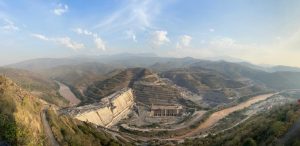
Ethiopia, drawing on its historic heroism and the unity of its citizens, has successfully completed the Grand Ethiopian Renaissance Dam. It is now in the final stages of preparing to reclaim its former access to the sea, which it lost through the machinations of Egypt and Shabia.
Ethiopia is working to ensure sustainable and lasting peace and development across all regions of the country. It is also effectively thwarting attempts by groups such as the illegal TPLF and armed groups, with the support of Tsimdo, to create instability and disrupt the country through military activities.
By Leta Teresa