AMN Plus- August 4, 2026
CNN has spotlighted Ethiopia’s ongoing economic transformation in a special edition of its Connecting Africa program, showcasing the country’s efforts to diversify its economy through major investments in energy, mining, tourism, infrastructure, and industrial development.
The report noted that while Ethiopia has long been renowned for producing some of the world’s finest coffee, the country is now pursuing broader economic ambitions by expanding into new strategic sectors, including renewable energy, mining, tourism, and large-scale infrastructure projects.
According to CNN, Ethiopia is investing heavily in industries expected to drive its future growth and strengthen its position as a regional economic powerhouse. The report also highlighted the transformation of Addis Ababa, describing the rapidly developing capital as a reflection of the country’s wider economic vision and modernization efforts.
CNN further noted that Ethiopia is home to nearly 140 million people, making it one of Africa’s largest and fastest-growing nations.
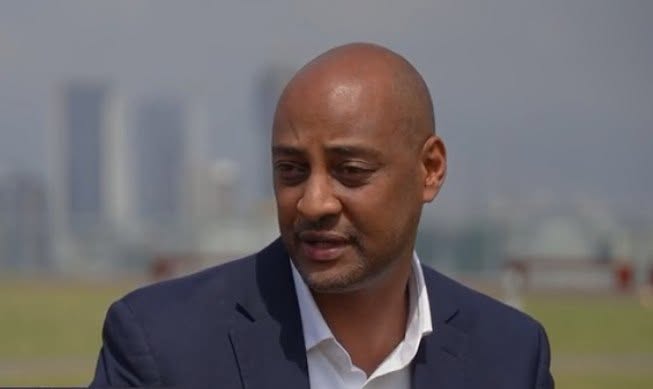
In an exclusive interview with CNN, Tewodrose Mekonnen, Country Manager of the International Growth Center, emphasized Ethiopia’s significant demographic advantage.
“Ethiopia is the second most populous country in Africa. Nearly 48 percent of the population is under the age of 15, while about 70 percent is under the age of 30,” he said.
Mekonnen also highlighted the country’s remarkable economic progress over the past decade and a half.
“If you measured Ethiopia’s economy 15 years ago, it was well below the Sub-Saharan African average in terms of GDP and GDP per capita. Today, it has grown into one of the five or six largest economies in Africa. The progress has been remarkable,” he stated.
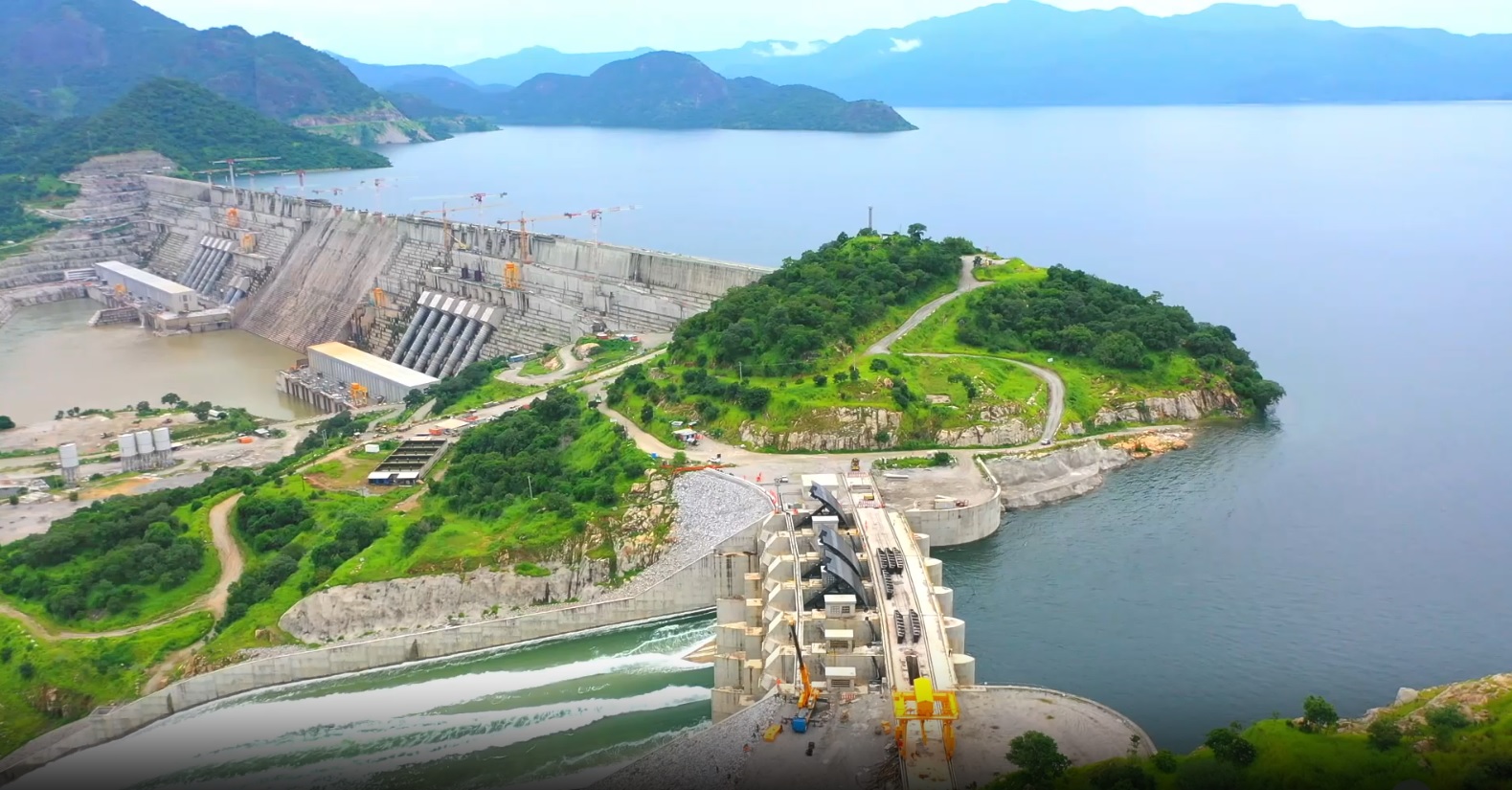
CNN attributed much of Ethiopia’s recent economic momentum to the completion of the Grand Ethiopian Renaissance Dam (GERD), Africa’s largest hydroelectric power project. The report described the dam as one of the continent’s most significant engineering achievements, built over more than 14 years by thousands of engineers and construction workers who transformed a remote valley along the Blue Nile River.
Standing 145 meters high and stretching 1.8 kilometers in length, the GERD is now one of Africa’s most iconic infrastructure projects.
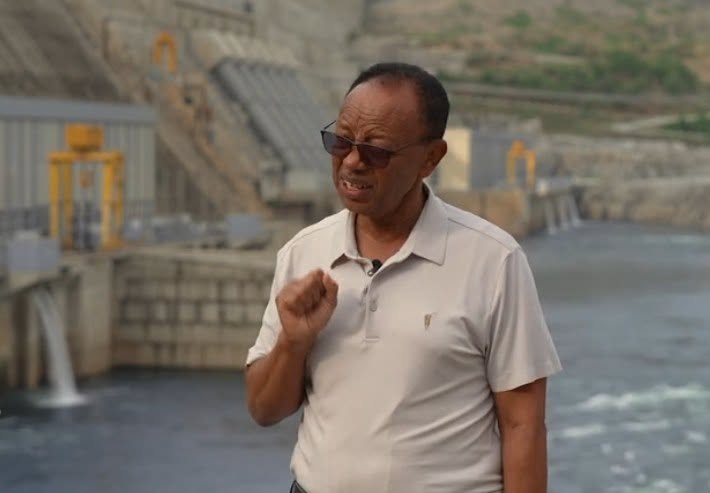
Speaking exclusively to CNN, GERD Project Manager Engineer Kifle Horo said the hydropower plant has an installed generation capacity of approximately 5,150 megawatts.
“From a capacity standpoint, this power plant can generate around 5,150 megawatts of installed capacity, contributing more than 50 percent of the country’s electricity generation,” he said. CNN reported that construction of the GERD began in 2011 and was officially completed and inaugurated in September last year.
Reflecting on the challenges faced during construction, Engineer Kifle noted that transporting heavy equipment to the remote project site was among the most demanding tasks.
“The site is about 1,400 kilometers from the Port of Djibouti. Transporting oversized cargo sometimes took between 60 and 90 days before it reached the construction site,” he explained.
CNN also highlighted that the approximately five-billion-dollar project was financed entirely by Ethiopians through public contributions, government-issued bonds, and state funding.
“The GERD is a self-financed project. We did not receive a single coin from outside Ethiopia. The entire project, valued at between 4.2 and 5 billion U.S. dollars, was funded solely through the contributions of the Ethiopian people and government,” Engineer Kifle Horo told CNN.
By Birhanu Workneh