

AMN PLUS-March 7/2026
Ethiopia’s location in the Horn of Africa gives significant geo-strategic value, linking the Middle East, Europe, and Asia. In this context, Ethiopia’s pursuit of seaport access is aimed at creating mutually beneficial regional connectivity with neighboring countries.
With a population of around 130 million, Ethiopia requires diversified options to sustain its long-term economic growth and development. Securing access to a seaport would not only support economic expansion but also strengthen regional stability.
As a country widely regarded as a pillar of peace in the Horn of Africa, Ethiopia’s access to a seaport could contribute to efforts to curb terrorism, piracy, and illegal trafficking in the region.
Geographically, Ethiopia lies less than 60 kilometers from the Red Sea, highlighting the practical significance of seeking reliable maritime access.
Meanwhile, the country’s economy has been expanding in recent years following reforms, leading to growing import and export activities. This increasing trade volume clearly demonstrates the need for additional and diversified seaport options.
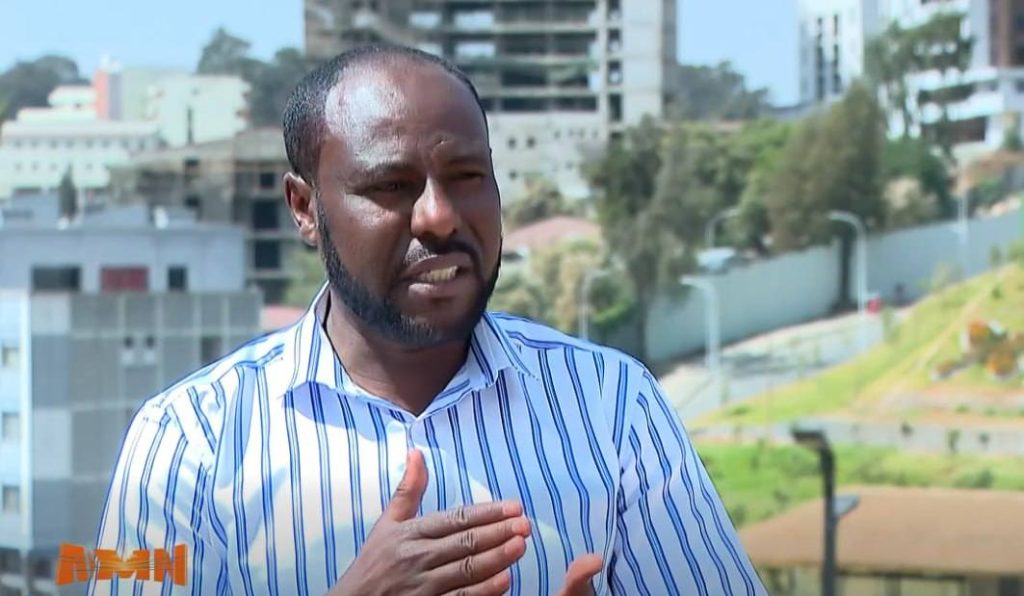
Peace and security analyst Mulugeta Ayele (PhD), speaking to AMN, noted that the country’s large and growing workforce, economic growth, historical ties, and natural resources all reinforce the importance of securing seaport access.
He pointed out that discussions on the issue are gaining momentum and that there is a broad recognition of the country’s need for maritime access.
Recalling that Ethiopians have historically achieved significant milestones through unity, the analyst stressed the importance of establishing an independent institution dedicated to advancing Ethiopia’s seaport quest within a short timeframe.
He suggested forming a Red Sea Port Ministry, similar to the Renaissance Dam Project Coordination Office, to coordinate public engagement and national efforts on the issue.
Mulugeta also highlighted the importance of preparing research and policy documents to inform and guide the public. Universities and scholars have already begun discussions on the matter, and he added that religious institutions and broader society should also engage in dialogue to help develop a clear and cohesive concept on the the matter.
By Leta Teresa