

AMN Plus-June 2/2026
According to the National Election Board of Ethiopia (NEBE), the scale of the country’s 7th General Election is reflected in a series of significant figures. More than 54 million registered voters are casting ballots nationwide, while 42 political parties are contesting in the election.
A total of 10,438 political party candidates and 80 independent candidates are competing for the election processe. To facilitate the voting process, 52,000 polling stations have been established across the country and 359,000 election officials have been deployed.
The election is also being monitored by international and regional observers, including 59 accredited African Union (AU) election observers and 26 observers from the Intergovernmental Authority on Development (IGAD). In addition, 68 media institutions have been accredited to cover the polls, alongside 12 international media organizations approved to report on the election.
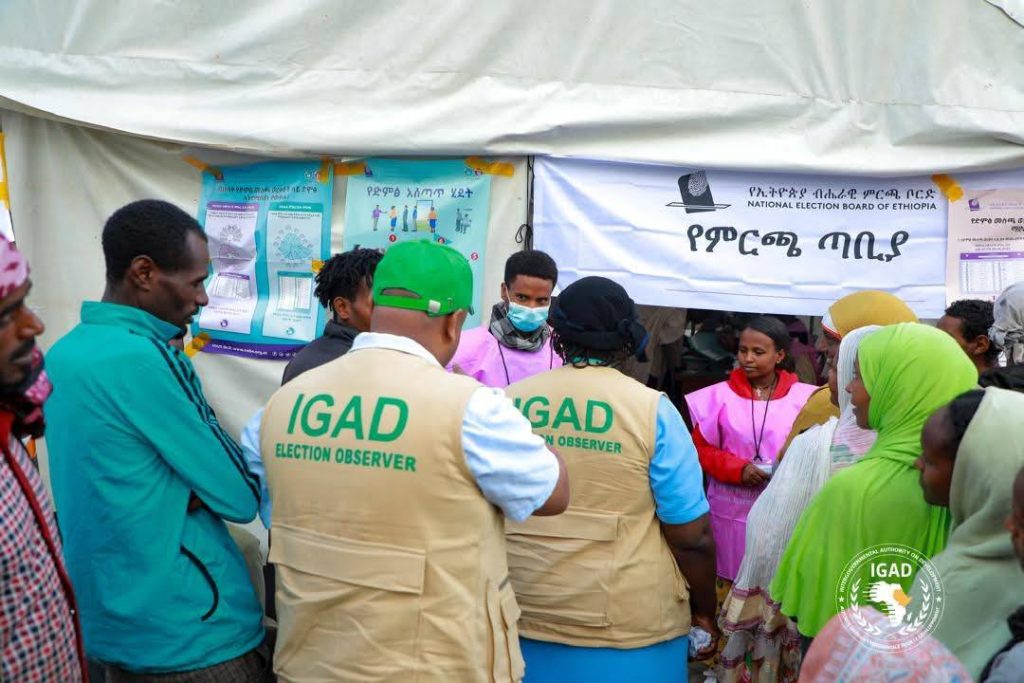
Ethiopia’s 7th General Election is far more than a national voting exercise, it represents a pivotal moment in the country’s democratic journey and a significant test of democratic governance in one of Africa’s largest and most influential federations.
As Africa’s second-most populous nation and a strategic anchor in the Horn of Africa, Ethiopia plays a crucial role in shaping political, economic, and security dynamics across the region. Consequently, developments within Ethiopia often resonate well beyond its borders.
The election provides millions of citizens with the opportunity to exercise their constitutional right to choose their representatives and contribute to the country’s political future. It also serves as an important measure of the strength, inclusiveness, and credibility of Ethiopia’s democratic institutions and electoral processes.
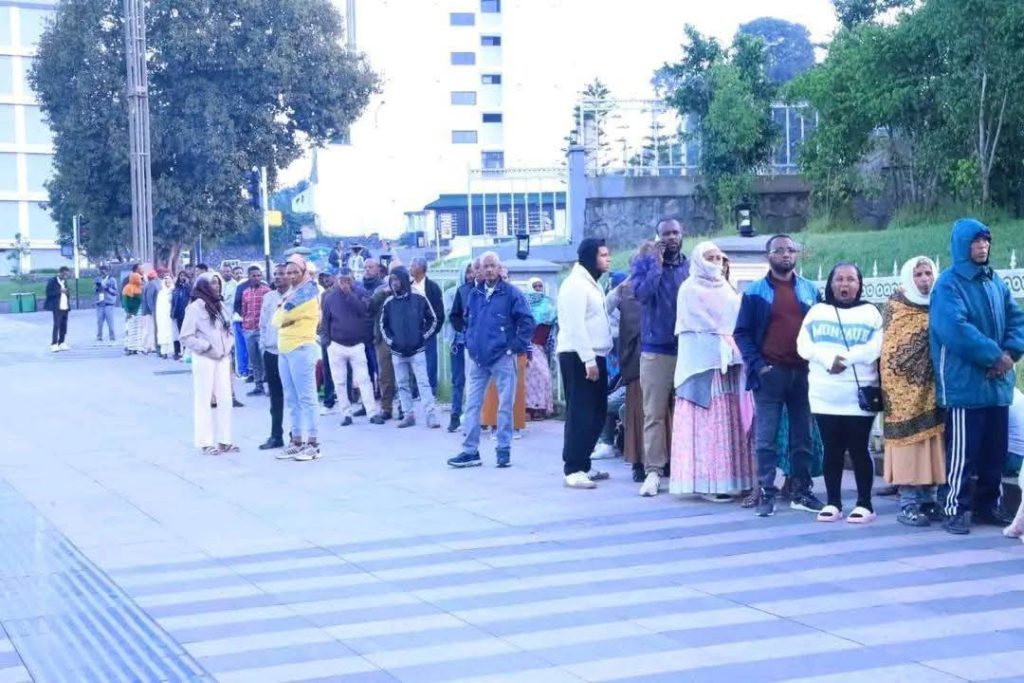
Given Ethiopia’s size, diversity, and regional importance, the outcome and conduct of the election are being closely observed by domestic stakeholders, regional organizations, and the international community.
As voters head to the polls, the election stands as a defining chapter in the nation’s ongoing efforts to strengthen democratic participation, political representation, and constitutional governance.
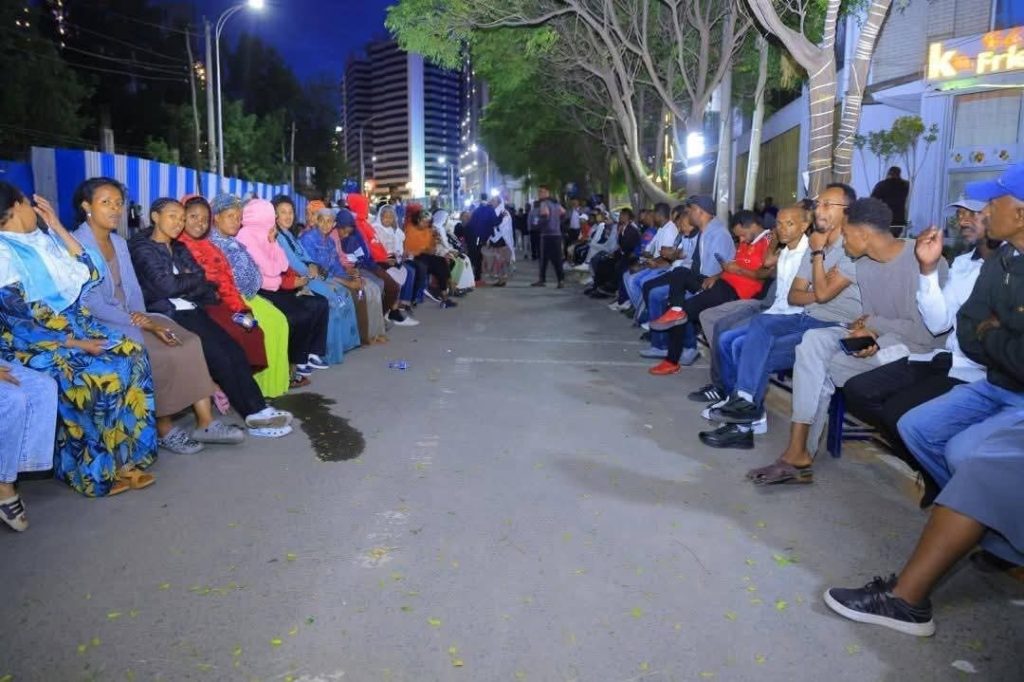
More than a contest for political office, Ethiopia’s election is a reflection of the aspirations of millions of citizens and a milestone with implications for the future of democracy, stability, and development across the Horn of Africa and the wider continent.
The voting process, which is currently underway across the country, is widely regarded as one of the largest electoral exercises on the African continent, underscoring Ethiopia’s significance as Africa’s second-most populous nation and a key democratic actor in the region.
By Birhanu Workneh