
AMN Plus July 22, 2026
For decades, the Grand Ethiopian Renaissance Dam (GERD) has been portrayed by some as a source of tension and instability in the Nile Basin. Yet a closer examination suggests a different reality. Rather than posing a threat, the GERD represents a transformative opportunity for regional cooperation, clean energy generation, and more equitable use of one of Africa’s most important rivers.
 A Green Energy Project, Not a Water-Consumption Project
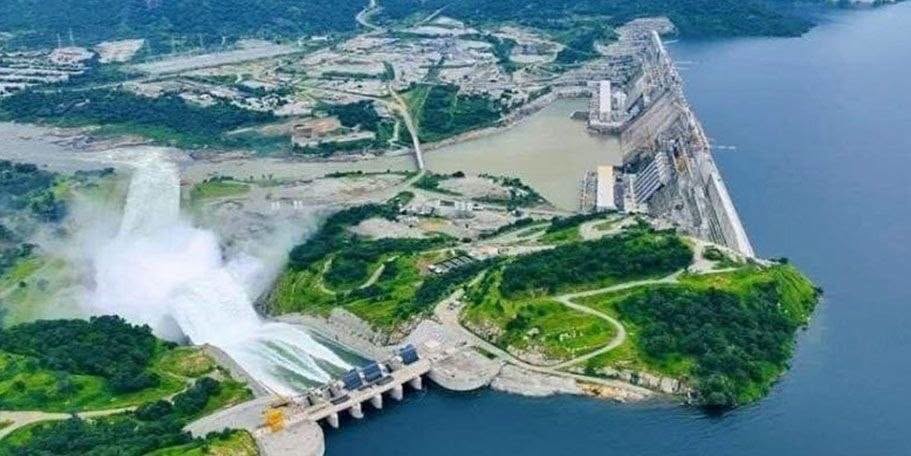
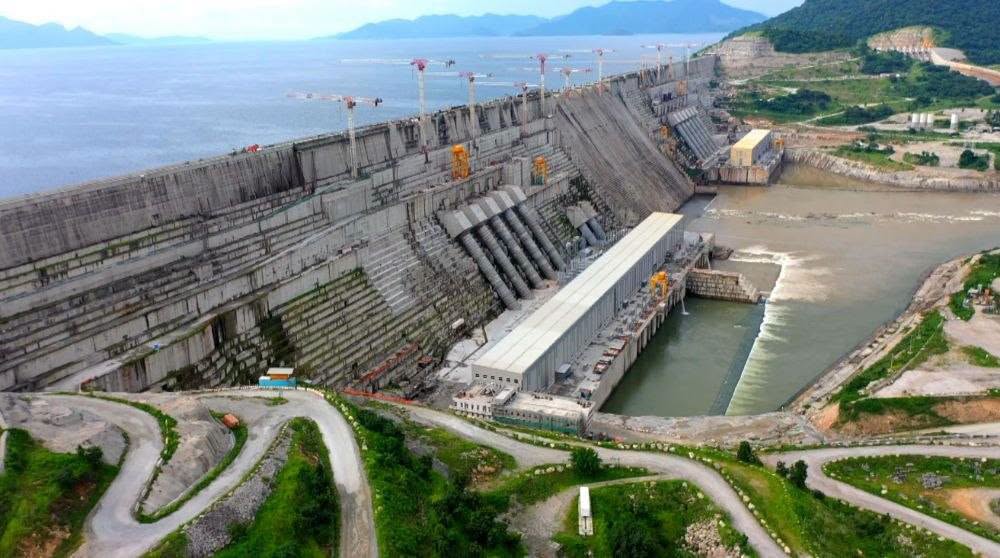
The GERD is a run-of-the-river hydropower project designed to generate electricity—not to consume or divert the Nile’s water. For Ethiopia, where millions of people have historically lacked reliable access to electricity, the dam is a cornerstone of national development. By harnessing renewable hydropower, the GERD is expected to expand energy access, reduce poverty, and support sustainable economic growth.
Unlike irrigation projects that consume large volumes of water, hydropower simply uses the river’s flow to turn turbines before releasing the water downstream. The water continues its natural course to Sudan and Egypt.
The reservoir also stores water in Ethiopia’s cooler highlands, where evaporation losses are significantly lower than in the hotter downstream desert regions, potentially improving overall water efficiency across the basin.
Rethinking the Narrative of “Unilateralism”
Critics often characterize Ethiopia’s operation of the GERD as unilateral. However, supporters argue that this overlooks years of diplomatic engagement and important historical context.
In 2015, Ethiopia, Egypt, and Sudan signed the Declaration of Principles in Khartoum, recognizing cooperation on the construction, filling, and operation of the dam while committing to dialogue and mutual understanding.
Ethiopia has also maintained that it has timed reservoir filling during the rainy seasons to reduce downstream impacts and has shared information as part of ongoing technical discussions.
Supporters further contend that Ethiopia’s position challenges colonial-era agreements of 1929 and 1959, which allocated nearly all Nile waters to Egypt and Sudan while excluding Ethiopia, despite the Blue Nile contributing approximately 86 percent of the Nile’s flow reaching downstream countries.
Benefits for Downstream Countries: Mitigating Floods and Droughts
Advocates of the GERD argue that the project offers significant benefits beyond Ethiopia’s borders. By regulating the flow of the Blue Nile, the dam can help reduce destructive seasonal flooding in Sudan, protecting communities, farmland, and infrastructure.
The reservoir is also expected to trap much of the sediment that has historically accumulated in downstream dams, potentially lowering maintenance costs and extending the operational lifespan of Sudanese infrastructure.
A more regulated river flow could further improve water management, enabling more predictable agricultural planning and reducing the impacts of seasonal fluctuations.
Toward Regional Cooperation and Shared Growth
Supporters view the GERD as an opportunity to strengthen regional integration rather than deepen divisions.
The Cooperative Framework Agreement (CFA), also known as the Entebbe Agreement, seeks to establish a basin-wide approach based on the principles of equitable and reasonable utilization of shared water resources.
Its proponents see it as a modern framework that moves beyond historical arrangements toward greater cooperation among Nile Basin countries.
Beyond water management, Ethiopia has already begun exporting renewable electricity to neighboring countries, including Kenya, Sudan, and Djibouti, with plans to expand regional power interconnections. The GERD is expected to play a central role in developing East Africa into a more integrated clean-energy market.
A Shared Future for the Nile Basin
Supporters argue that portraying the GERD as an existential threat overlooks its potential to advance regional development and climate resilience. They contend that long-term stability will be achieved not by preserving historical water allocations, but through cooperation, equitable resource sharing, and mutual economic benefit.
As climate change places increasing pressure on water resources across Africa, the GERD offers an opportunity to promote renewable energy, improve water management, and foster regional integration. Rather than a symbol of division, it has the potential to become a shared asset that contributes to sustainable development and a more prosperous future for all Nile Basin nations.
By Hussen Kemal