
AMN Plus-May 6/2026
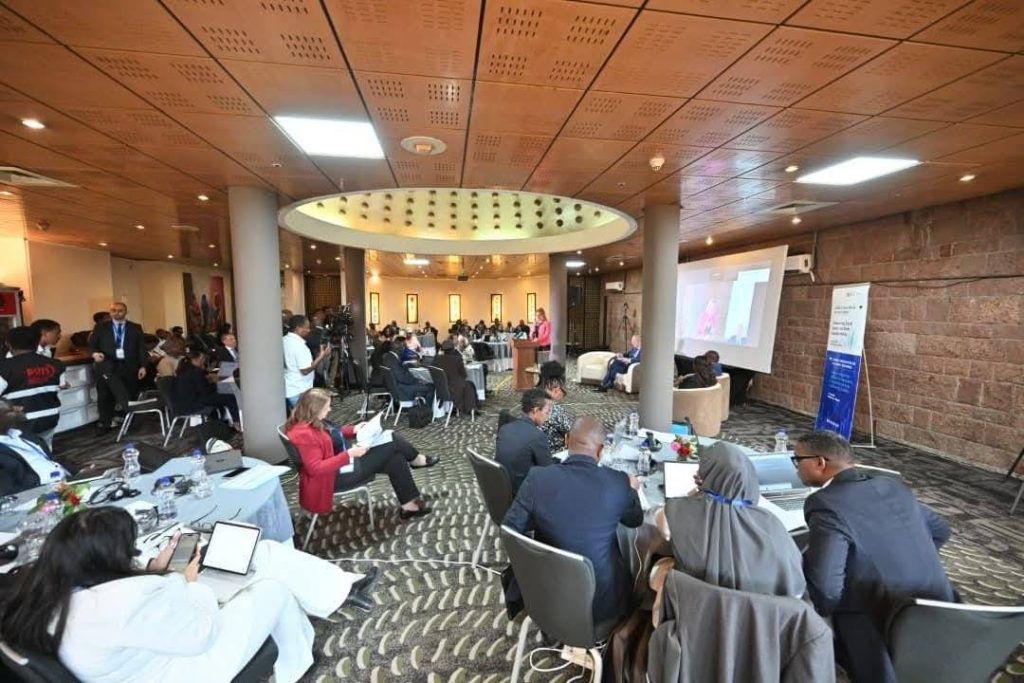
Ethiopia has officially launched the Second African Forum on Sovereign Finance at the Hilton Hotel in Addis Ababa, bringing together key stakeholders from across the continent to advance solutions on fiscal space and debt sustainability.
The three-day forum, held under the theme “Enhancing Fiscal Space and Debt Sustainability,” is jointly organized by the United Nations Economic Commission for Africa and FSD Africa. It brings together representatives from Ministries of Finance, Debt Management Offices, multilateral institutions, credit rating agencies, and institutional investors.
Delivering the opening keynote on behalf of Ethiopia’s Ministry of Finance, State Minister Semereta Sewasew warned of rising fiscal vulnerabilities across Africa, driven by successive global shocks, including the COVID-19 pandemic and ongoing geopolitical tensions.
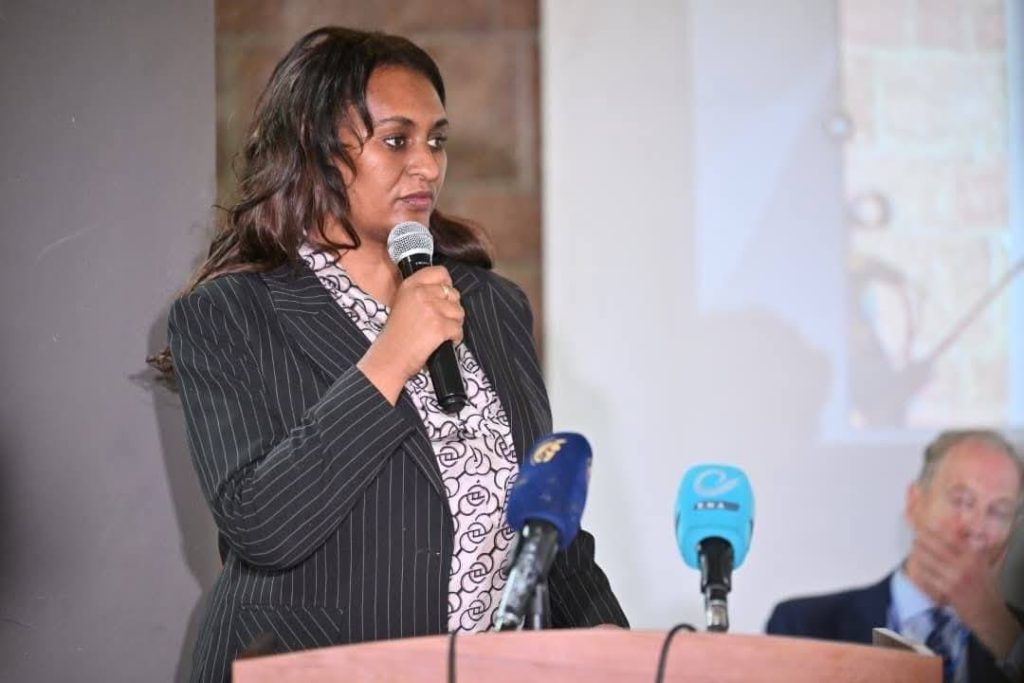
She noted a significant weakening of external financial buffers across the continent, highlighting that foreign exchange reserves relative to external debt have declined sharply. According to her remarks, the median ratio fell from 44% in 2010 to 28% in 2024—meaning reserves that once covered nearly half of external debt now cover less than one-third.
“This is more than a statistic,” she said. “It signals a structural weakening of countries’ ability to meet external obligations. This is not just a debt problem; it is a development constraint.”
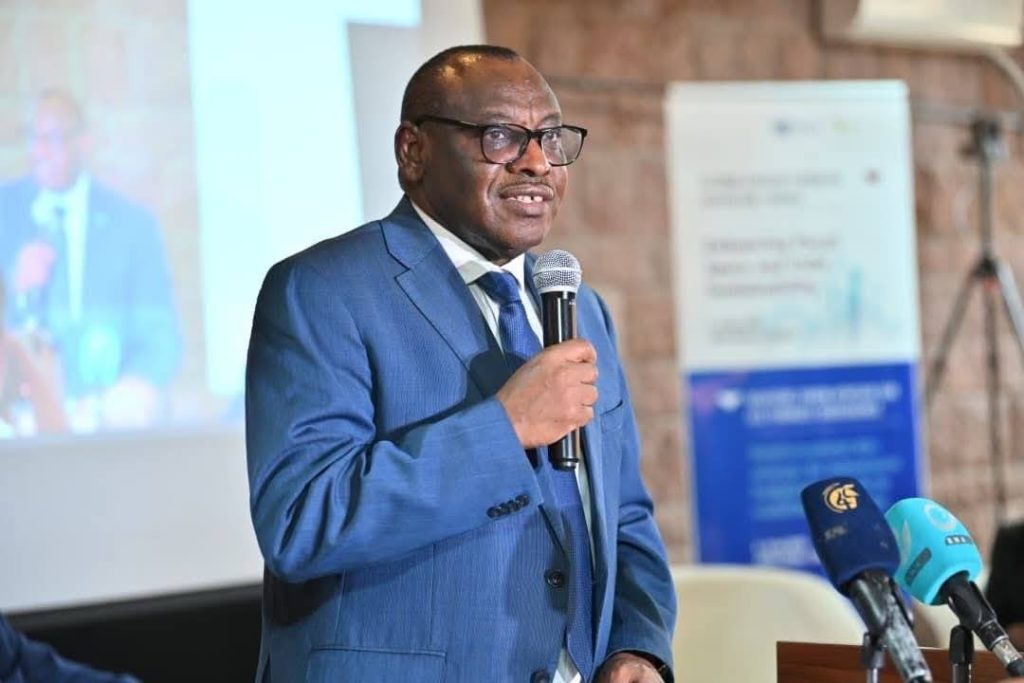
Speaking during the opening ceremony, Claver Gatete, Executive Secretary of UNECA, stressed the importance of fairer financing conditions for the continent, noting that “it cannot be right that a continent home to some of the world’s fastest-growing economies continues to face the highest possible cost of capital.”
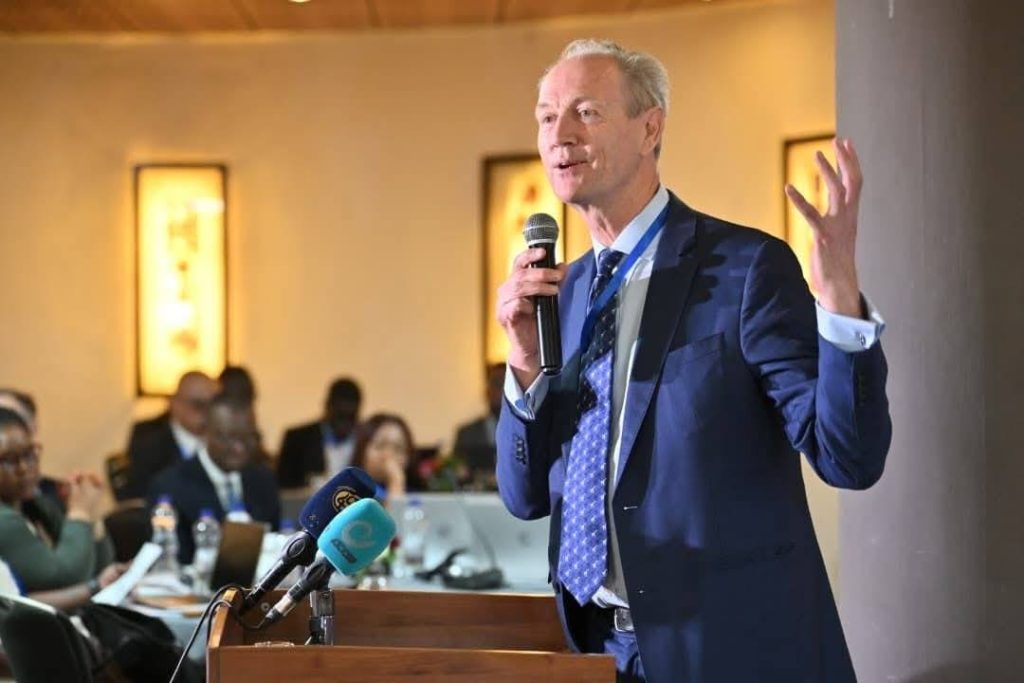
Mark Napier, CEO of FSD Africa, also highlighted the importance of sovereign financial stability for unlocking long-term investment across the continent, noting that “sovereign stability remains essential for mobilizing private capital and financing long-term infrastructure and development projects across Africa.”
Across Africa, eight countries are currently in debt distress, 14 are at high risk, and 18 face moderate risk levels.
Outlining Ethiopia’s response, the State Minister highlighted ongoing macroeconomic reforms, including the transition to a market-based foreign exchange system, strengthening of monetary policy frameworks, and efforts to improve domestic revenue mobilization.
She also highlighted Ethiopia’s progress under the G20 Common Framework.
According to the State Minister, debt sustainability depends not only on the size of debt, but also on its structure, foreign exchange exposure, and the credibility of policy frameworks.
She called for coordinated African action around four priorities: reducing borrowing costs through fairer global credit rating systems, strengthening domestic and regional financial markets, expanding access to concessional and innovative financing, and improving debt management capacity and transparency.
She further emphasized that stronger transparency frameworks can help lower risk premiums and boost investor confidence.
Over the course of the forum, participants are expected to engage in technical discussions on green bonds, debt-for-climate swaps, and ESG financing, aiming to develop practical solutions and country-level sustainable finance strategies.
“Let us work together to ensure that debt once again becomes a tool for development, not a constraint on it,” the State Minister concluded.
The forum underscores Ethiopia’s continued commitment to regional cooperation and sustainable economic development across Africa as to Ministry of Finance Ethiopia reported it