
AMN Plus-August 22, 2026
The Ethiopian National Dialogue Commission is an independent and inclusive institution established by law in 2021 to facilitate a comprehensive national dialogue and help build lasting consensus on issues that have historically divided Ethiopians.
It represents the first nationally organized effort of its kind in Ethiopia’s history, with the broader goal of fostering national unity, mutual trust, reconciliation, and a shared vision for the country’s future.
Since its establishment, the Commission has undertaken extensive institutional, organizational, and preparatory work to lay the foundation for a credible, inclusive, and nationally representative dialogue process.
At the heart of these efforts has been a commitment to ensuring that Ethiopians from diverse political, social, cultural, religious, and geographic backgrounds have an opportunity to express their views on fundamental national issues.
Recognizing the importance of the Ethiopian diaspora as part of the national community, the Commission also engaged Ethiopians and people of Ethiopian descent living abroad.
Commission delegations held forums and consultations in South Africa, the United States, Canada, the United Kingdom, Sweden, and Dubai. These engagements provided diaspora communities with opportunities to share their perspectives, raise concerns, and contribute ideas on issues of national importance.
Representatives were subsequently selected through these engagements to participate in the broader dialogue process, helping ensure that the voices of Ethiopians living outside the country were also reflected in discussions about Ethiopia’s future.
A Historic National Gathering
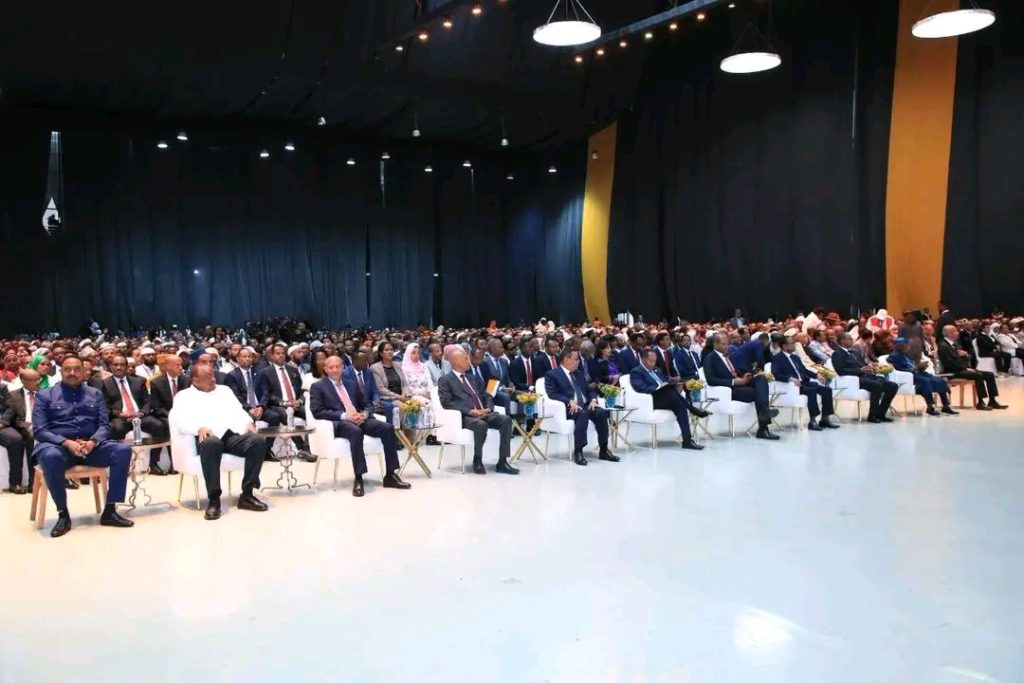
The National Dialogue Conference, which formally opened in Addis Ababa on July 15, 2026, marked a major milestone in Ethiopia’s efforts to address longstanding differences and build a more peaceful, cohesive, and inclusive society.
More than 4,000 delegates from across the country participated in the historic conference, representing a broad cross-section of Ethiopian society.
Their participation reflected the country’s effort to address long-standing political, social, ethnic, and historical differences through peaceful, structured, and inclusive dialogue.
The conference was preceded by one of the most extensive public consultation processes in the country’s history. Over approximately four years, agenda-setting consultations were conducted in more than 1,200 districts across Ethiopia, gathering the views and priorities of more than 200,000 citizens from diverse backgrounds.Political parties, civic organizations, academic institutions, religious leaders, elders, women, youth, farmers, and community representatives all contributed to the consultation process. The issues ultimately brought before the national conference therefore emerged from extensive grassroots engagement and reflected concerns identified by citizens across the country.
Eight Major Areas of Dialogue
Throughout the conference, participants engaged in successive deliberations around eight major thematic areas: State-building, The federal system, Governance in major citiesSocioeconomic development, The rule of law, religious affairs, Corruption, Long-term peacebuilding. These themes address some of the most fundamental issues shaping Ethiopia’s political, social, economic, and institutional future.
Through structured discussions, participants were given opportunities to present differing perspectives, examine areas of disagreement, identify common ground, and explore possible pathways toward sustainable solutions. For more than a month, participants held extensive deliberations in Addis Ababa, creating a platform where Ethiopians with different experiences, perspectives, and aspirations could engage with one another in an orderly and respectful manner.
The significance of the process lies not only in the issues discussed but also in the way differences were addressed. Rather than resolving disagreements through confrontation, the dialogue sought to create space for listening, understanding, compromise, reconciliation, and the gradual rebuilding of trust.
A Dialogue Reflecting Ethiopia’s Diversity
The diversity of participants has been one of the defining features of the national dialogue. Mothers attending with their children, respected community elders, women and youth, professionals, religious leaders, political actors, farmers, and representatives of different communities all took part in the discussions.
Their participation reflected the broader aspiration that Ethiopia’s future should be shaped through the contributions and shared responsibility of its people.
A Historic Milestone for Ethiopia
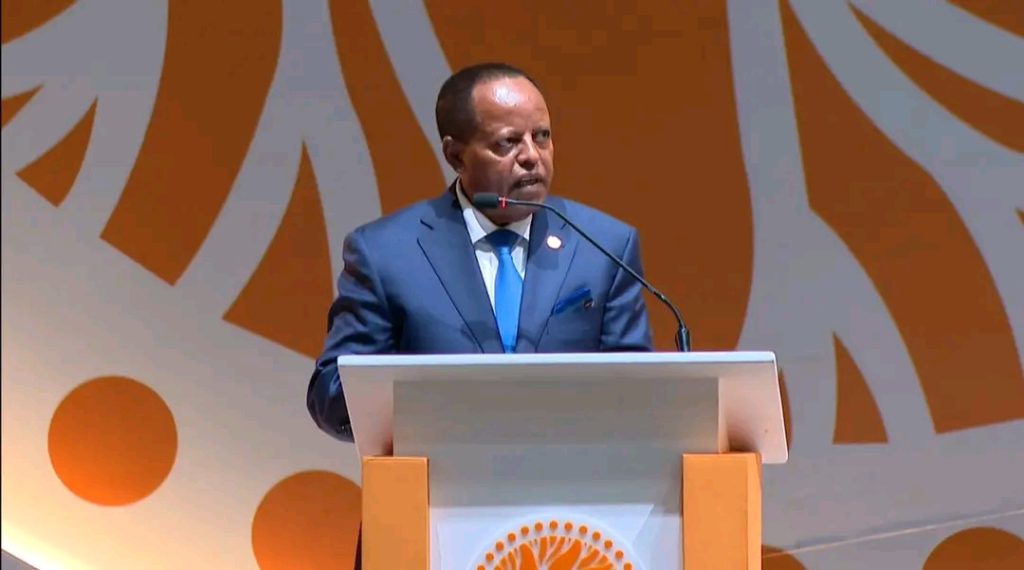
Speaking at the closing ceremony, President of the Federal Democratic Republic of Ethiopia Taye Atske Selassie said the National Dialogue had marked a historic milestone in Ethiopia’s political history and laid a foundation for lasting peace, reconciliation, and national understanding.
President Taye said the work carried out by the Ethiopian National Dialogue Commission would leave a lasting legacy for future generations and contribute to building a more peaceful and stable Ethiopia.
He commended the Commission’s members, staff, and coordinators for their dedication from the outset of the process, particularly their efforts to develop agendas reflecting diverse national perspectives, establish an effective dialogue framework, and create an environment conducive to meaningful discussions.
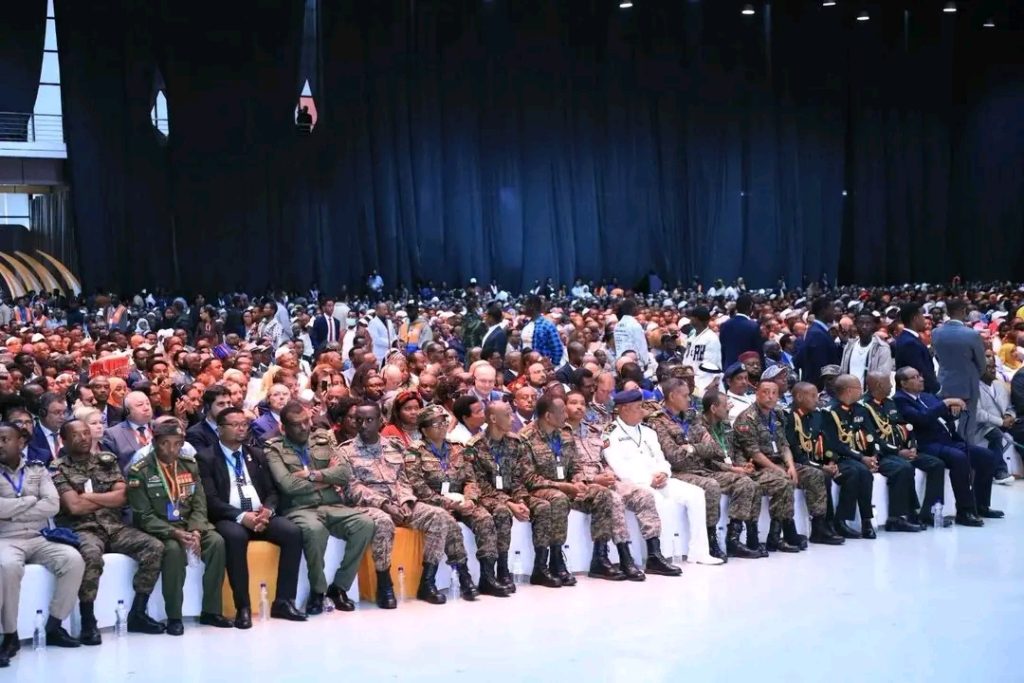
The President also recognized the active participation of elders, women, youth, farmers, and civil society organizations, noting that their engagement was instrumental to the success of the process.
According to President Taye, the dialogue created a platform where competing and even opposing views could meet, allowing new and constructive ideas to emerge while laying a stronger foundation for Ethiopians to shape their common future together.
President Taye further noted that the dialogue had contributed to transforming Ethiopia’s political landscape from one characterized by confrontation and hostility toward one increasingly grounded in forgiveness, mutual respect, cooperation, and peaceful engagement.
He said the process had opened a new path for Ethiopia’s political culture, one that moves away from violence and the use of force and instead promotes dialogue, attentive listening, understanding, and the free exchange of ideas.
The President also stressed that Ethiopia has the capacity to move beyond recurring narratives portraying the country as being on the verge of collapse or permanently at a crossroads.
He emphasized that the country’s strong social bonds, centuries-old history, and rich civilization provide Ethiopians with the resilience needed to confront challenges together and build a shared future.
President Taye expressed appreciation to the House of Peoples’ Representatives for providing the national dialogue with a legal foundation and thanked Prime Minister Abiy Ahmed for his strong support and commitment to the process.
A New Chapter for Ethiopia Led by the Ethiopian National Dialogue Commission, the national dialogue process has now successfully concluded, marking a significant chapter in Ethiopia’s ongoing efforts to build national consensus and strengthen social cohesion.
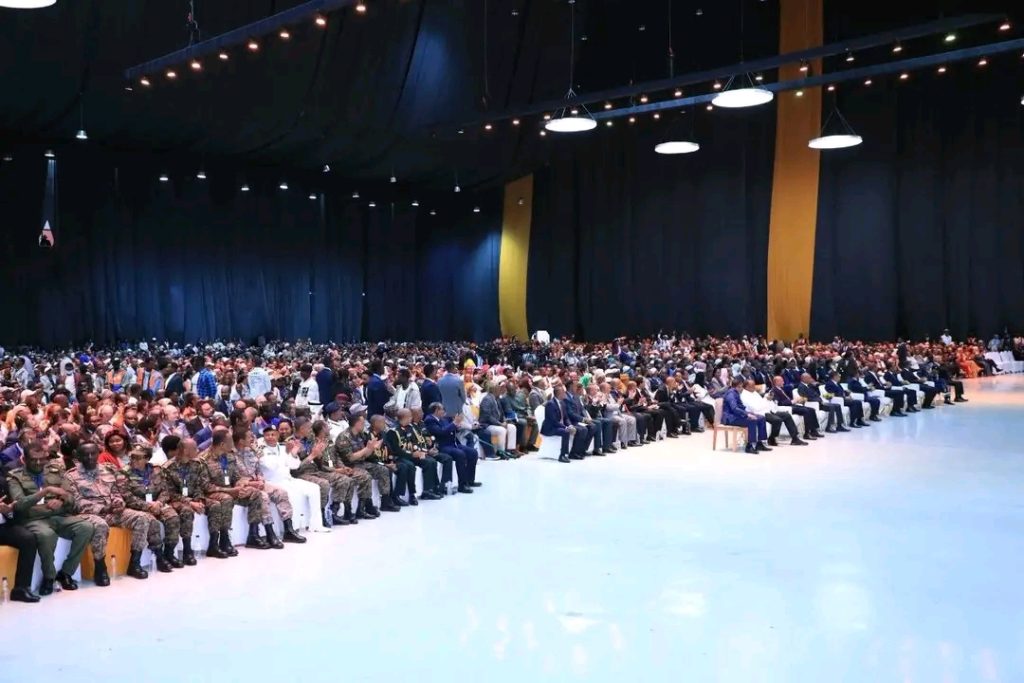
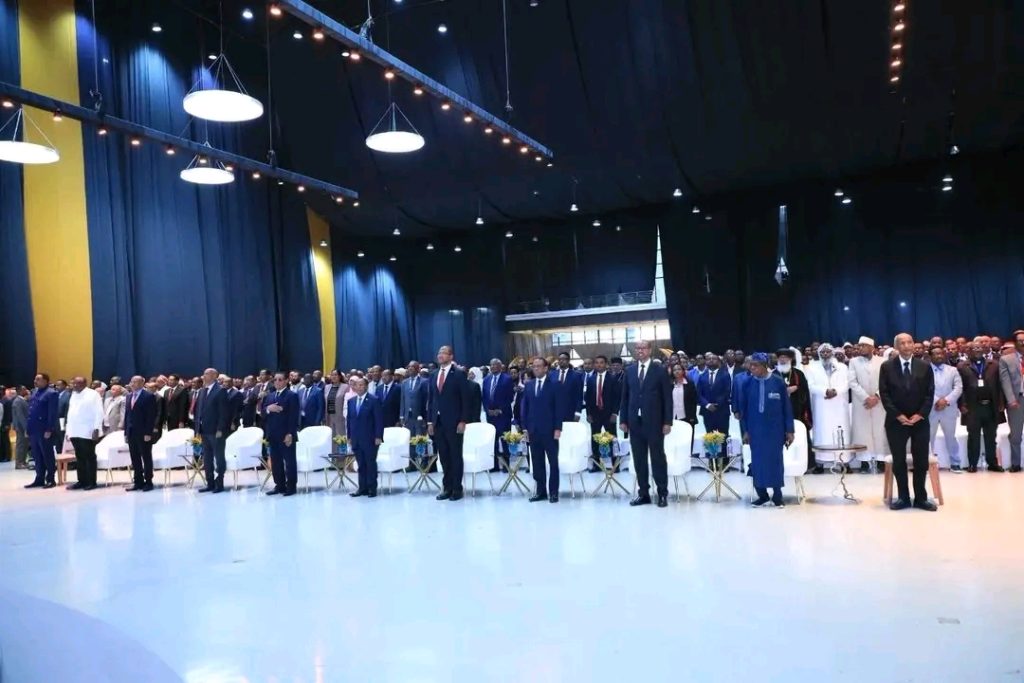
The closing ceremony brought together senior Ethiopian officials, former heads of state, regional leaders, religious and community representatives, international partners, and members of the diplomatic community. Among those in attendance were former FDRE President Mulatu Teshome (PhD); Speaker of the House of Peoples’ Representatives Tagesse Chafo; Speaker of the House of Federation Agegnehu Teshager; President of the Federal Supreme Court Tewodros Mhirte; Deputy Prime Minister Temesgen Tiruneh; Prosperity Party Vice President and Head of the Democratic System Building Center, with the rank of Deputy Prime Minister, Adem Farah; former Nigerian President Olusegun Obasanjo; former Kenyan President Uhuru Kenyatta; IGAD Secretary-General Workneh Gebeyehu (PhD); regional presidents; the mayors of the two city administrations; ministers; commissioners; and representatives of the diplomatic community.
The conclusion of the National Dialogue marks not an end to Ethiopia’s national conversation, but an important foundation for continued engagement, reconciliation, and consensus-building. Its lasting significance will ultimately depend on how the ideas, recommendations, and shared aspirations emerging from the process are carried forward.
By Birhanu Workneh