
AMN Plus-June 26, 2026
Ethiopia’s ambitious Green Legacy Initiative, launched in 2019 under the leadership of Prime Minister Abiy Ahmed, has evolved into one of the world’s most recognized environmental restoration programs, serving as an inspiring model not only for Africa but also for the international community.
Since its inception, the initiative has resulted in the planting of more than 48 billion tree seedlings across the country, significantly contributing to environmental protection, biodiversity restoration, and climate resilience. Building on this momentum, Ethiopia has set an ambitious target of planting 8 billion seedlings during this year’s Green Legacy campaign, further reinforcing its commitment to sustainable development.
Beyond addressing the adverse impacts of climate change, the initiative is playing a pivotal role in supporting Ethiopia’s transition toward a green and climate-resilient economy. Through large-scale reforestation and ecosystem restoration efforts, the program is strengthening environmental sustainability while creating opportunities for economic growth and community development.
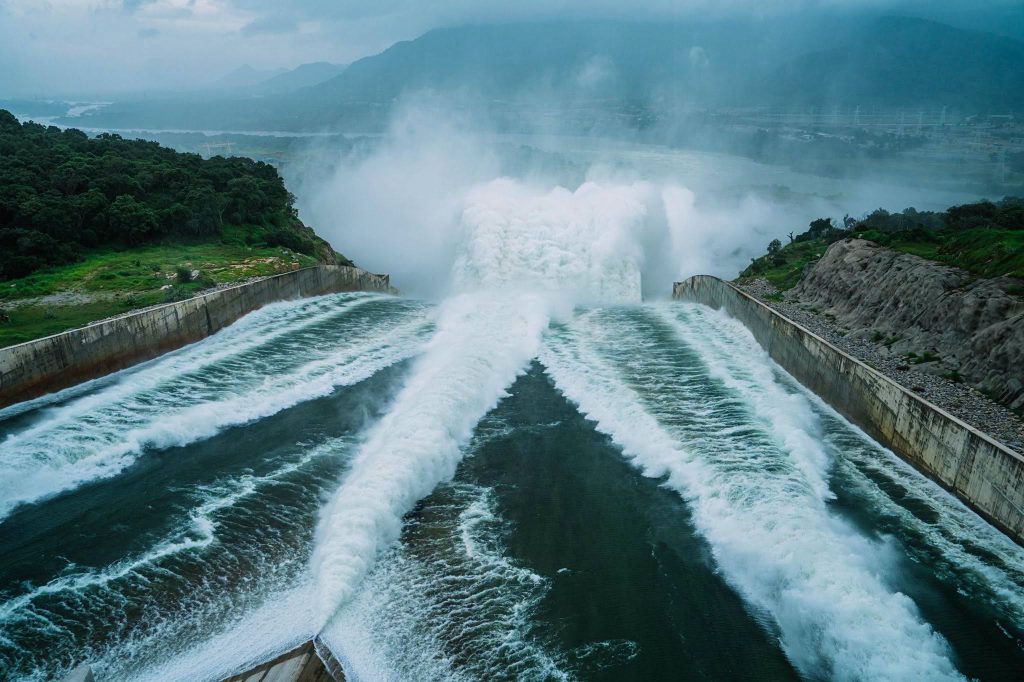
Complementing these environmental achievements is Ethiopia’s substantial investment in renewable energy infrastructure. The Grand Ethiopian Renaissance Dam (GERD), built through the collective determination and contribution of Ethiopians, stands today as Africa’s largest renewable energy project. In addition to meeting the country’s growing energy demands, the dam is increasingly serving as a catalyst for regional energy integration by facilitating electricity exports to neighboring countries.
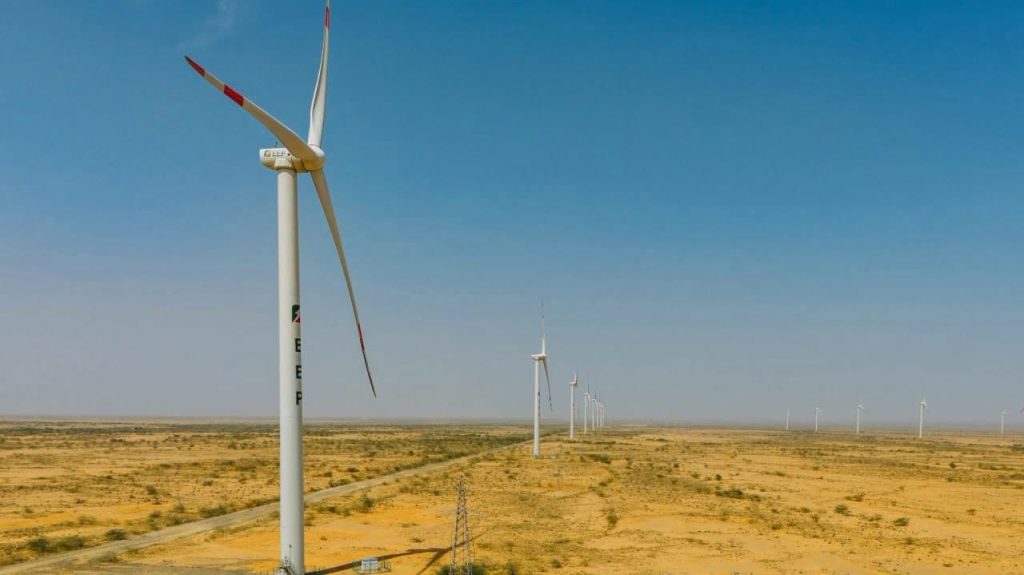
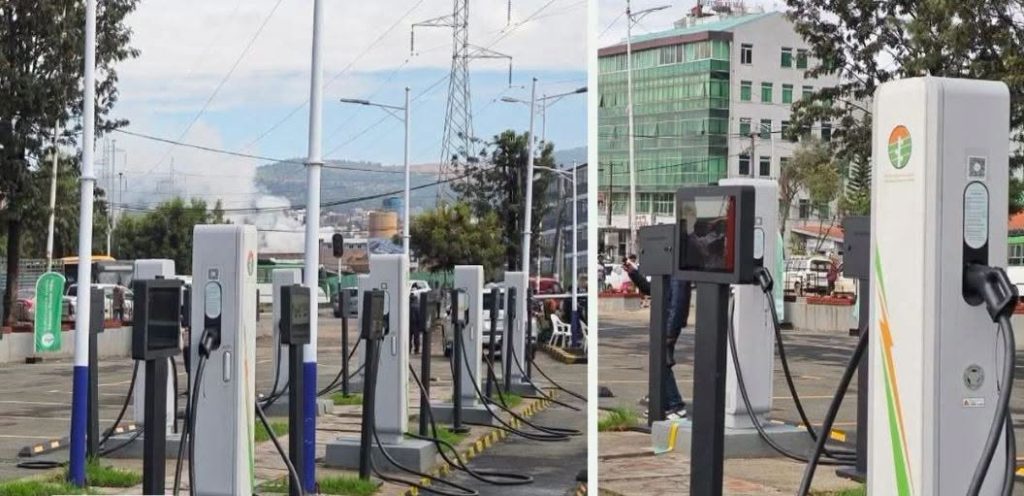
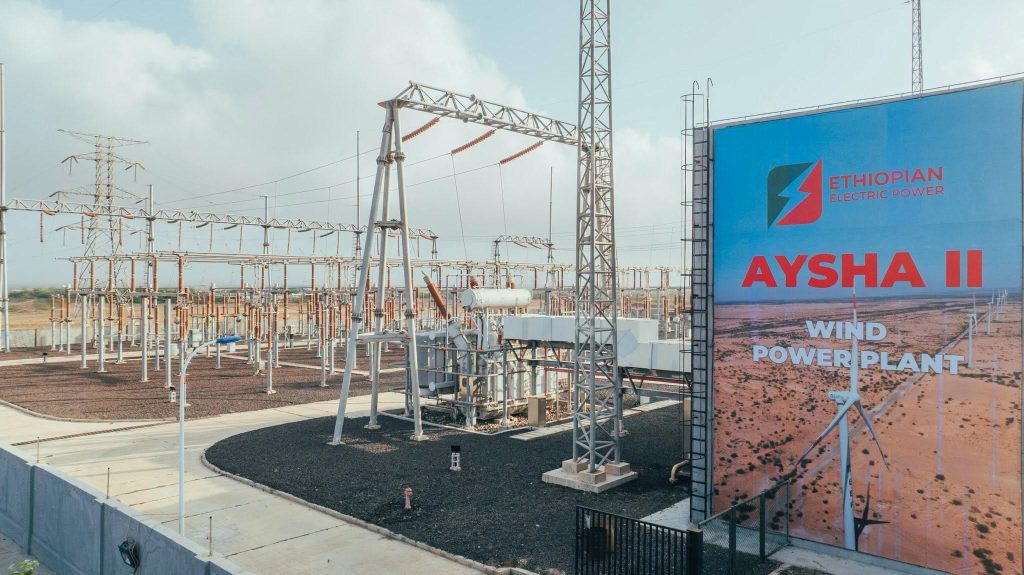
Ethiopia’s broader investments in renewable energy, including hydropower, wind, solar, and geothermal resources, are also generating tangible benefits for regional economic cooperation. By expanding access to clean and affordable energy, the country is helping to strengthen cross-border connectivity, promote industrialization, and enhance economic integration across the region.
Looking ahead, Ethiopia is expected to gain an even greater international platform through the 32nd United Nations Climate Change Conference (COP32), scheduled to be hosted in Addis Ababa in 2027. The global gathering is anticipated to showcase Ethiopia’s achievements in climate action, environmental restoration, renewable energy development, and regional energy connectivity.
The conference is expected to highlight the country’s efforts in building Africa’s largest renewable energy infrastructure network while demonstrating how sustainable development initiatives can contribute to regional cooperation and economic transformation.
During the official launch of this year’s Green Legacy Initiative, Prime Minister Abiy Ahmed reaffirmed Ethiopia’s commitment to environmental stewardship, announcing the national target of planting 8 billion seedlings in 2026 as part of the country’s broader goal of reaching a cumulative total of 65 billion seedlings in the coming years.
Concluding his remarks, the Prime Minister called upon all Ethiopians to actively participate in the campaign and contribute to building a greener, more sustainable future, urging citizens to leave a lasting environmental legacy for generations to come.
As Ethiopia continues to combine environmental restoration with renewable energy development, the country is increasingly positioning itself as a leading example of how climate action, economic growth, and regional integration can advance together for the benefit of Africa and the wider world.
By Birhanu Workneh