
AMN PLUS-June 30,2026
For many years, Ethiopia’s resources, prosperity, and opportunities were never far away, they were always at our doorstep. Yet despite being endowed with abundant rivers, breathtaking landscapes, rich cultural heritage, and diverse wildlife, the country continued to experience poverty and underdevelopment. While our rivers became tourist attractions for other nations, many of our historical and cultural treasures were taken abroad, and valuable resources such as ivory and other wildlife products were smuggled out of the country.
Although Ethiopia is blessed with extraordinary natural beauty and a remarkable history, its people were often portrayed as symbols of poverty and backwardness. This was not due to a lack of potential or capacity, but rather a lack of visionary leadership capable of identifying, developing, and utilizing the country’s untapped resources. As a result, Ethiopians became bystanders while their own wealth remained underutilized.
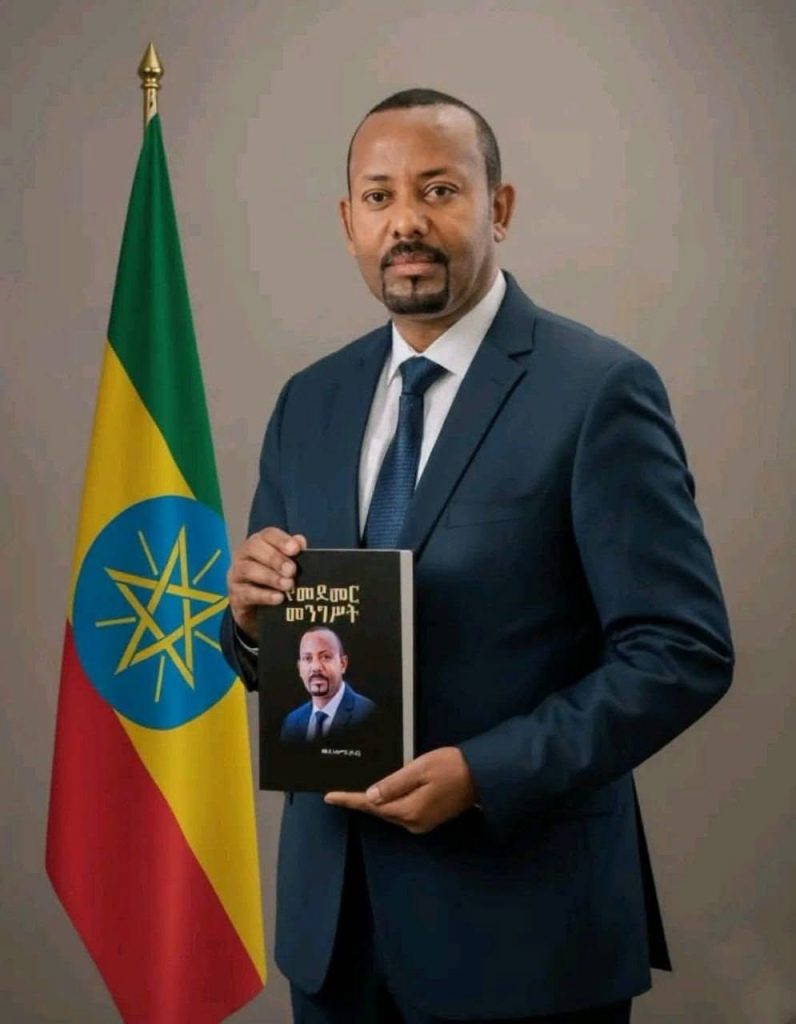
The Medemer Philosophy and the Reform Process
The Medemer philosophy has reversed this historical trend by opening new opportunities and presenting a clear vision for the country’s future.
Rather than viewing tourism merely as an entertainment industry, the Medemer philosophy recognizes it as a strategic sector with the potential to contribute to nation-building, strengthen national unity, restore citizens’ dignity, and improve livelihoods within a relatively short period.
Following the reform process guided by the Medemer philosophy, tourism was identified as one of Ethiopia’s five key economic pillars and incorporated into national policy. This strategic approach has transformed natural and cultural resources that had long been overlooked into productive economic assets that attract visitors, create employment, generate income, and contribute significantly to national development.
Turning Vision into Reality
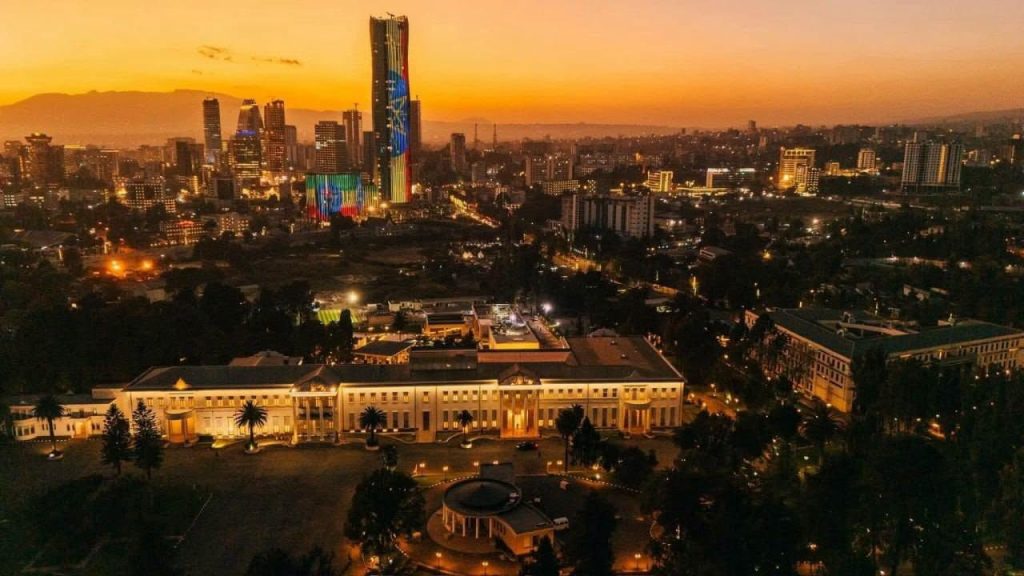
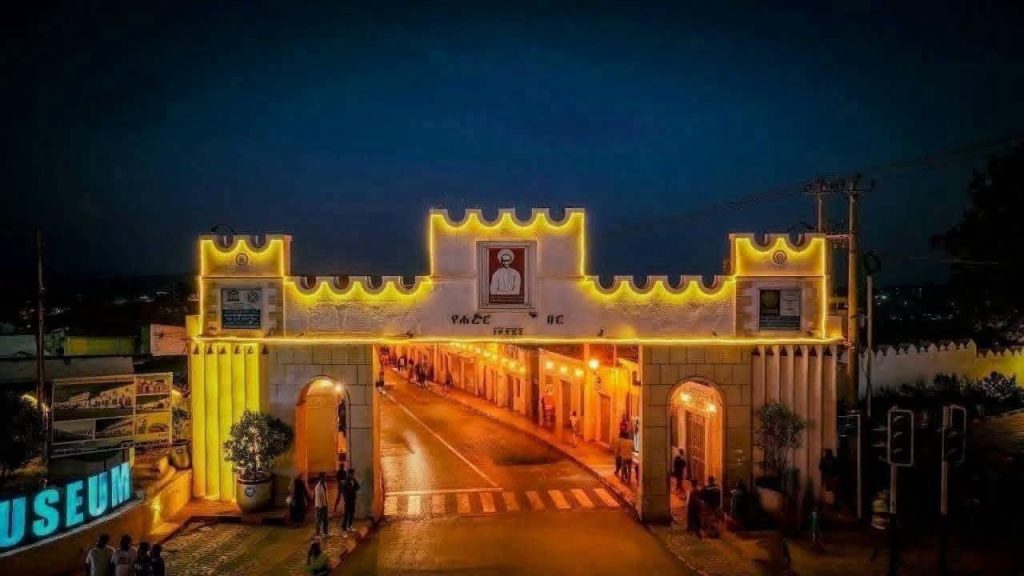
The decisive measures undertaken under the Medemer-led reform have transformed areas that had been neglected for decades into attractive destinations.
The completion of flagship projects ahead of schedule and with high standards reflects the leadership’s implementation capacity. This progress has been particularly evident in the tourism sector.
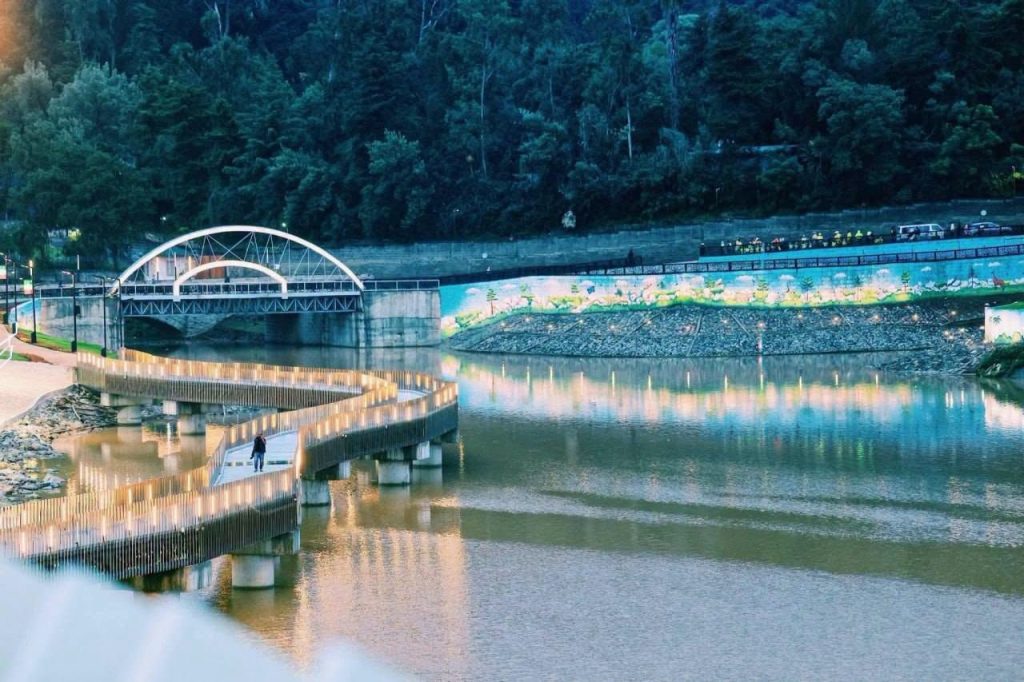
A notable example is the Entoto–Kebena Riverside Development Project. Beyond transforming the landscape of Addis Ababa, the project demonstrates how environmental conservation can be integrated with modern tourism, creating green public spaces while promoting sustainable urban development.
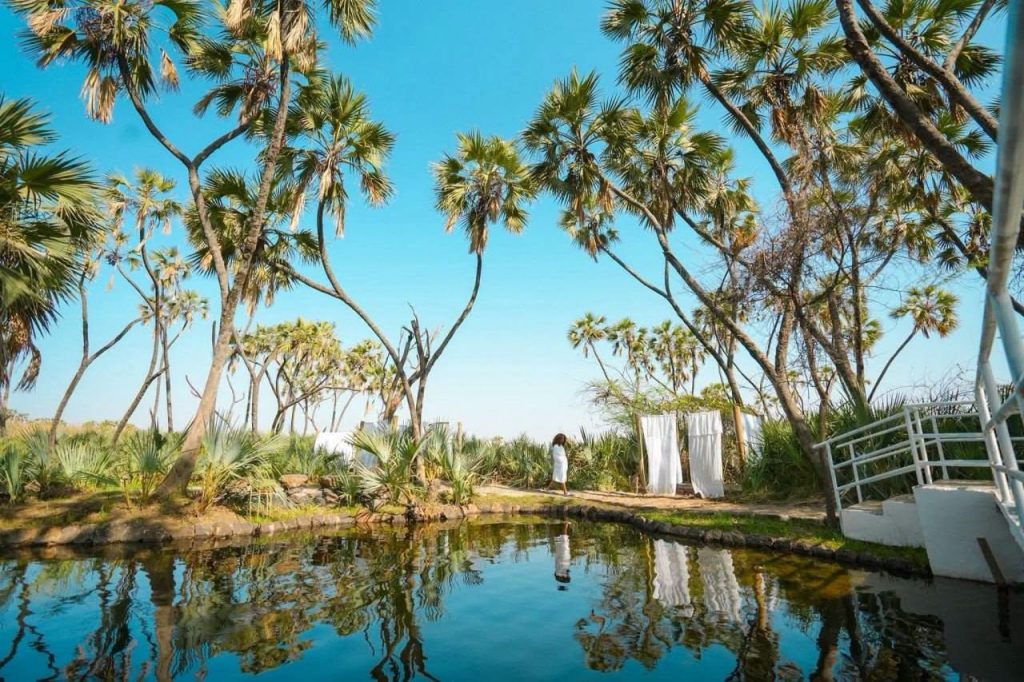
Other landmark initiatives—including Entoto Park, Friendship Park, and projects developed under the Dine for the Nation and Dine for the Generation initiatives such as Gorgora, Wonchi, and Koisha—have become clear examples of how Ethiopia’s natural resources can be transformed into sustainable sources of economic growth and national revenue.
Economic and Social Benefits
The integrated promotion and digital marketing efforts undertaken over the past five years have contributed to improved infrastructure, the development of new tourist destinations, and a significant increase in both domestic and international tourist arrivals.
Revenue from tourism—including urban tourism, conference tourism, and nature-based attractions—has increased foreign currency earnings and strengthened Ethiopia’s position as a leading tourism destination in the Horn of Africa.
The sector has also created thousands of direct and indirect employment opportunities, particularly for young people and women, through parks, hotels, hospitality services, transport, and related industries.

A New Milestone
Overall, the progress witnessed in Ethiopia’s tourism sector during the past five years of reform reflects the influence of the Medemer philosophy.
As this transformation continues, it is expected to contribute to Ethiopia’s broader prosperity, strengthen national pride, preserve and renew the country’s historical legacy, and sustain a momentum of development that continues to reshape the nation.
By Leta Teresa