AMN Plus-February 26/ 2026
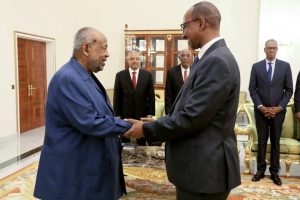
Ethiopia is charting a purposeful and strategic diplomatic course, one firmly anchored in safeguarding and advancing its national interests, while reinforcing the influential leadership role it has upheld on continental and global stages since the founding of the Organization of African Unity.
Following its accession to BRICS, Ethiopia has significantly strengthened its engagement with major global powers, deepening strategic partnerships and expanding its influence on the international stage.
The increasing number of world leaders selecting Addis Ababa as a destination of choice highlights Ethiopia’s expanding diplomatic stature and marks the dawn of a dynamic new era in its global engagement.
Since the establishment of the Organization of African Unity, it has played a significant continental and global role in peacekeeping missions and other international engagements.
Over the past century, Ethiopia has built strong bilateral diplomatic relations with countries across the world.
Since the recent reform of the nation, Ethiopia’s foreign policy has increasingly focused on national interests, while transitioning from traditional development partnerships toward deeper strategic alliances.
Ethiopia has successfully established bilateral and multilateral development partnerships with numerous African and global nations.
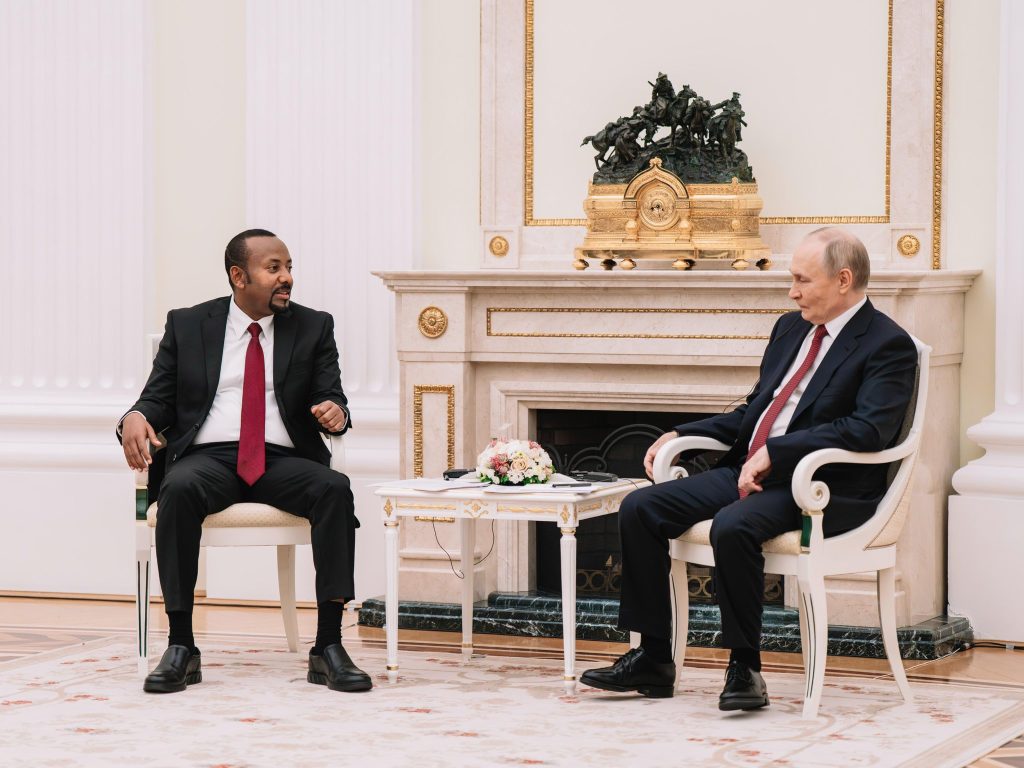
Beyond its influential continental role within the African Union, Ethiopia’s accession to BRICS has enabled it to strengthen strategic relations with global powers such as Russia, China, and India relationships that continue to expand.
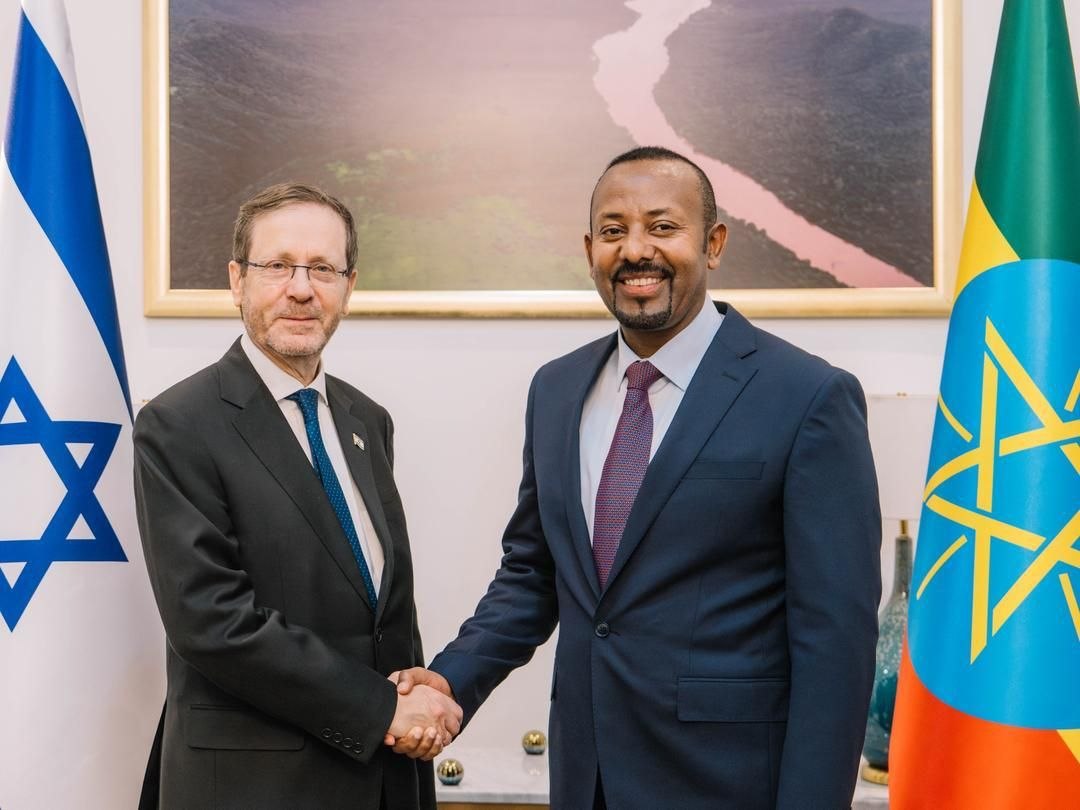
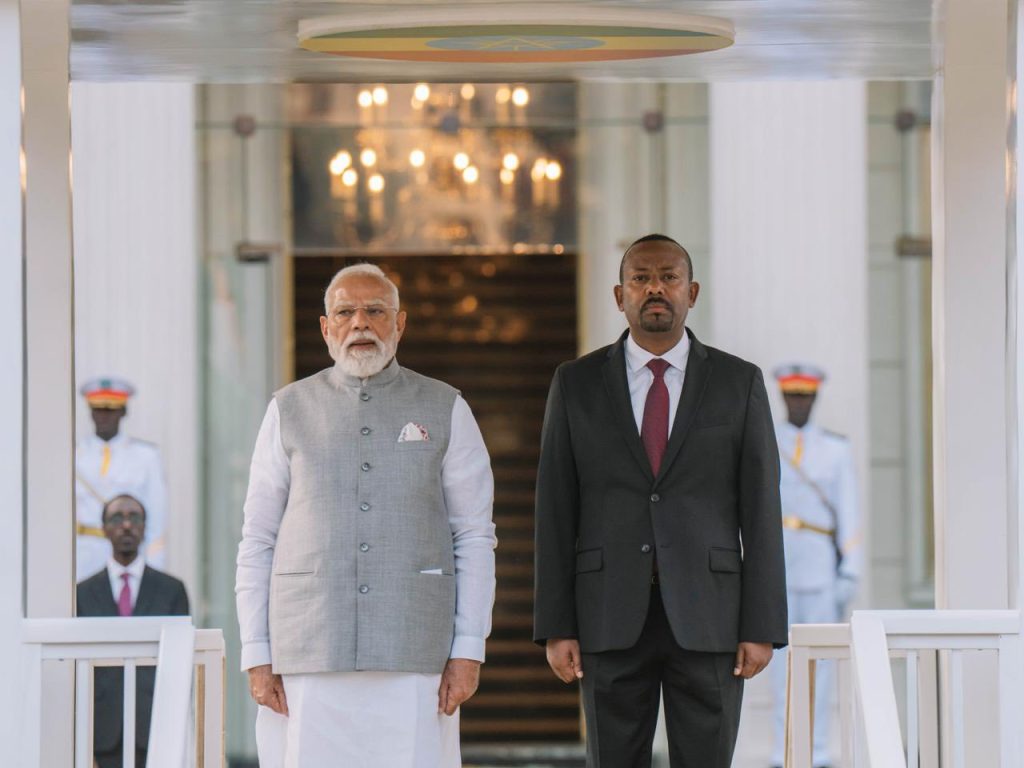
Ethiopia’s recent visits by high-level global leaders further affirm the nation’s growing diplomatic standing. Among them are Indian Prime Minister Narendra Modi, Turkish President Recep Tayyip Erdogan, Italian Prime Minister Giorgia Meloni, Chinese Foreign Minister Wang Yi, Israeli President Isaac Herzog, and United Nations Secretary-General Antonio Guterres.
More over, visits by leaders from neighboring countries, as well as Singaporean Prime Minister Lawrence Wong and Malaysian Prime Minister Anwar Ibrahim, along with heads of international institutions, reinforce Ethiopia’s status as Africa’s primary diplomatic hub.
Prime Minister Abiy Ahmed also participated in the Leaders’ Summit of the G20 hosted by South Africa, where he conducted bilateral and multilateral diplomatic engagements aimed at advancing Ethiopia’s strategic interests.
Similarly, other senior government officials have carried out diplomatic visits and discussions across various countries, further demonstrating the growing of Ethiopia’s diplomacy.
The expanding network of bilateral partnerships among global powers is expected to bolster Ethiopia’s peaceful quest for sea access, while simultaneously reinforcing its broader strategic national interests.
By Birhanu Workneh