
AMN Plus-July 20, 2026
BirrMetrics Interview: Eng. Wondimu Seta, Addis Ababa City Manager Explains Corridor Development and the City’s Global Aspirations
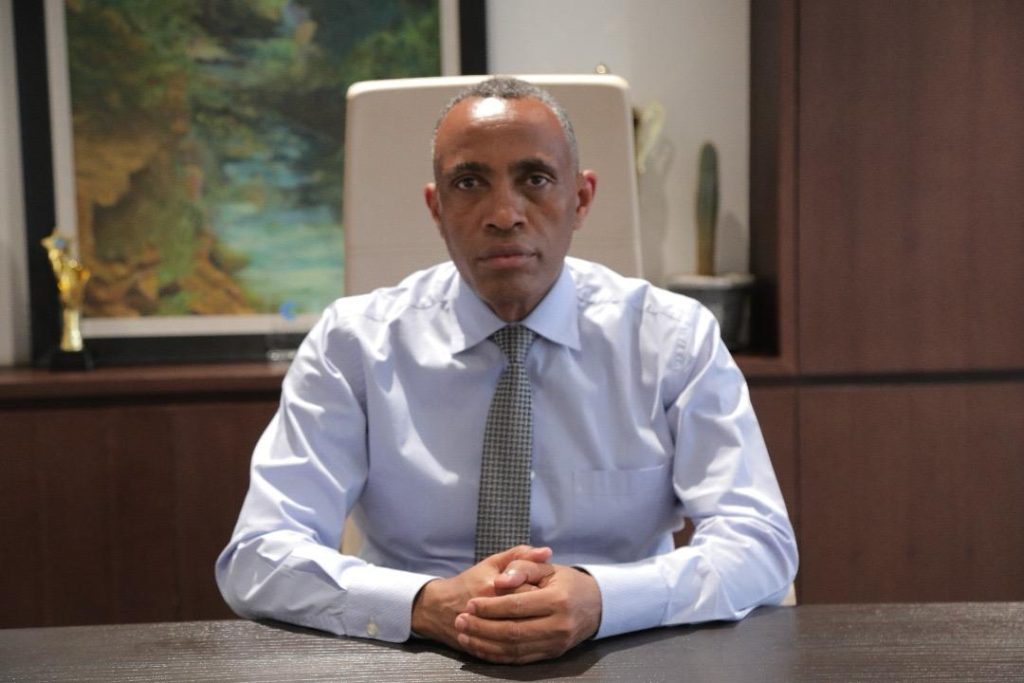
Eng. Wondimu Seta sits at the centre of Addis Ababa’s most ambitious urban transformation effort in decades. As City Manager of Addis Ababa with the rank of Deputy Mayor, he oversees municipal service delivery, major infrastructure programmes and the administration’s push to reshape the capital into a more functional, competitive and sustainable city.
A civil engineer by training, Wondimu brings more than two decades of experience spanning construction, urban development, housing, land administration and public-sector leadership. Before taking his current role, he served as State Minister for the Construction and Infrastructure Sector at the Ministry of Urban and Infrastructure, where he was involved in national-level urban and infrastructure policy. He previously led the Federal Urban Land and Property Registration and Information Agency and held senior executive roles in construction companies, including an international firm.
His career has taken him across both private and public institutions, giving him experience in project execution, contract management, institutional reform and municipal governance. That combination of engineering practice and public administration now places him at the forefront of Addis Ababa’s efforts to modernize its infrastructure, expand public services and reposition the city as a destination for investment, tourism and business.
Addis Ababa’s transformation has created visible change, and difficult questions. Birrmetrics’ Editor-in-Chief Mintesinot Nigussie questioned Wondimu on the choices behind corridor development, the challenge of balancing growth with inclusion and the city’s ambitions beyond diplomacy.
Birrmetrics: You’ve spent over a decade in Ethiopia’s construction sector, progressing from private sector roles to senior leadership at the federal level. How did that journey unfold, and what would you say is the one quality or principle that helped you navigate those different stages successfully?
Eng. Wondimu: My journey has been gradual, and every stage of my career has been a learning experience. I started from the technical side of the construction sector, where I learned that construction is not simply about implementing designs or completing projects. At its heart, it is about solving problems for communities and creating improvements that can positively affect people’s lives.
Over the years, I have had the opportunity to work in regional government, public enterprises, federal institutions, the private sector and now municipal administration. Each role gave me a different perspective.
My experience in the private sector, particularly with international companies, taught me the importance of efficiency, timely delivery and being results-oriented. It showed me that when people are committed to a goal, unnecessary barriers should not stand in the way of execution.
Working in public enterprises taught me the importance of accountability and taking responsibility for outcomes. My time at the federal level as a State Minister helped me understand policy-making, institutional coordination and how reforms are implemented.
But the value that has guided me throughout my career is integrity. Regardless of the position you hold, what matters is understanding the challenges of the institution you serve, working with others to find solutions and delivering results. Integrity builds trust, and trust is what enables people to work together effectively.
Another lesson I have learned is the importance of focus. Public service comes with many competing priorities, but success depends on staying focused on the responsibility you are given and delivering on it.
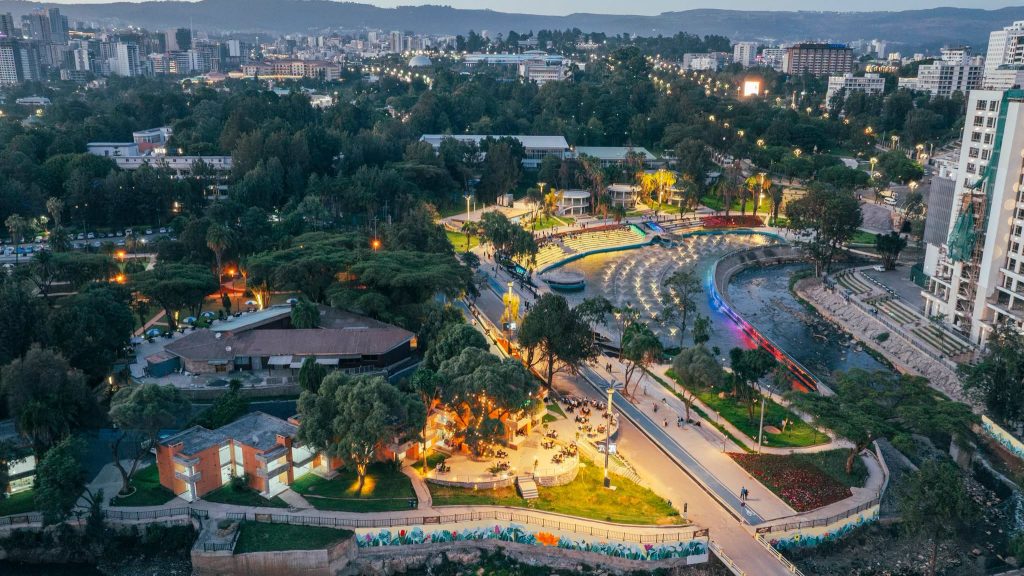
For decades, Addis Ababa has been recognized mainly as the seat of the African Union. Today, people increasingly associate it with international conferences, luxury hotels, corridor development, cultural events and global influencers. Is the city intentionally repositioning its global identity, and if so, tell me the motives behind it and its long term implications?
The transformation of Addis Ababa is a deliberate effort to reposition the city. That does not mean abandoning its historic identity. Addis Ababa remains Africa’s diplomatic capital, home to the African Union and numerous international organizations. It is one of the continent’s leading diplomatic centres, and that foundation remains central to our vision.
However, we believe Addis Ababa’s role should go beyond a diplomatic capital. Our ambition is to position the city as a leading destination for tourism, international conferences and investment.
To achieve this, the city must be attractive, safe, clean, modern and competitive. Today, cities compete globally, and in many cases people identify a country through its major city. Addis Ababa must therefore compete with other international cities that have advanced in attracting investment, visitors and global events.
Whether people come for diplomacy, business, conferences or tourism, they should experience a city that is welcoming and vibrant. We cannot attract the world with outdated approaches; we need to build a city that reflects confidence and modernity.
A vibrant city naturally attracts visitors, investors and global attention. That is why creating public spaces, improving safety, expanding attractions and developing a stronger hospitality sector are important parts of our transformation agenda.
Ethiopian Airlines gives Addis Ababa a unique advantage. As Africa’s largest airline, with an extensive international network, it connects the city to the world. The question is how we can transform Addis Ababa from simply being a transit point into a destination in its own right.
For many years, passengers passed through Bole International Airport without exploring the city. We see an opportunity to change that by developing attractions within Addis Ababa and positioning it as the gateway to Ethiopia.
The improvements made in recent years, including new tourism destinations and public spaces, are helping change the perception of the city. At the same time, the hospitality industry must continue expanding so Addis Ababa can accommodate more visitors and become a regional hub.
Every year, African leaders and delegates come to Addis Ababa for major continental meetings. We want them to leave with a positive impression of the city and see it as a capital capable of meeting global standards.
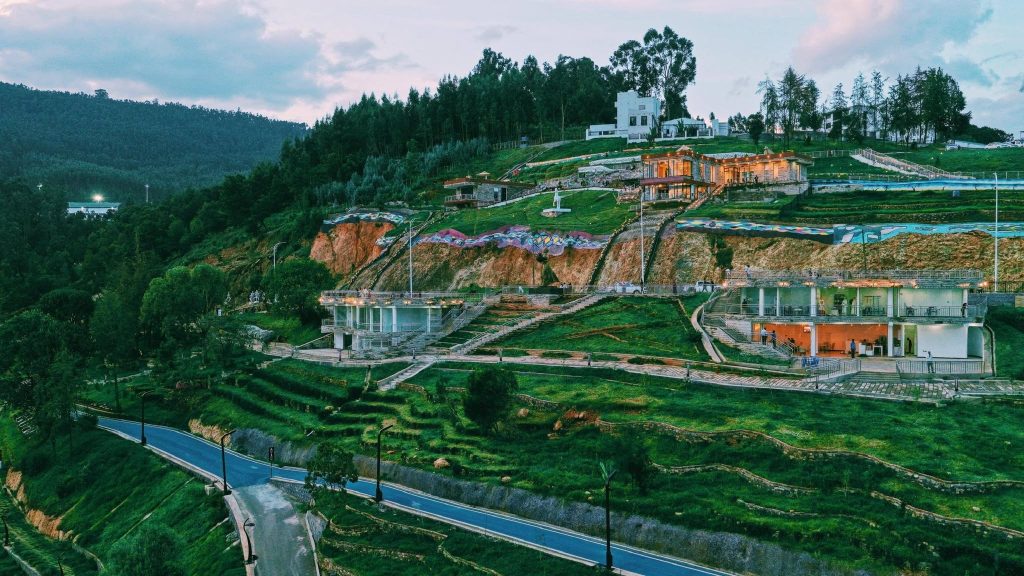
Ultimately, the transformation is not only about improving the city’s image. It is also about economic impact. Tourism creates opportunities for businesses, generates employment, strengthens the service sector and contributes to investor confidence. The additional revenue generated can then be reinvested into infrastructure and public services, supporting Ethiopia’s wider development goals.
International influencers and digital creators are increasingly showcasing Addis Ababa. Is the city deliberately using digital platforms as an economic development tool, or has this happened organically?
Today, many people around the world know cities such as New York, Paris, Shanghai or Rome without ever visiting them because of digital platforms. We cannot ignore the influence of that reality.
For many years, Ethiopia’s global image was often shaped by narratives of famine and humanitarian crises. Changing that perception requires a deliberate digital presence and a city that creates experiences people want to share.
Social media has become one of the most powerful tools for shaping how cities and countries are perceived. A single experience shared online can reach millions of people within a short period.
The growing interest from content creators visiting Addis Ababa reflects the changes taking place in the city. They are coming because they see something worth experiencing and sharing. This is not only about promotion; it is about creating a city that naturally attracts attention.
However, attracting visitors is only the beginning. We also have a responsibility to ensure they experience the best of Addis Ababa — its infrastructure, historical sites, culture, food and hospitality. A visitor’s experience ultimately shapes the story they share with the world.
Many creators, including You Tubers and social media personalities, come independently because they are looking for authentic stories. When they share positive experiences about the city, they encourage others to visit and explore Ethiopia.
Digital platforms are now part of economic development. A city’s reputation is no longer shaped only by official communications or traditional media; it is increasingly influenced by residents, visitors and content creators.
Our priority is therefore to build a city that people genuinely enjoy experiencing — one that is clean, safe, green and welcoming. When that foundation is in place, positive stories will follow naturally.
Improving Addis Ababa’s global visibility has economic benefits. It can support tourism, attract conferences, strengthen investor confidence, create opportunities for small businesses and expand the creative economy. The most credible way to change perceptions is to build a city that people want to share with the world.
Corridor development is one of the largest urban investments Addis Ababa has undertaken in recent years. What economic problem was the city trying to solve?
For many years, Addis Ababa faced major urban challenges. Residents often spent two to three hours a day in traffic, which represented a significant loss of productive time for individuals and businesses. The city also struggled with inadequate pedestrian infrastructure, unsafe walkways, poorly organized utility networks, insufficient street lighting and weak drainage systems.
Much of the city’s infrastructure was built decades ago based on the needs of an earlier period. As Addis Ababa expanded, those systems became insufficient to support the demands of a growing urban economy.
A modern city cannot function only during working hours and become inactive after sunset. Cities such as Dubai, Paris, London and New York remain active and secure throughout the day and night. In Addis Ababa, challenges related to safety, lighting and limited public spaces affected how people used the city.
The corridor development programme was designed to address these challenges by improving mobility, public spaces, infrastructure and the overall urban environment.
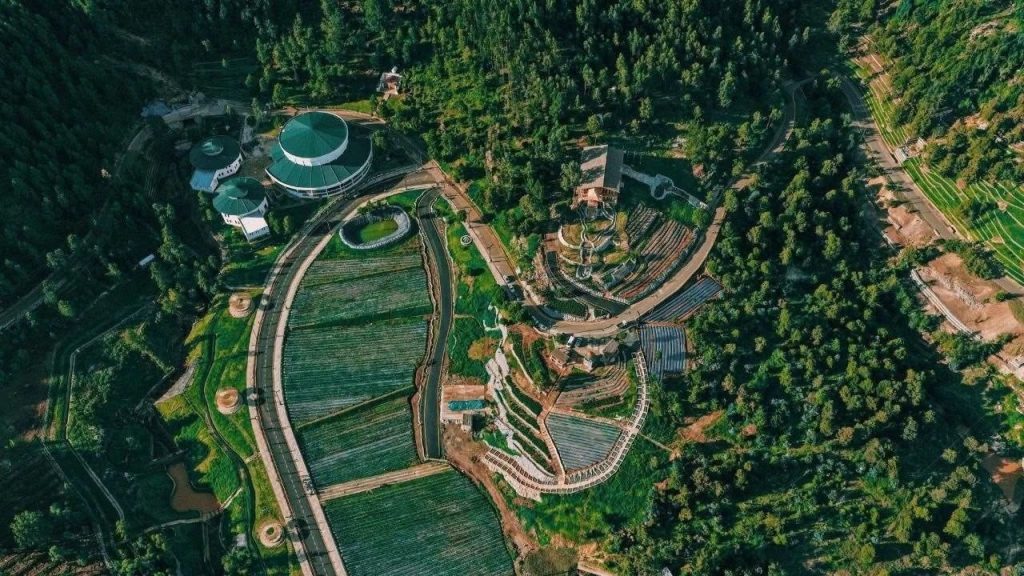
Before the programme, many public spaces were limited, poorly maintained or inaccessible. Areas that could have served as community assets had often become neglected spaces. Projects such as the Entoto development demonstrated the potential of creating more accessible urban destinations.
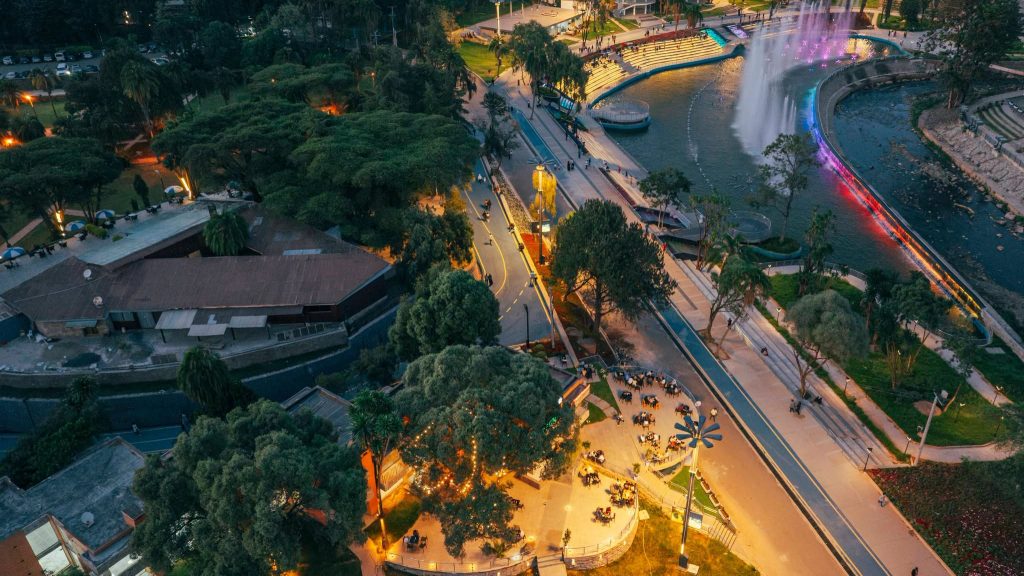
Through corridor development, the city has expanded pedestrian walkways, upgraded roads, improved lighting, organized utility infrastructure and strengthened drainage systems. Riverbanks that were previously affected by flooding, sanitation problems and safety concerns have also been rehabilitated.
The programme has also had economic effects. During the first year of implementation, construction activities created more than 150,000 direct jobs, benefiting contractors, suppliers and workers. Improved mobility has also helped reduce the economic cost of congestion by allowing people to spend less time travelling and more time engaged in productive activities.
Businesses along the corridors have benefited from improved surroundings, greater visibility and easier customer access. Commercial areas that previously lacked infrastructure have attracted more activity, while improved public spaces have created new opportunities for recreation and nearby businesses.
Environmental improvements are another important part of the programme. Expanding green areas and rehabilitating open spaces helps improve urban conditions, strengthen climate resilience and create a healthier environment for residents.
Ultimately, corridor development is not only about improving the appearance of the city. It is about building an urban environment that can support investment, tourism, business activity and long-term economic growth.
The city’s growing budget capacity reflects this economic expansion. Addis Ababa’s budget has increased from around 51 billion birr five years ago to 350 billion birr in the current fiscal year. The approved budget for the next fiscal year stands at 502.2 billion birr, representing an increase of about 48 percent.
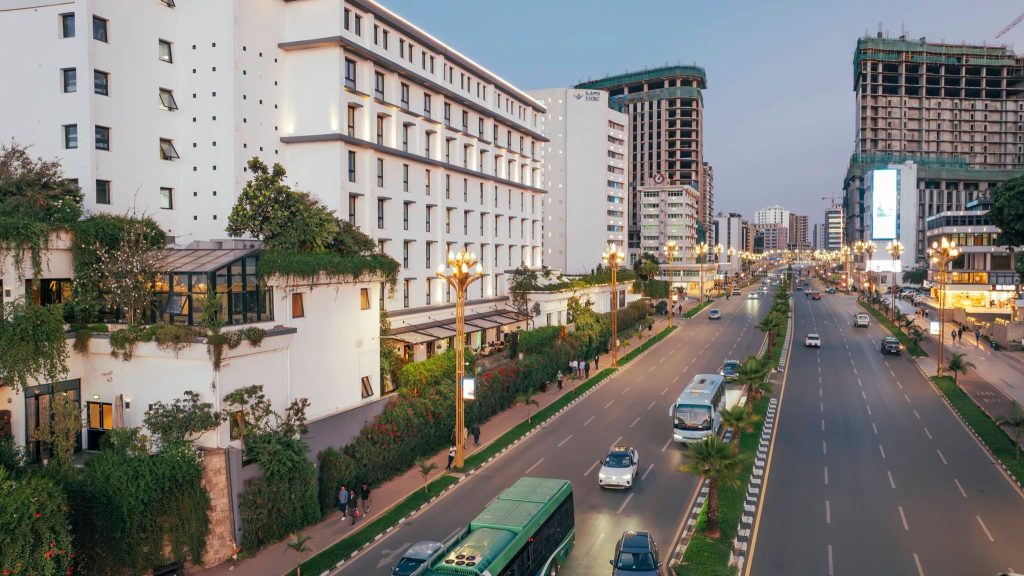
You said corridor development has increased business visibility and raised property values. But for many small businesses, higher property values also mean higher rents and greater financial pressure. How do you balance those competing effects?
Improved infrastructure can increase property values and strengthen the city’s economic base. At the same time, we recognize that higher values may create affordability pressures for tenants and small businesses. These effects must therefore be managed carefully through appropriate support, affordable commercial spaces and continued follow-up.
Rising property values are generally a positive outcome because they reflect improvements in the urban environment and create value for communities. However, we recognize that higher values can also create pressure on small businesses, so the transition needs to be managed carefully.
Our intention has never been to push small businesses out of Addis Ababa. These businesses support thousands of families and are an important part of the city’s economy. Our goal is to help them operate in safer, more organized and more productive environments.
Before corridor development, many small businesses operated under difficult conditions. Shops were often temporary structures with limited visibility, poor lighting and restricted access. Traffic congestion and a lack of parking also affected customer movement.
By improving infrastructure, we believe the program has created a stronger business environment in many corridor areas. Businesses can benefit from improved accessibility, better surroundings and greater visibility; although we recognize that the scale and timing of these benefits may differ from one location and business to another.
At the same time, we understand that relocation has been challenging for some businesses. That is why the city has focused not only on redevelopment but also on creating new commercial spaces. Through corridor development, we have constructed more than 5,000 standardized shops, many of which were built on plots that were not suitable for larger developments. These spaces were provided at affordable rates to businesses previously operating in those areas.
For example, Arat Kilo has long been known for its optical businesses. While some operators had to leave their previous premises during redevelopment, they were relocated within the same area and provided with improved spaces to continue their businesses.
The same approach has been applied in areas such as Piassa, Kazanchis, Abuare and Goro, where affected businesses have been integrated into newly developed commercial facilities, including retail spaces within transport terminals.
The objective has not been to replace local businesses with larger commercial operators. It has been to create better conditions for existing businesses to survive, grow and contribute to the city’s economy.
When people discuss corridor development, they often focus on the structures that were removed. It is also important to recognize the commercial opportunities created through the programme. Many affected businesses have moved into safer, more organized and more sustainable spaces, while some have experienced disruption, adjustment difficulties or changes in customer access that require continued support and follow-up.
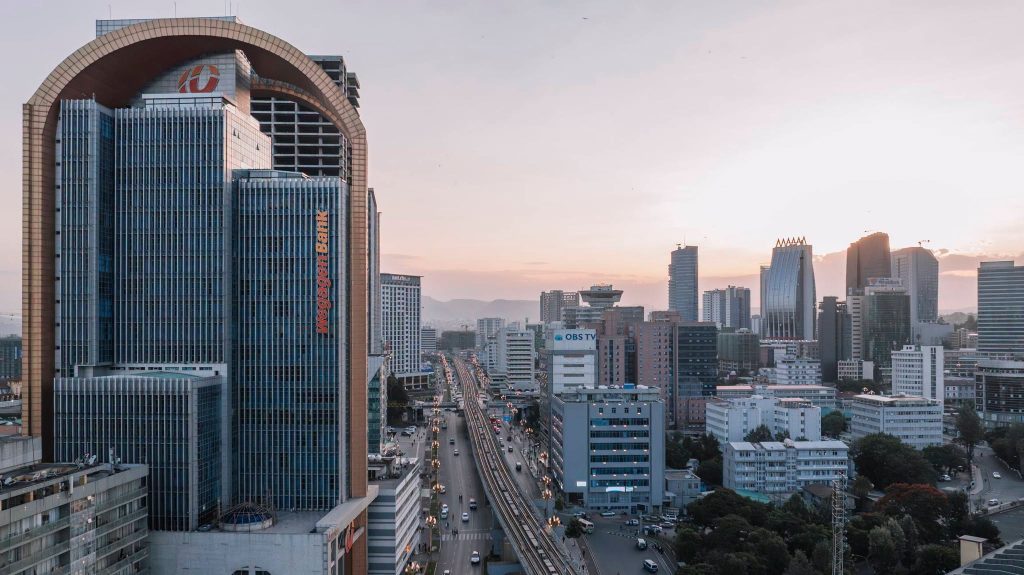
Critics argue that redevelopment has changed communities without residents’ voices being fully heard. What is your response to these concerns, and how are you ensuring that affected residents have a meaningful say in the process and receive fair compensation?
We do not see corridor development as only an engineering project. It is also a social and economic programme. Building roads, drainage systems and public spaces is important, but the ultimate goal is to improve the lives of the people who live in the city.
We recognise that relocation affects people who have businesses, memories and social networks in their neighbourhoods. That is why we have tried to manage the process carefully and preserve community connections.
Some have argued that residents were relocated without adequate compensation or that their social fabric was disrupted. We take such concerns seriously and recognize that experiences may differ from one household or location to another. At the same time, many houses in the affected areas were in very poor condition. In some areas, a large proportion of the housing stock consisted of ageing Kebele houses that lacked basic infrastructure, including proper sanitation, drainage and access for emergency services.
Many residents were living in conditions that were not suitable for a modern city. Some houses lacked private toilets and showers, while others had severe structural limitations.
The important question is not only whether people were relocated, but where they were relocated to and what conditions they now have. Our approach was to keep communities together wherever possible. Residents from the same areas were moved together to locations such as Gelan Gura, Lafto Electric Power and Bole Arabsa rather than being scattered across the city.
The new settlements are intended to provide significantly improved living conditions, including roads, schools, playgrounds, sanitation facilities and other basic services. In areas such as GelanGura, we have also introduced economic support programmes, including opportunities for vulnerable women to participate in school feeding and local food supply activities. We recognise, however, that the timely completion and consistent quality of supporting services require continued monitoring and corrective action.
For property owners, compensation follows the country’s existing land tenure system. Land is owned by the state and the people, while compensation is provided for properties and improvements made on the land. The value is determined through assessment rather than arbitrary decisions.
Even those who were not directly part of the relocation process but were living in informal shelters within the development areas, in structures made from corrugated iron sheets, canvas or other temporary materials, were provided with alternative accommodation rather than being left without shelter.
Urban transformation involves difficult decisions. A growing city must respond to changing population, infrastructure and service demands, but that transformation must be implemented lawfully, responsibly and with respect for affected communities. Our objective has been to ensure that relocation results in improved living conditions rather than a decline in people’s quality of life.
The process has not been without challenges. In some locations, the pace of redevelopment and the completion of supporting infrastructure have not progressed at the same speed. The city’s policy is to provide housing with the basic requirements for safe and dignified living. Where infrastructure, services or finishing works remain incomplete, the responsible institutions are areaddressing them promptly through continued monitoring, corrective action and engagement with affected residents.
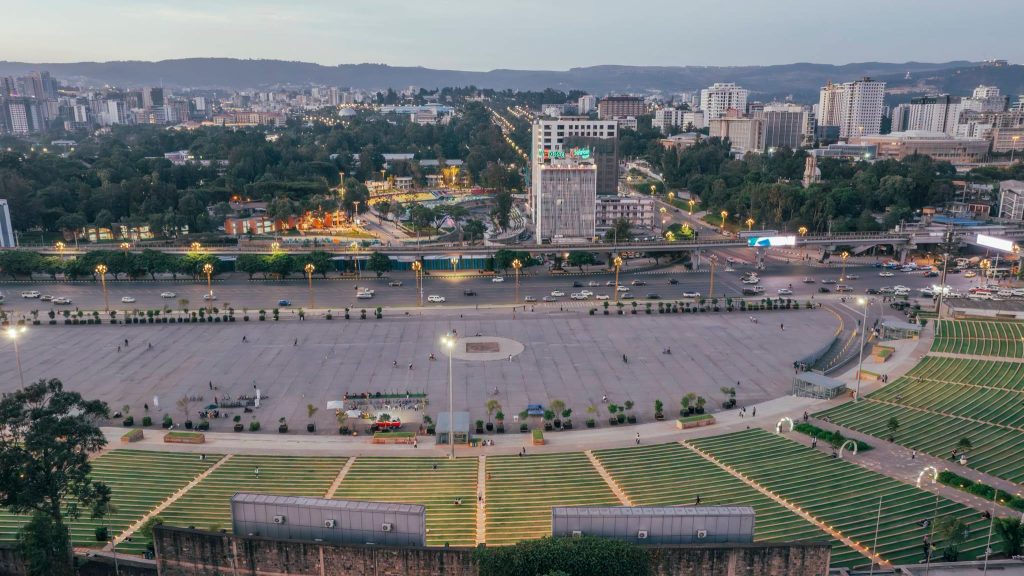
The current structural master plan is approaching the end of its legal life after a decade of implementation. As you’re working on the next, what makes the upcoming structural master plan fundamentally different from the one that expires next year?
The current structural plan reaches the end of its statutory 10-year period at the end of the 2019 Ethiopian fiscal year. Although structural plans are reviewed periodically, including a revision about 18 months ago to incorporate corridor development, river protection, environmental safeguards and setback requirements, it was designed under very different circumstances.
One of its main objectives was to transform Addis Ababa into a polycentric city by creating multiple urban centres rather than concentrating activity in one commercial core. Today, areas such as Bethel, French Legacy and the Fiyel Bet–Pepsi corridor have developed into important service and business centres, helping distribute economic activity more evenly across the city.
Before preparing the next structural plan, we are conducting an independent assessment of the current one. We need to understand what was implemented successfully, where gaps remain and whether the plan achieved its intended social, economic and environmental outcomes. Those lessons will guide the next phase of planning.
The new structural plan will reflect realities that were not part of the previous framework. Concepts such as corridor development, large-scale public spaces and integrated river restoration have now become central to the city’s transformation agenda.
The plan will also be aligned with Addis Ababa’s long-term development vision for 2045 and 2050, translating that ambition into a clear spatial strategy.
Several priorities will define the new plan. Climate resilience and environmental sustainability will become central considerations as cities increasingly compete globally. Addis Ababa must become more resilient, inclusive and competitive.
The city will also need to become more compact. With limited room for outward expansion due to its fixed administrative boundaries and the surrounding development of Sheger City, future growth will depend on using existing urban space more efficiently.
The next plan will also take a metropolitan approach, recognising that Addis Ababa’s growth is closely connected with neighbouring jurisdictions. Greater coordination will therefore be necessary while respecting existing administrative responsibilities.
Finally, the plan will better integrate land use, housing and mobility. The goal is to reduce long commuting distances by bringing homes, jobs and services closer together while ensuring infrastructure can expand efficiently. New setback requirements will also help reserve space for critical infrastructure, including drainage systems, underground utilities and road networks.
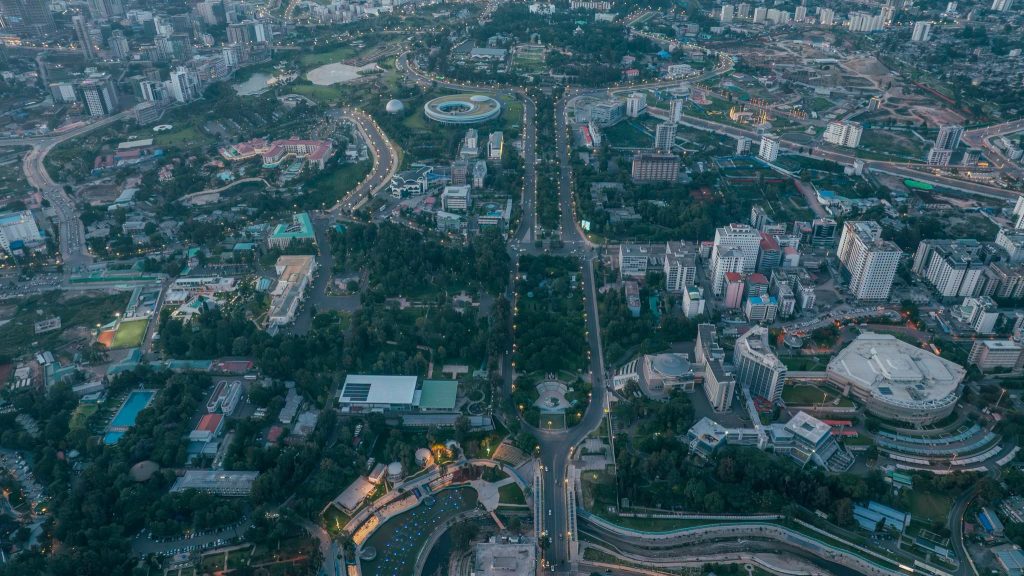
As the new fiscal year begins, What are the Addis Ababa City Administration’s top priorities for 2026/27 FY?
Our overriding priority is to ensure that the lives of Addis Ababa’s residents continue to improve while sustaining the urban transformation already under way. All our investments must support long-term development and sustainability.
The first priority is building a stable urban economy. Addis Ababa is Ethiopia’s economic centre, contributing significantly to national economic activity. Ensuring a strong and stable economy in the capital is therefore important not only for the city but for the country as a whole.
A key part of this is addressing the cost of living by improving the supply side of the economy. This requires strengthening supply chains, expanding employment opportunities and creating a better environment for micro and small enterprises. Our focus is to create more economic opportunities, particularly for young people, and improve livelihoods across the city.
Infrastructure development will remain another major focus. We will continue investing in new infrastructure while improving maintenance and management of existing assets. The goal is to create a sustainable system where investments in roads, water supply and other public infrastructure continue delivering value over the long term.
As we position Addis Ababa as a destination for tourism, conferences and investment, the city must also become cleaner, greener and more attractive. We will strengthen waste management, promote environmental sustainability, expand green spaces and improve areas that have not yet benefited from urban development programmes. Better traffic management and public transport systems will also remain priorities.
Housing is another critical area. While the federal government’s plan to build 1.5 million housing units will largely focus on Addis Ababa, the city administration will continue expanding its own housing programmes. We also aim to mobilise private developers, housing associations, public-private partnerships and other stakeholders to increase housing supply.
The objective is not only to increase home ownership but to expand the overall housing stock, improving access for both owners and renters. Greater attention will also be given to social housing for low-income residents and those living in underserved areas.
Improving public services and governance will also be central. We will continue expanding the Mesob one-stop service platform by integrating more municipal services and linking them with digital systems such as Ethiopia’s Fayda identification platform. Digitalisation will help make services more efficient, improve transparency and create a more predictable environment for residents and businesses.
Social protection will remain another priority, including expanding feeding programmes, supporting school meal initiatives, providing educational materials and investing in education infrastructure.
Maintaining peace and security is equally essential. Without a safe environment, the city cannot attract tourists, investors or provide residents with confidence in their daily lives.
To sustain these priorities, we must strengthen the city’s financial capacity by expanding the tax base, improving revenue collection and ensuring public resources are invested effectively.
Ultimately, our goal is to build an Addis Ababa that is more affordable, productive, clean, secure and resilient. In the coming fiscal year, we will focus on consolidating the progress achieved while addressing remaining challenges to improve the quality of life for residents.