
AMN PLUS-June 9, 2026
The Ministry of Finance today convened a high-level staff consultation, bringing together senior leadership and core technical teams to deliberate on emerging global financing trends and Ethiopia’s evolving development finance priorities, in line with the Home-Grown Economic Reform agenda and medium-term development objectives.
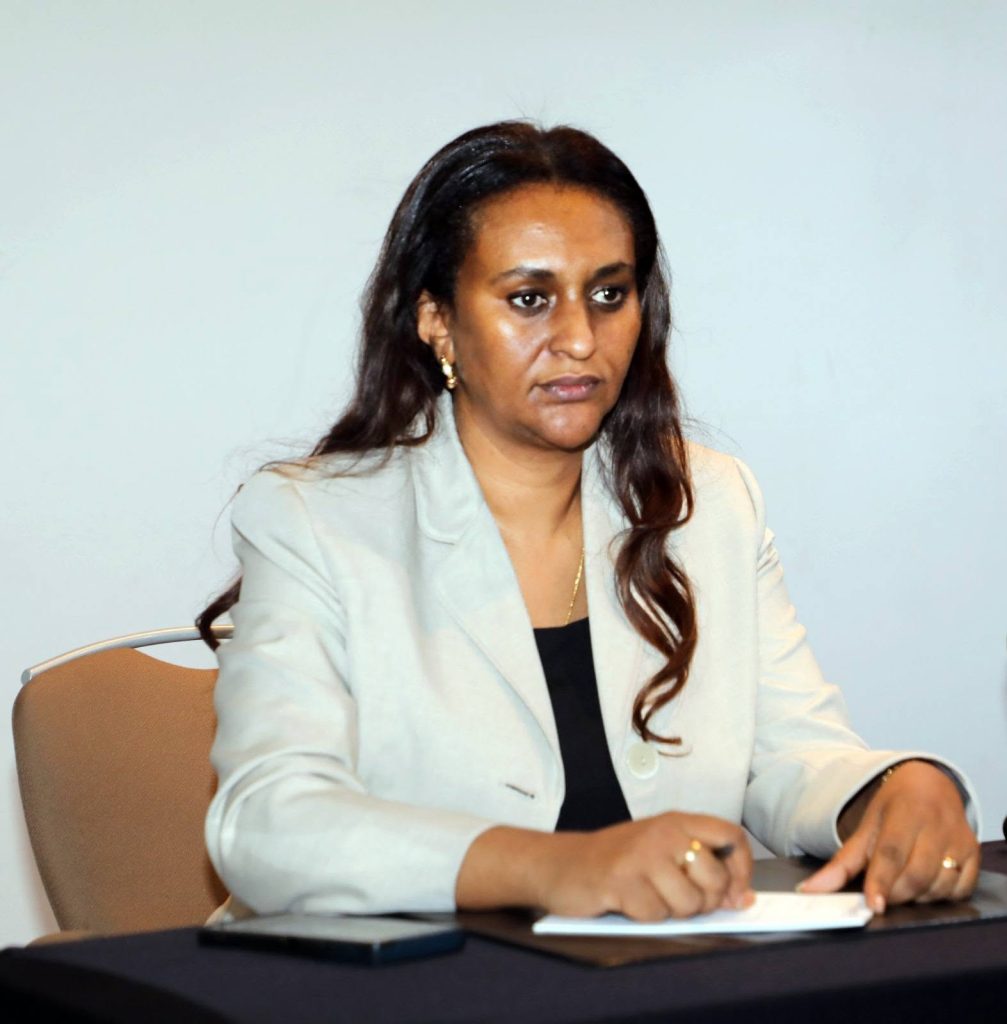
The session was chaired by H.E. Semereta Sewasew and focused on strengthening institutional understanding of catalytic development finance, deepening investment mobilization frameworks, and enhancing coordination across domestic and external financing channels.
In her opening remarks, the State Minister emphasized that the global development finance landscape is undergoing a structural transformation, creating new opportunities for countries to adopt more diversified, investment-driven, and catalytic financing approaches. She underscored that Ethiopia’s response must remain firmly anchored in the Home-Grown Economic Reform agenda, with continued emphasis on macroeconomic stability, productivity enhancement, and competitiveness.
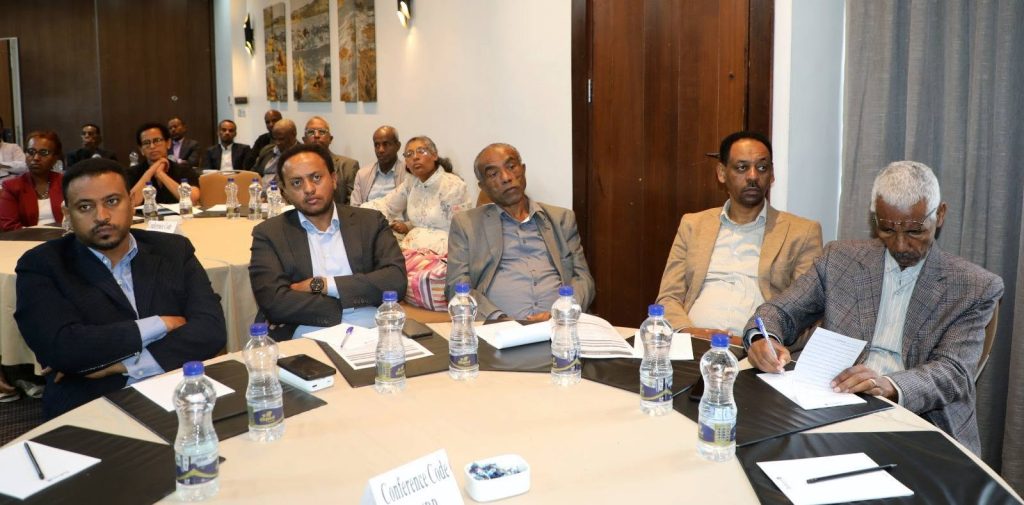
She also highlighted that domestic revenue mobilization remains the foundation of sustainable development financing, reinforcing fiscal sovereignty and strengthening the country’s capacity to finance priority investments. Efforts to broaden the tax base, improve compliance, and enhance revenue administration were acknowledged in bringing tangible results.
The State Minister further stressed the importance of strengthening debt management frameworks, including prudent borrowing practices, improved transparency, and prioritization of financing that directly supports productive investment and long-term economic transformation.
In line with emerging global financing opportunities, she emphasized the importance of leveraging capital markets, sovereign wealth funds, and pension fund guarantees to mobilize long-term private sector capital. She also highlighted the scaling up of blended finance instruments, designed to de-risk investments and crowd in institutional and private sector participation.
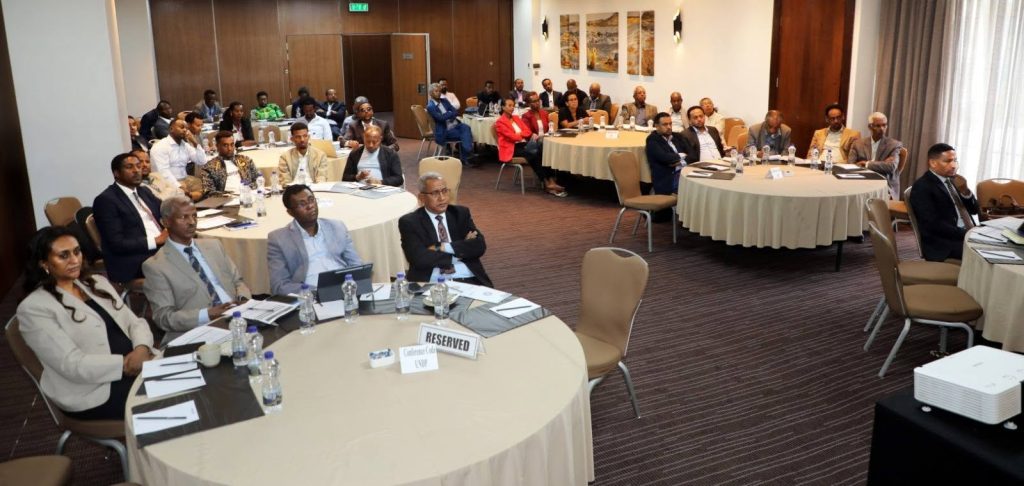
The consultation underscored the need to strengthen a structured and bankable project pipelines, ensuring a steady flow of investment-ready projects that can attract both domestic and international financing. Particular emphasis was placed on improving project preparation capacity, including feasibility analysis, financial structuring.
The meeting emphasized the need to improve emergency and contingency fund mobilization to boost resilience against climate shocks, economic volatility, and unforeseen fiscal pressures. It reviewed global financing trends and the importance of adapting national strategies to a changing external environment.
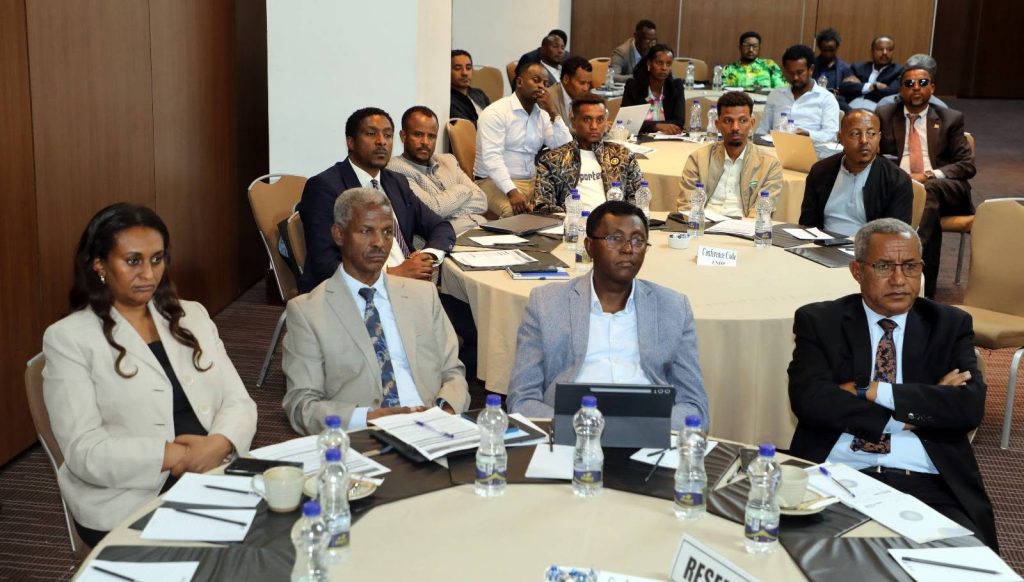
Participants also discussed Ethiopia’s Home-Grown Economic Reform, INFF, and Sustainability Financing Frameworks, highlighting their role in aligning domestic resources, external funding, and private capital within a sustainable and resilient national financing system.
The inclusion of the Sustainability Framework reflects Ethiopia’s commitment to integrating environmental, social, and economic sustainability into development efforts.
A technical briefing on the Foreign Relations Integrated Management Manual outlined procedures to enhance coordination, communication, and accountability in Ethiopia’s international engagements and partnerships, according to the Ministry of Finance of Ethiopia.